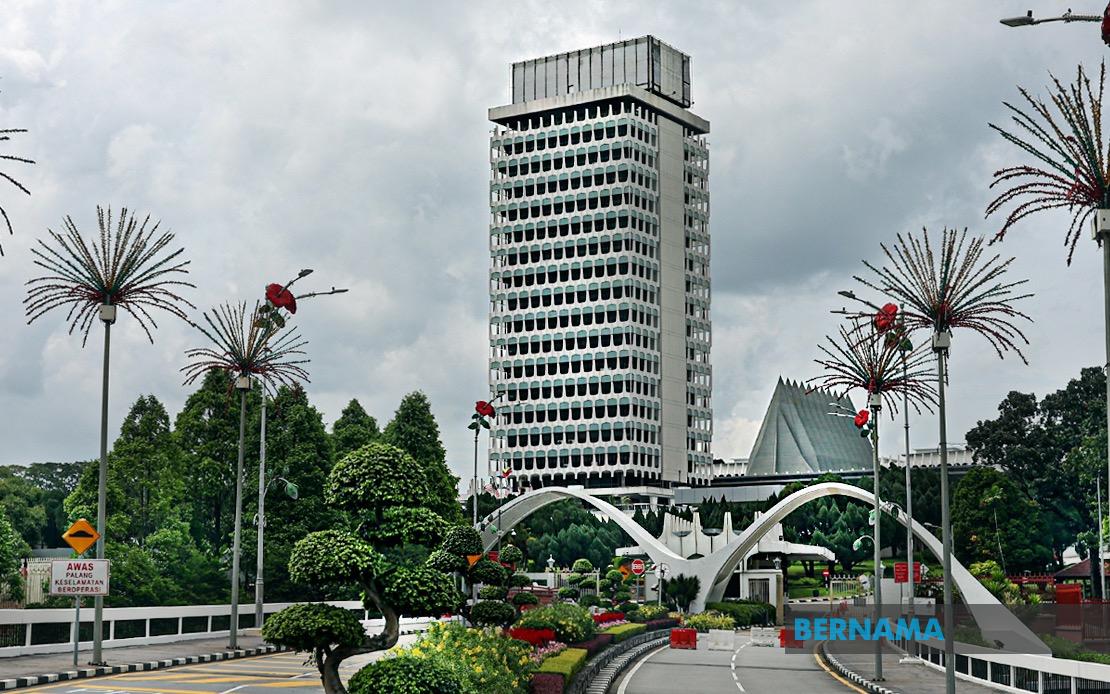
The parliamentary calendar has moved at a measured pace as lawmakers concluded their first week of sittings, with Transport Minister Anthony Loke securing passage of the Road Transport (Amendment) Bill 2026, the session's sole legislative achievement so far. The measure represents a focused effort to strengthen Malaysia's response to one of the nation's persistent urban safety challenges: the persistent problem of illegal high-speed racing on public roads and highways.
The centrepiece of Loke's amendment introduces a new provision, Section 42A, that fundamentally shifts how enforcement agencies can respond to dangerous driving behaviour. Previously, police and traffic authorities faced a significant handicap: they could only take action against illegal racing after an accident had occurred, or when tangible harm had resulted. This reactive framework created what officials termed a legal loophole that effectively shielded street racers from preventive intervention. The amendment now permits law enforcement to intervene and pursue charges based on the dangerous nature of the activity itself, regardless of whether actual injury or fatality has materialised. This doctrinal shift moves Malaysia's legal framework from consequence-based enforcement to behaviour-based policing, a significant modernisation that addresses safety concerns many Malaysian drivers have raised for years.
Looking beyond this current legislative success, Loke flagged that his ministry intends to introduce a complementary amendment later in 2026 that would establish a compensation mechanism for victims of accidents caused by drivers impaired by alcohol or drugs. This prospective measure would supplement existing criminal penalties—fines and imprisonment—by creating a dedicated avenue for civil redress. Such a development would bring Malaysia into closer alignment with victim-protection frameworks operating in other developed economies and would signal a policy commitment to addressing not only deterrence but also remedial justice for accident survivors and bereaved families.
However, not all planned legislative work proceeded smoothly. The Prison (Amendment) Bill 2026, which encompassed provisions for electronic monitoring of inmates and frameworks governing volunteer-led prisoner rehabilitation initiatives, was deferred back to the Parliamentary Select Committee for deeper examination. This procedural pause suggests that either technical refinements or broader questions about implementation remain unresolved—a reminder that even seemingly routine administrative measures can benefit from extended deliberation when they touch on sensitive institutional matters such as incarceration and rehabilitation.
Parliament's agenda for the remainder of the sitting, which extends through July 16, encompasses several additional pieces of legislation at various stages. Four bills received their inaugural parliamentary reading: the Sexual Offences Against Children (Amendment) Act 2026, designed to strengthen protections for vulnerable minors; the Competition (Amendment) Bill 2026 and its companion Competition Commission (Amendment) Bill 2026, both aimed at refining Malaysia's competition framework; and the Cybercrime Act 2026, which would supersede the Computer Crimes Act 1997 and modernise the nation's digital security provisions. This array signals a governing agenda that brackets traditional safety concerns alongside emerging technological and economic governance challenges.
Beyond legislative activity, parliamentary business this week reflected several administrative and institutional matters. Dewan Rakyat Speaker Tan Sri Johari Abdul announced the reinstatement of Larut MP Datuk Seri Hamzah Zainudin as opposition leader, effective June 18, restoring clarity to the formal parliamentary leadership structure. Separately, the Speaker confirmed that two parliamentary seats—Pandan and Setiawangsa—have fallen vacant following the simultaneous resignations of Datuk Seri Rafizi Ramli and Nik Nazmi Nik Ahmad on May 18. The Election Commission has been formally notified, initiating the constitutional machinery for eventual by-elections. These institutional adjustments, though routine in procedural terms, reshape the parliamentary opposition's personnel and may influence the dynamics of legislative scrutiny in coming months.
Minister's Question Time, traditionally an opportunity for parliamentarians to challenge the Prime Minister on government policy, operated differently than usual during this opening week. Datuk Seri Anwar Ibrahim, occupied with external commitments, delegated parliamentary questioning to his cabinet colleagues, a pragmatic accommodation that underscores the competing demands placed on senior government figures managing both legislative and executive responsibilities simultaneously. Simultaneously, parliamentary select committees were afforded floor time to present and debate their investigative reports, reflecting ongoing efforts to amplify these committees' profile and assert their independence within the legislative structure—a welcome development for advocates of parliamentary accountability.
Economic concerns dominated much of the week's debate. Human Resources Minister Datuk Seri R. Ramanan disclosed that 42,807 workers faced retrenchment between January and June 12, with company restructuring and closures identified as the primary drivers. Yet Economy Minister Akmal Nasrullah Mohd Nasir offered a more encouraging tableau, noting that job losses actually declined by 20 percent in June compared to May, and that the labour force participation rate held steady at 70.9 percent. These contradictory signals—raw retrenchment numbers against improving monthly trends—illustrate the complexity of Malaysia's labour market as it navigates post-pandemic recovery and structural shifts in global manufacturing.
Government spending priorities also featured prominently. Home Minister Datuk Seri Saifuddin Nasution Ismail announced that RM22 million has been approved to bolster the Malaysia Border Control and Protection Agency with firearms and supporting infrastructure—a capital investment reflecting security concerns along the nation's extensive maritime and land frontiers. The amount, while substantial, underscores the resource constraints facing border agencies tasked with managing migration, smuggling, and potential security threats across dispersed boundaries.
Energy and digital governance likewise commanded attention. The Ministry of Plantation and Commodities indicated it will assess the feasibility of deploying B50 biodiesel—a blend containing 50 percent biofuel—though existing fuel depots would require significant capital expenditure to accommodate such transitions, a practical constraint that tempers enthusiasm for rapid renewable energy adoption. Communications Minister Datuk Fahmi Fadzil highlighted the entry into force of age-verification requirements for social media platforms under the Child Protection Code and Risk Mitigation Code, effective June 1. Non-compliant platforms face penalties reaching RM10 million under the Online Safety Act 2025, a enforcement provision that indicates Malaysia's determination to regulate the digital realm despite technical and jurisdictional complexities inherent in regulating global technology companies.
The opening week's modest legislative harvest—one bill passed amid numerous policy discussions—reflects a parliament engaged in deliberation rather than rubber-stamping. For Malaysian observers and regional commentators monitoring Southeast Asia's democratic institutions, the balance between expedited legislation and careful committee review offers a template for legislatures seeking to enhance both efficiency and accountability. With five weeks remaining in the current sitting, the pace of legislative output will likely accelerate as bills advance through subsequent readings, though the referral of the prison amendment to committee signals that comprehensive scrutiny remains a priority even for measures with narrower public salience.

