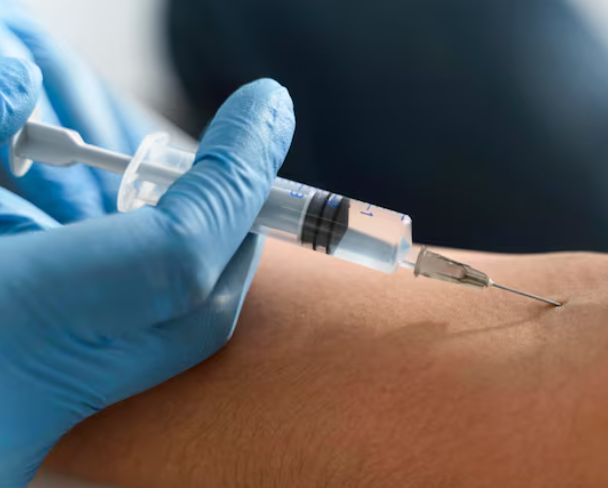
A 32-year-old nurse employed at a private hospital in Telangana's Nizamabad district faces serious charges after allegedly administering a lethal injection to her husband through an intravenous line. The accused, identified as Sandhya, is suspected of killing her 35-year-old spouse Dayini Prashanth on June 30 by introducing a toxic mixture of toilet cleaning liquid and crushed sedatives directly into his bloodstream via a cannula. The death came just days after Prashanth had survived an earlier, more violent attempt on his life, raising questions about how such a crime could occur in a medical setting and the role of professional medical knowledge in committing it.
Prashanth had recently returned to India on June 27 after working in the Gulf region for two years, a development that reportedly triggered the sequence of events leading to his death. According to police investigations, Sandhya viewed her husband's permanent return as an obstacle to her extramarital relationship with a man named Anil, 35. Rather than seek separation or divorce, she allegedly conspired with Anil and his associate Venkat Sai, also known as Bunty, to eliminate her husband entirely. This decision to resort to murder rather than legal remedies suggests deep premeditation and a deliberate rejection of conventional solutions to marital discord.
The investigation that ultimately led to Sandhya's arrest commenced only after Prashanth's mother, living in a separate residence, filed a formal complaint expressing her suspicions about the cause of her son's death. The mother's intervention proved crucial; without her willingness to question the official narrative surrounding the death, it is unlikely the crime would have been uncovered. Her persistence in pursuing the matter despite social and familial pressures demonstrates the vital role that family members sometimes play in exposing crimes that might otherwise be attributed to natural causes or accidents.
The first murder attempt occurred on June 29, when Sai visited the family home and plied Prashanth with large quantities of alcohol before escorting him to the building's terrace. Following Sandhya's telephoned instructions, Sai pushed Prashanth from the rooftop, resulting in severe injuries. Remarkably, the victim survived this brutal attack. Sandhya then moved swiftly to control the narrative, convincing her injured husband that he had simply fallen accidentally while intoxicated. She orchestrated his admission to a government hospital for initial treatment before having him transferred to a private facility and eventually brought home, all while maintaining the facade of a concerned spouse.
The fact that Prashanth's home recovery fell under Sandhya's direct supervision proved fatal. Leveraging her professional background as a trained nurse, she decided to administer intravenous fluids at home—a decision that positioned her perfectly to carry out the final stage of the murder plot. On June 30, she injected her toxic concoction of toilet cleaner mixed with crushed sleeping pills directly into the IV line, then further assaulted her husband by pushing him from a cot. The combination of chemical poisoning and physical trauma proved lethal. Prashanth died, and his widow immediately began working to attribute his death to complications from his earlier fall, hoping the narrative she had already established would suffice to deflect suspicion.
The misuse of medical access and nursing expertise in this case raises serious concerns about institutional safeguards in healthcare settings. Sandhya's ability to administer substances through a cannula—a procedure typically requiring proper authorization and documentation in hospitals—highlights potential gaps in oversight and accountability. Her nursing credentials, intended to help and heal, became tools of murder. This inversion of professional responsibility underscores the importance of rigorous checks and balances in healthcare environments, particularly when patients are vulnerable or recovering from trauma.
The crime also reflects broader societal challenges surrounding marital relationships and dispute resolution in India. Rather than pursuing legal separation or counseling, the accused opted for premeditated murder, suggesting either desperation, psychological instability, or a calculated assessment that divorce would be socially unacceptable or financially disadvantageous. The involvement of two other individuals—Anil and Sai—indicates that this was not an impulsive act but a coordinated conspiracy involving multiple parties with their own motivations and culpability.
For Malaysian readers, this case offers sobering lessons about the potential dangers lurking within intimate relationships and professional settings. While India's healthcare and law enforcement systems differ from Malaysia's, the fundamental vulnerability of patients under care—particularly in home settings—transcends borders. The case demonstrates how professional credentials and access to medical equipment can be weaponized by individuals with criminal intent. It also underscores the critical importance of family vigilance and the willingness of relatives to question suspicious deaths, even when authorities might be inclined to accept simpler explanations.
The investigation and Sandhya's arrest represent a victory for persistent inquiry and maternal concern overcoming institutional inertia. Police officials in Telangana were able to reconstruct the sequence of events through interviews and interrogation, uncovering the failed rooftop attempt and subsequent poisoning plot. The case will likely result in serious charges including murder and conspiracy. As the legal proceedings unfold, it will also serve as a cautionary tale about the necessity of comprehensive background checks, mental health screening, and ethical training in healthcare professions. The incident reminds us that access to vulnerable individuals and medical instruments demands not only professional qualification but also rigorous character assessment and ongoing institutional oversight.

