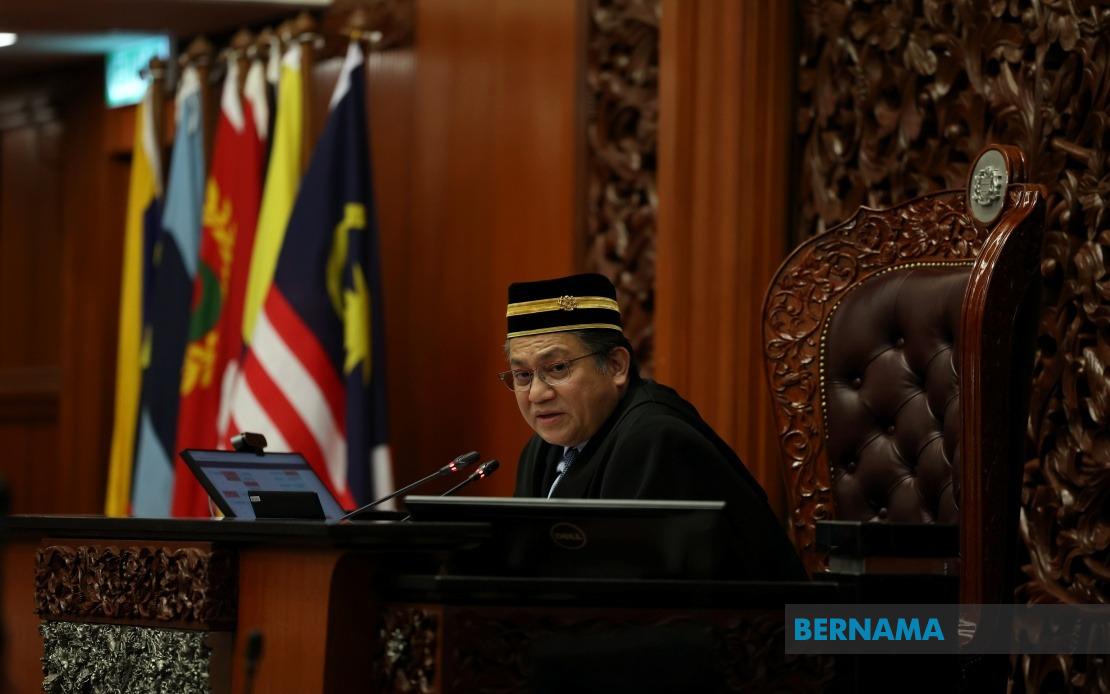
The Malaysian Senate has confirmed Senator Datuk Nur Jazlan Mohamed in his role as Deputy Speaker of the Dewan Negara for a second term, representing a continuation of parliamentary leadership during a period of institutional consolidation under the current administration. Higher Education Minister Datuk Seri Zambry Abd Kadir formally submitted the sole nomination on behalf of Prime Minister Datuk Seri Anwar Ibrahim on July 20, marking an uncontested reappointment that reflects political consensus around Nur Jazlan's stewardship of the upper chamber.
Nur Jazlan's reappointment by His Majesty the Yang di-Pertuan Agong grants him a three-year tenure spanning from June 15 2026 to June 14 2029, establishing continuity in the Senate's administrative apparatus as Malaysia navigates complex legislative priorities. The senator was simultaneously sworn in alongside fellow legislator Mussodak Ahmad, who was also reappointed for a second Senate term through the Kedah State Legislative Assembly, securing his own three-year mandate from March 20 2026 to March 19 2029.
At 60 years old, Nur Jazlan brings substantial parliamentary experience to the Deputy Speaker's office, having occupied the position since June 2023 following his initial appointment. His political trajectory reflects the senior ranks of the ruling coalition, as he currently serves on the UMNO Supreme Council and maintains his position as Pulai Division UMNO chief. This blend of party leadership and parliamentary responsibilities underscores the interconnected nature of executive and legislative roles within Malaysia's political system, where senior appointments often consolidate authority across multiple institutional domains.
Prior to his Senate career, Nur Jazlan held the rank of Deputy Home Minister from 2015 to 2018, providing him with experience in one of the government's most sensitive portfolios. His parliamentary representation of Pulai from 2004 to 2018 established him as a longstanding legislator with over a decade of direct constituency engagement, a period that encompassed significant shifts in Malaysia's political landscape and governance structures. This extensive background positions him as a stabilizing figure within the Senate during periods of legislative scrutiny and policy debate.
Mussodak Ahmad, the other reappointed senator, operates within PAS's organizational structure as the Kedah party secretary, reflecting the coalition dynamics that govern upper chamber composition in Malaysia. His earlier contests for the Bayu and Guar Chempedak state seats demonstrate his engagement in competitive electoral politics before his transition to the appointed Senate in March 2023. The parallel reappointment of both senators suggests a deliberate strategy to maintain experienced legislators in senior positions as the Parliament enters its Fifth Term.
The reappointments occur within a broader parliamentary calendar that mandates a 10-day Senate sitting for the Second Meeting of the current term, running from July 20 to August 4. This concentrated legislative schedule reflects the demands placed on upper chamber proceedings, which must balance detailed scrutiny of proposed legislation with the accelerated timelines governing modern parliamentary business. The Deputy Speaker's role becomes particularly significant during such intensive sitting periods, as this officer manages procedural matters and ensures orderly deliberation.
Nur Jazlan's continued leadership of the Senate reflects confidence in his management capabilities and legislative judgment, particularly as the chamber addresses economic policies, constitutional matters, and institutional oversight. The uncontested nature of his nomination eliminates potential discord that might otherwise characterize such appointments, suggesting either broad acceptance of his performance or controlled nomination processes that preclude dissenting nominations. This consensual approach to parliamentary leadership positions may indicate either genuine political alignment or careful backstage coordination among coalition partners.
The Senate itself plays an often-underestimated role in Malaysia's legislative framework, functioning as a chamber of review and deliberation rather than partisan combat. Its appointed character creates scope for representation of diverse interests, regional voices, and experienced figures like Nur Jazlan and Mussodak who may not hold elective office. This structural feature distinguishes the Malaysian Senate from purely elected upper chambers in other democracies, creating distinct dynamics in debate quality and legislative scrutiny.
For Malaysian governance and regional observers, these appointments signal institutional stability within the federal legislature as the government pursues its policy agenda. The reconfirmation of experienced legislative administrators supports continuity in parliamentary procedures and standards. As Southeast Asia's legislatures increasingly face demands for greater transparency and effectiveness, Malaysia's maintenance of senior experienced figures in administrative roles reflects a commitment to institutional expertise and procedural consistency.
The appointments also situate Malaysia within broader Commonwealth parliamentary traditions, where appointed upper chambers maintain particular protocols and institutional identities distinct from lower houses. Nur Jazlan's extended tenure and Mussodak's reconfirmation represent continuity in these traditions even as Malaysia's democracy navigates contemporary challenges and evolving political alignments. These senior Senate positions function as repositories of institutional memory and procedural knowledge essential for effective upper chamber operations.

