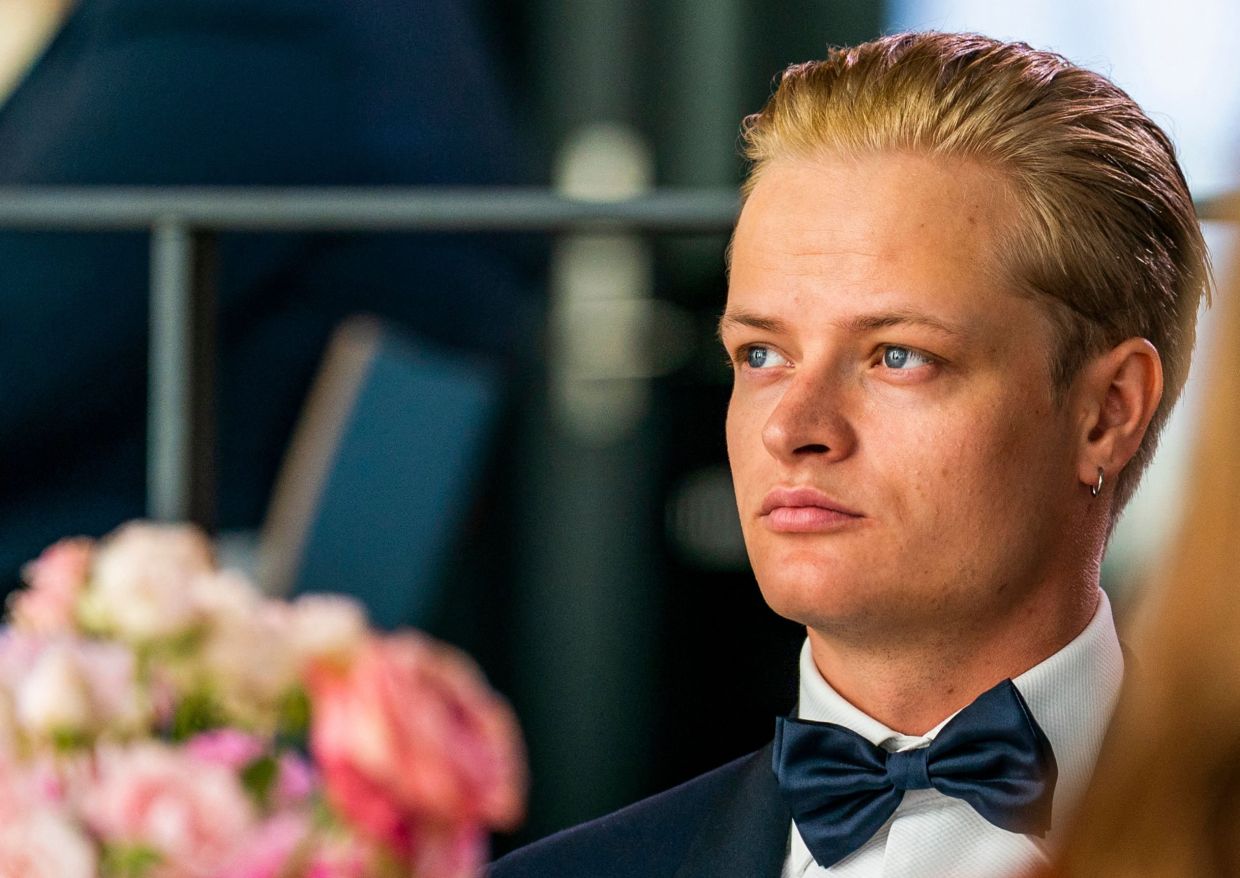
The eldest son of Norway's Crown Princess Mette-Marit has received a four-year prison sentence following his conviction on serious sexual assault charges, marking a significant judicial outcome for a case that has drawn extraordinary international scrutiny due to the defendant's proximity to the Scandinavian monarchy. Marius Borg Høiby, 29, was found guilty on Monday of two rape charges while being acquitted of two others out of the original four counts brought against him. Beyond the rape convictions, the court also found him responsible for assault and abuse within intimate relationships, adding substantial layers to his legal culpability.
The prosecution's original allegations spanned from 2018 through 2024, encompassing four separate women who prosecutors alleged were either asleep or otherwise incapacitated at the time of the alleged incidents. The total criminal charging document against Høiby contained 40 distinct offenses, ranging from the most serious sexual violence charges down to lesser infractions including assault, drug-related violations, and breaches of court restraining orders. While Høiby contested the rape allegations throughout the legal process, he chose to accept responsibility for numerous other offenses listed in the indictment.
The sentencing represents a middle position between the positions staked out by the opposing legal parties. State prosecutors had pursued an aggressive position, requesting that the Oslo District Court impose a sentence of seven years and seven months, reflecting the gravity with which they viewed the criminal conduct. In contrast, Høiby's legal team mounted a vigorous defense, advocating for complete acquittal on the sexual assault charges while arguing that any punishment for the admitted offenses should not exceed 18 months. The court's decision to impose four years reflects neither the maximum severity sought by prosecutors nor the leniency advocated by the defense, though it clearly endorses the prosecution's core allegations.
A significant procedural development occurred during Monday's verdict announcement, as Høiby did not physically attend the courtroom session. Rather than being present to hear the judgment read aloud, he observed the proceedings remotely via video transmission from his prison cell, citing health considerations for his absence. This arrangement allowed him to witness the verdict in real time while remaining in custody, ensuring both his awareness of the outcome and continued detention pending any potential appeals.
The trial itself consumed six weeks of court time, during which prosecutors methodically presented evidence accumulated through their investigation. Multiple women testified about their alleged experiences, providing firsthand accounts of the incidents in question. Beyond witness testimony, the court examined physical evidence including text messages, photographs, and video recordings retrieved from Høiby's personal mobile device, which collectively formed a substantial evidentiary foundation supporting the conviction on the two rape counts.
The case has attracted exceptional media attention internationally, a phenomenon rooted entirely in Høiby's familial connection to Norway's royal succession. Although Høiby holds no official title within the royal institution and performs no state functions, his lineage creates an undeniable link to the throne. He is the biological son of Crown Princess Mette-Marit from a relationship preceding her marriage to Crown Prince Haakon, the designated heir to the Norwegian crown. Significantly, Høiby was raised within the royal household alongside Crown Prince Haakon's own children, embedding him within the family structure despite his lack of formal royal status.
The timing and intensity of international interest has been compounded by deteriorating health circumstances affecting the crown princess herself. Mette-Marit, who has been diagnosed with pulmonary fibrosis and currently awaits a lung transplant, has faced ongoing medical challenges that have kept her prominently in the news cycle. During the lead-up to the verdict, the crown princess's legal representatives raised questions about whether her son might receive temporary release from custody pending the judgment, citing family circumstances. However, appellate courts consistently ruled that Høiby should remain detained throughout the judicial process, rejecting requests for provisional freedom.
The legal proceedings have unfolded within a broader context of heightened scrutiny regarding the royal family's historical associations and judgment. Recent public disclosures revealed that Mette-Marit had maintained social contact with Jeffrey Epstein, the American financier and convicted sex offender who died in prison custody. The crown princess subsequently issued a public statement acknowledging these contacts, characterizing her own judgment during that period as deficient and expressing regret for maintaining the association. She has categorically denied any personal involvement in wrongdoing and faces no legal charges herself, yet the revelations have contributed to an atmosphere of intensified examination surrounding the Norwegian royal household.
The conviction and sentencing of Høiby carries implications that extend beyond the immediate criminal matter. For Malaysia and other Southeast Asian nations with constitutional monarchies, the case underscores the complex relationship between royal families and the judicial system. While Norway's court proceeded with evident independence in pursuing charges against a royal relation, the process itself became subject to extraordinary public and media pressure. This dynamic raises questions about how judicial systems function when royal connections are present, a consideration relevant to any nation where hereditary leadership structures coexist with modern legal frameworks and democratic accountability principles.
The sentence remains subject to further legal challenge, as Høiby retains the right to appeal the conviction and sentencing to higher Norwegian courts. Defense counsel may marshal additional arguments on appeal, potentially contesting either the convictions themselves or the appropriateness of the four-year sentence length. Any appellate process will unfold amid continued public attention and within the context of the crown princess's evolving health situation, factors that may influence both legal strategy and public reception of any eventual appellate decisions. The case ultimately demonstrates that even proximity to royal power provides no insulation from criminal prosecution in contemporary constitutional monarchies, though it does guarantee intense scrutiny of the legal proceedings.