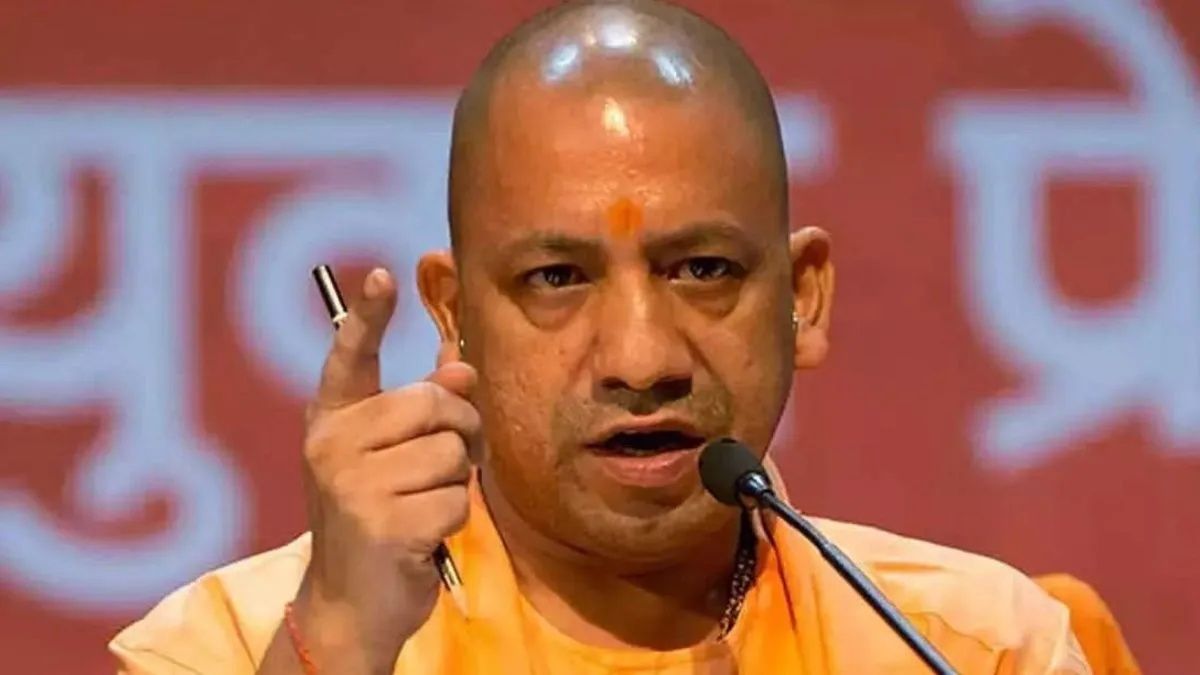
Uttar Pradesh Chief Minister Yogi Adityanath has vowed zero tolerance for attempts to compromise the integrity of India's religious sentiments following the registration of a First Information Report in the Shri Ram Janmabhoomi Teerth Kshetra donation controversy. The government has initiated proceedings based on recommendations from a Special Investigation Team, signalling a swift response to allegations that have drawn public attention to financial management at one of India's most significant pilgrimage sites.
Addressing supporters at a public function in Deoria on Friday, the Chief Minister underscored his administration's commitment to distinguishing truth from falsehood in the matter. He indicated that anyone found guilty of exploiting or misappropriating resources connected to religious institutions would face serious consequences, emphasizing that no individual or group would receive preferential treatment in such cases. The assurance reflects broader concerns about protecting the sanctity of temples, which remain central to Indian spiritual and social life.
Yogi framed his remarks within the context of his June visit to Ayodhya, where he had previously articulated the city's symbolic importance as a representation of Hindu faith and Sanatana Dharma. In his latest statements, he reinforced this perspective, cautioning the public against making unfounded accusations about the sacred city and calling on devotees to maintain dignity in their relationship with the deity. These comments suggest that the administration views the donation case not merely as a fiscal matter but as one with broader implications for religious sentiment.
The Chief Minister launched a pointed critique at opposition parties, particularly Congress and Samajwadi Party, accusing them of historical hostility toward the Ram Janmabhoomi movement. He recalled their legal opposition to the temple's construction and characterized their current expressions of concern about faith as hypocritical. According to Yogi, these parties had denied Ram's historical existence and fought the construction effort through sustained court battles and legal representation.
Yogi referenced what he described as a troubling pattern of communal incidents during previous administrations led by these parties. He cited instances including firing on devotees, restrictions on Kanwar Yatra processions, bans on Krishna Janmotsav celebrations, and alleged instigation of violence during Durga Puja festivities. The Chief Minister characterized these as evidence of long-standing indifference or hostility toward Hindu religious expression, contrasting sharply with opposition claims about protecting faith.
The broader political undercurrent of the Chief Minister's comments reflects the ongoing competition for legitimacy in Indian politics regarding guardianship of Hindu interests. For Malaysian and Southeast Asian observers, this contest illustrates how religious institutions become focal points in political discourse across South Asia. The Ram Temple itself has been a defining issue in Indian electoral politics for three decades, with the 2020 consecration ceremony marking a symbolic victory for Hindu nationalist movements.
Yogi attributed opposition parties' current criticisms of the donation case to frustration over their loss of political power and inability to continue what he characterized as systematic plunder. He suggested that the Samajwadi Party, which previously governed Uttar Pradesh, had engaged in widespread corruption and that the current government's anti-corruption efforts had provoked their antagonism. This framing transforms the donation theft investigation into evidence of the ruling coalition's integrity rather than highlighting potential institutional weaknesses.
The Chief Minister's appeal to Ram devotees to exercise restraint while authorities investigate carries implicit warnings about potential public unrest. His request for opposition parties to cease political commentary during the investigation reflects tensions between investigative processes and electoral politics in India. The instruction suggests that the administration views ongoing political criticism as potentially inflaming public sentiment around the temple and related religious matters.
Yogi's emphasis on cooperation with the SIT investigation signals that the government expects both political opponents and the general public to allow the process to unfold without disruption. His statement that those with evidence should present it while those without concrete proof should refrain from allegations establishes parameters for acceptable public discourse around the case. This approach seeks to depoliticize the investigation while simultaneously maintaining its political relevance.
For regional observers, the case demonstrates how India's largest temple by annual pilgrimage numbers faces governance challenges similar to religious institutions elsewhere in Asia. Questions about financial accountability at major pilgrimage sites resonate across Hindu communities in Malaysia, Singapore, and throughout the Southeast Asian diaspora, where temple management often involves balancing religious duty with transparent administration.
The investigation's outcome will likely carry implications beyond Ayodhya's borders. Hindu organizations throughout Southeast Asia monitor developments affecting major temples in India, viewing them as barometers of religious freedom and administrative competence. Any finding of systematic misappropriation could influence international perceptions of temple management, while conversely, swift and transparent justice might reinforce confidence in Indian institutions.
The Chief Minister's hardline stance against what he characterizes as faith tampering reflects broader patterns in contemporary Indian governance, where elected officials increasingly position themselves as custodians of religious interests. This approach has proven politically effective domestically but sometimes complicates India's positioning as a secular democracy in international forums. The balance between protecting religious sentiments and maintaining institutional integrity remains contested terrain in Indian public life.

