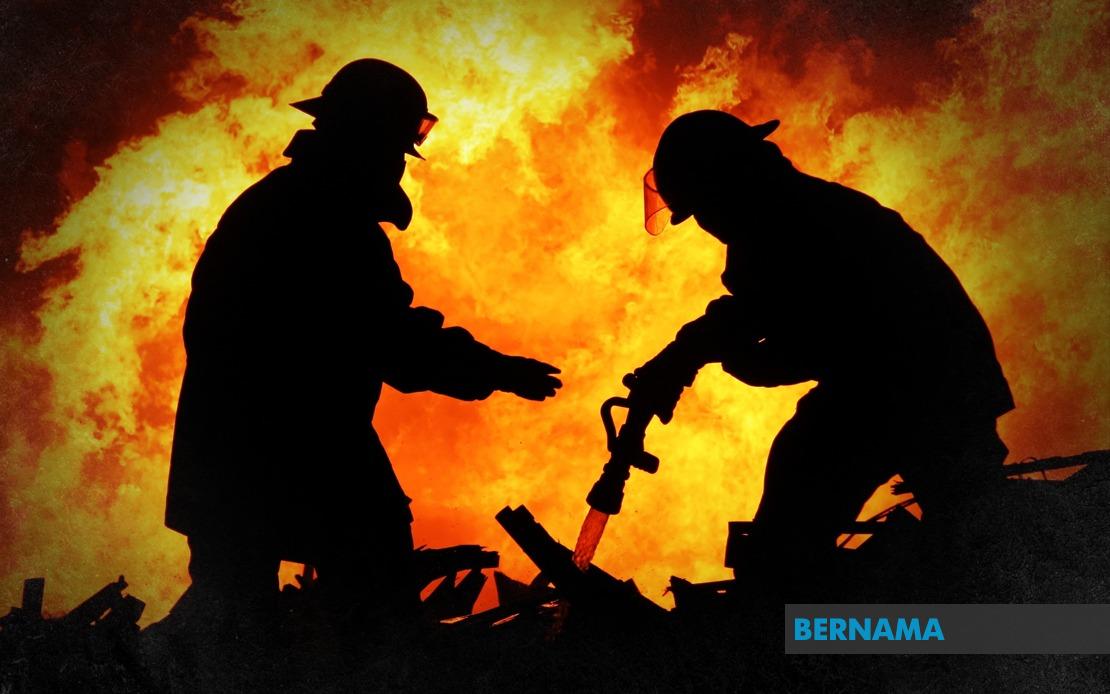
A devastating explosion at a firecracker manufacturing facility in Gujarat's Ahmedabad has left nine workers dead and six more nursing injuries, marking another catastrophic industrial incident in India's loosely regulated explosives industry. The blast occurred at Talent Fireworks, situated in the densely populated Vastral area of the state, on Saturday. Initial investigations point to significant lapses in safety protocols and regulatory compliance at the site, which authorities have confirmed was functioning without the necessary operational licence.
The human toll of this tragedy extends far beyond the immediate casualties. First responders worked through the aftermath to locate survivors trapped in the wreckage, while medical teams treated the injured for severe burns and blast-related trauma. The Vastral area, home to numerous small-scale manufacturing units, is characteristic of Gujarat's industrial landscape—a patchwork of registered and unregistered factories where profit margins often take precedence over worker safety. The factory's decision to operate without a licence suggests deliberate circumvention of regulatory oversight, a pattern that enables workplace hazards to fester unchecked.
Immediate law enforcement action followed the explosion. Police arrested the factory owner, initiating criminal proceedings against him for operating an unlicensed establishment and, more seriously, for the deaths and injuries resulting from gross negligence. Investigators are now examining whether safety equipment was installed, properly maintained, and regularly inspected—questions that often reveal systemic failures in India's informal manufacturing sector.
India's central government responded swiftly through its leadership. Prime Minister Narendra Modi expressed condolences to the grieving families and directed the Prime Minister's National Relief Fund to disburse 200,000 rupees to the next of kin of each deceased worker. This compensation, equivalent to approximately RM8,490 per family, aims to provide immediate financial relief during a period of acute crisis. While recognition of the tragedy matters politically, such ex-post assistance cannot substitute for the prevention mechanisms that would have spared these lives.
The state government moved to supplement federal relief measures. Chief Minister Bhupendra Patel announced that Gujarat would contribute an additional 400,000 rupees—roughly RM16,980—to each bereaved family, doubling the central government's allocation. Together, this two-tier compensation structure provides around 600,000 rupees per family, a figure that, while substantial in local terms, cannot truly compensate for the loss of a breadwinner in communities where such factory workers typically earn modest monthly wages.
The incident underscores a persistent challenge across India's subcontinent-spanning manufacturing landscape: fireworks production remains dangerously concentrated in informal sector workshops where enforcement of safety standards proves minimal. Firecracker factories operate throughout India, particularly in states like Tamil Nadu, Rajasthan, and Gujarat, where tradition, climate, and established supply chains support the industry. Yet despite decades of workplace disasters, meaningful reform in safety culture has lagged significantly behind regulatory improvements on paper.
Regulatory frameworks exist in India, but enforcement remains inconsistent and often compromised by corruption, resource constraints, and political interference. Unlicensed facilities proliferate because they offer cost advantages—avoiding safety infrastructure investments, workplace insurance contributions, and regular inspections. When disasters strike, these savings evaporate into tragedy, and compensation schemes become society's blunt instrument for addressing failures that proper regulation might have prevented entirely.
For Malaysian readers, this incident carries particular relevance. Southeast Asia shares similar challenges with India: a mix of formal and informal manufacturing sectors, regulatory agencies stretched thin across sprawling jurisdictions, and economic pressure on small enterprises to prioritise short-term profits. The Talent Fireworks explosion demonstrates how regulatory gaps create humanitarian crises. Malaysia's own experience with industrial incidents, from manufacturing plant fires to chemical leaks, illustrates that even more developed regulatory systems require constant vigilance against complacency.
The broader context matters here. As India's economy expands and manufacturing remains critical to livelihoods across the region, the choice between robust safety enforcement and regulatory laxity becomes a moral question. Families who send workers into factories each morning expect that basic safeguards exist. When unlicensed operations function openly, it signals that authorities either cannot or will not prioritise worker protection over economic convenience.
India's fireworks sector employs hundreds of thousands, many in conditions that would be unthinkable in regulated Western industries. Seasonal demand for firecrackers during festivals and celebrations keeps factories operating at peak capacity precisely when exhaustion and corner-cutting most threaten safety. The industry exists at the intersection of tradition, poverty, and profit—a combination that consistently produces disasters without triggering transformative reform.
Moving forward, this tragedy should catalyse genuine change rather than merely generating compensatory payments. Gujarat and other states should implement surprise inspection regimes, elevate penalties for unlicensed operation to levels that eliminate the economic advantage of non-compliance, and establish worker compensation insurance requirements that manufacturers cannot circumvent. Authorities must recognize that each firecracker factory blast represents a failure not merely of individual enterprise owners but of the state's protective capacity.
The nine workers who perished at Talent Fireworks are now memorialised through compensation schemes and official statements. Yet the most meaningful tribute would be a regulatory environment where their successors work in factories that function legally, maintain proper safety equipment, and operate under genuine government oversight. Until such conditions become universal rather than exceptional, India's fireworks industry will continue producing headlines measured in casualties rather than cracker colours brightening festival skies.

