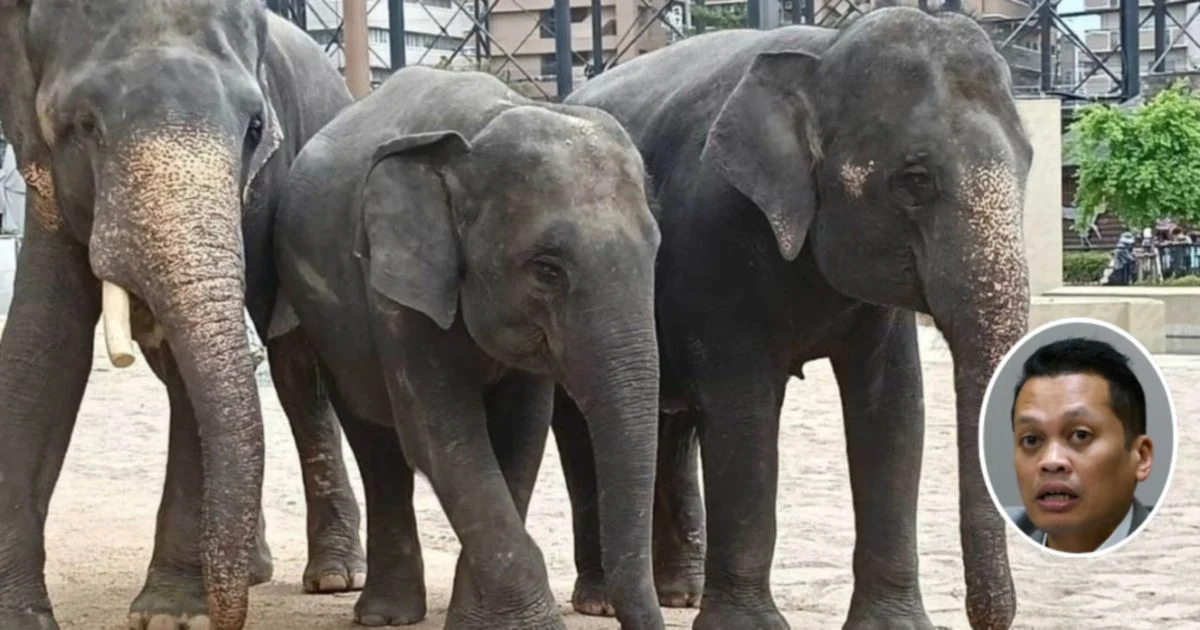
Nik Nazmi Nik Ahmad, who previously held the portfolio of Natural Resources and Environmental Sustainability minister, has moved to distance himself from allegations centring on the controversial transfer of three elephants destined for a zoo in Japan, asserting his complete lack of involvement in any irregular financial dealings connected to the arrangement.
The dispute centres on transfers totalling RM53 million in allegedly suspicious circumstances, a matter that has drawn scrutiny given the substantial sums involved and the questions raised about whether proper procedures were followed. The scale of the payments has prompted wider examination of how government funds related to wildlife management and international animal relocation agreements are handled across Malaysian agencies.
The elephant relocation project represents a complex international undertaking involving coordination between Malaysian authorities responsible for wildlife conservation and Japanese zoological institutions. Such agreements typically require clearance through multiple government channels, including approvals from wildlife departments, the Ministry of Finance, and diplomatic representatives, creating numerous decision points where oversight should theoretically operate.
Nik Nazmi's tenure as Natural Resources and Environmental Sustainability minister placed him at the apex of Malaysia's environmental and wildlife conservation hierarchy during a significant period for the country's environmental policy direction. His portfolio encompassed decisions affecting protected species, including the Asian elephant population found primarily in peninsular Malaysia and Sabah. The allegations have thus raised questions about governance practices within his former ministry.
The former minister's denial comes as investigative attention examines the documentation and approval processes governing the elephant transfers. Wildlife relocation initiatives involve substantial costs, including veterinary care, transportation logistics, habitat preparation, and insurance, but the RM53 million figure has prompted questions about whether expenditures were proportionate and properly justified to oversight bodies.
International animal transfer agreements involving Malaysian wildlife often require coordination with Japan's zoo authorities, animal welfare organisations, and potentially ASEAN neighbours with shared conservation interests. Such projects typically benefit from scrutiny by multiple stakeholder groups invested in ensuring ethical treatment and proper application of conservation funds. The scale of the payments involved suggests this arrangement warranted particularly careful oversight mechanisms.
The allegations underscore ongoing concerns about transparency and accountability in how Malaysian government handles significant financial commitments related to wildlife management. Regular criticism has focused on the need for clearer public disclosure of major conservation expenditures and the decision-making rationales behind international animal transfer agreements. Wildlife advocates and fiscal watchdogs have increasingly called for standardised reporting requirements across agencies managing such matters.
Malaysia's position as custodian of significant populations of endangered Asian elephants carries conservation responsibilities extending beyond domestic borders. International cooperation on wildlife protection has emerged as increasingly important, particularly given habitat pressures from development. However, such cooperation must operate within transparent frameworks ensuring public funds achieve maximum conservation benefit.
The timing of the allegations coincides with broader legislative and enforcement efforts addressing governance in Malaysia's public sector. Multiple agencies, including anti-corruption bodies and parliamentary committees, have intensified scrutiny of government decision-making and financial management across ministries. This broader investigative environment has likely accelerated examination of unusual transactions.
The elephant transfer matter reflects challenges facing Malaysian authorities in balancing international diplomatic commitments with zoological institutions against domestic accountability requirements. Japan maintains active wildlife exchange programmes with Southeast Asian partners, creating frameworks where such transfers occur regularly. However, each arrangement should demonstrate clear conservation rationale and cost-effectiveness aligned with government priorities.
Nik Nazmi's categorical denial may form the opening statement in a more extended examination of documentation underlying the payments. Investigators typically require comprehensive records tracing fund movements, approval authorisations, and the contractual arrangements justifying expenditures. The scale of the RM53 million figure suggests preservation of detailed financial records throughout the transaction process.
For Malaysian readers following environmental governance, this matter illustrates how wildlife management decisions intersect with public accountability frameworks. The elephant transfer scandal demonstrates that conservation work, however well-intentioned, requires alignment with transparency standards and proper oversight mechanisms. Such standards protect both public resources and the credibility of Malaysia's wildlife conservation efforts internationally.
The allegations and Nik Nazmi's response will likely contribute to ongoing policy discussions about formalising approval processes for major wildlife relocation agreements. Enhanced transparency and clearer documentation standards could help prevent future controversies while maintaining Malaysia's capacity to engage constructively in international conservation partnerships that benefit both domestic and regional elephant populations.

