Transport providers have stepped up efforts to assist voters returning to Johor Bahru for Saturday's state election, with both government and civil society organisations deploying additional capacity to accommodate the anticipated surge in travellers. The coordinated push underscores how major electoral events strain existing infrastructure, compelling authorities and independent groups to collaborate in facilitating democratic participation across Malaysia's second-largest state.
Stesen Pemantauan Rakyat, a non-governmental organisation, is operating six complimentary coaches dedicated to bringing 240 voters home from their current locations outside Johor. The initiative reflects a growing recognition that significant numbers of registered voters now live and work in other parts of Malaysia, a demographic reality that poses practical challenges when state and national elections occur. The service targets two major population centres, with four buses departing from Kuala Lumpur and two more picking up passengers at the Sultan Iskandar Building Customs, Immigration and Quarantine Complex in Johor Bahru.
According to Yong Shui Wen, the NGO's representative, the free coach service will cover multiple constituencies and towns within Johor. Passengers boarding from Kuala Lumpur will depart at 9 pm on Friday evening, while those joining from the Sultan Iskandar Building CIQ will have two departure windows: 9 pm on Friday and 9 am on Saturday morning. The staggered schedule accommodates different travel preferences and work commitments among voters, recognising that not everyone can leave Kuala Lumpur simultaneously. The covered destinations—Tangkak, Muar, Batu Pahat, Pekan Nanas, Segamat, Labis, Kluang, Ayer Hitam and Kulai—represent a broad geographical spread across the state, from the southern coast to the interior regions.
This transport initiative is not new. Stesen Pemantauan Rakyat has operated the voter assistance programme continuously since 2018, gradually building a track record of supporting electoral participation among out-of-state residents. The NGO's extended experience suggests this has become a reliable service that voters anticipate and rely upon during election periods. The fact that all available seats have been fully booked demonstrates strong demand, indicating that hundreds of voters depend on such assistance to fulfil their civic obligations.
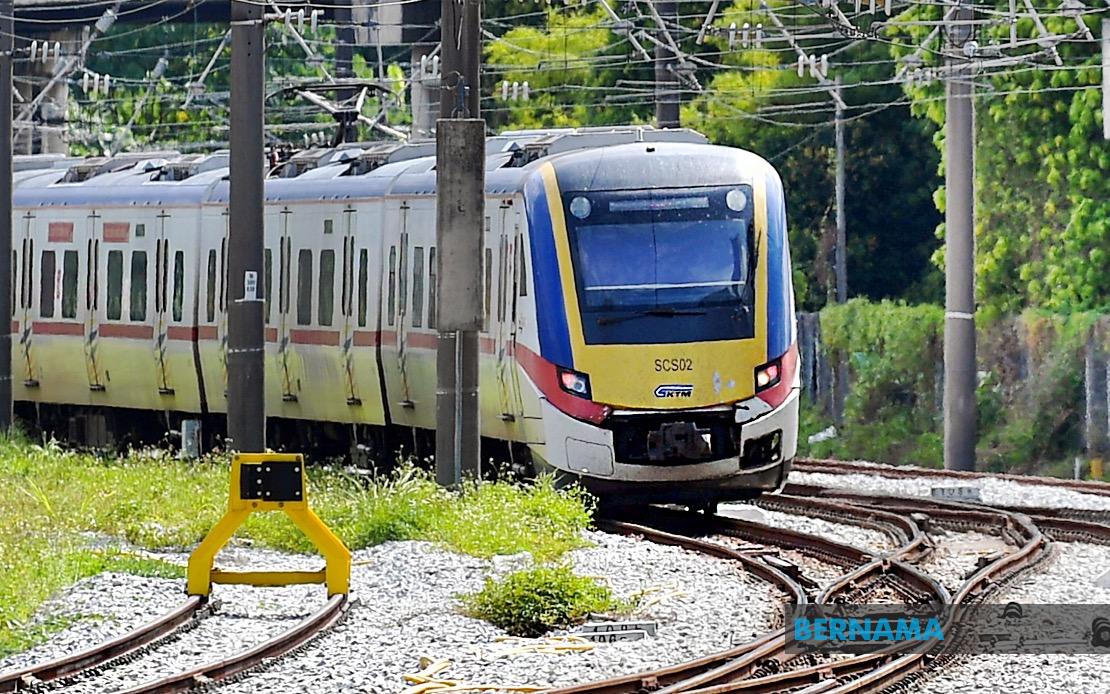
On the rail front, Keretapi Tanah Melayu Bhd has undertaken a substantial capacity expansion for its Electric Train Service during the critical travel period from July 10 to 12. The company has added 7,560 additional seats on the primary KL Sentral to JB Sentral route, effectively doubling the service's normal capacity to 15,120 seats. This strategic intervention targets the most direct and potentially most popular rail corridor for voters commuting between the capital and Johor.
Datuk Azlan Shah Al Bakri, KTMB's Group chief executive officer, revealed that booking demand has been exceptionally strong, with 84 per cent of total capacity on the main KL-JB route already sold as of 7.45 am on the announcement day. Only 2,351 seats remained unsold from the enhanced total capacity, suggesting that further ticketing may sell out rapidly as the election approaches. This near-capacity booking pattern reflects voters' preference for the reliable, air-conditioned rail option over long-distance bus travel, particularly among those making the 400-kilometre journey.
KTMB has also significantly expanded capacity on the Gemas to JB Sentral corridor, increasing availability from 630 to 4,410 seats during the same period. This secondary route serves voters from Malaysia's east coast and interior regions who may find the Gemas interchange a more convenient starting point. As of the morning of the announcement, 2,064 seats had been reserved, representing 47 per cent occupancy. The relatively lower booking rate on this route compared to the main KL-JB line suggests it may offer more last-minute availability, though this could change as election day approaches.
The KTMB Mobile application showed that peak-hour services on Friday and Saturday were nearly completely sold out, underscoring the concentration of travel demand around the election itself. However, the rail operator noted that ticket availability fluctuates as passengers cancel bookings, so voters are being advised to monitor the app continuously rather than assuming all options have expired. This practical guidance acknowledges the dynamic nature of rail ticketing and offers hope to latecomers.
The scale of this election justifies the transport expansion. The 16th Johor state election involves 172 candidates competing for 56 seats across the state, mobilising 2,727,926 registered voters. In a state with significant internal migration and out-of-state employment, ensuring that voters can physically return home to vote becomes a crucial factor in determining turnout. Johor's position as an economic hub attracting workers from across Malaysia means a meaningful portion of its electorate resides temporarily in Kuala Lumpur, Selangor, and Singapore.
The convergence of NGO and state-owned enterprise responses demonstrates how democratic systems depend on multiple actors to function effectively. While government institutions like KTMB handle high-volume transport through existing railway infrastructure, independent organisations like Stesen Pemantauan Rakyat provide targeted support for specific voter groups who lack convenient alternatives. This complementary approach expands overall capacity and reaches voters with different preferences and circumstances.
For Malaysian readers across Southeast Asia, this story illustrates broader questions about voter accessibility and participation equity. As Malaysia's economy becomes more regionally integrated and labour mobility increases, managing elections requires increasingly sophisticated logistical planning. The apparent ease with which transport providers can scale up capacity—KTMB doubling seats, NGOs coordinating bus services—also highlights how unprepared the system might be for unexpected disruptions or future elections where demand might exceed these enhanced capacities. The success of Saturday's election in accommodating voter travel will likely inform transport planning for future major elections.

