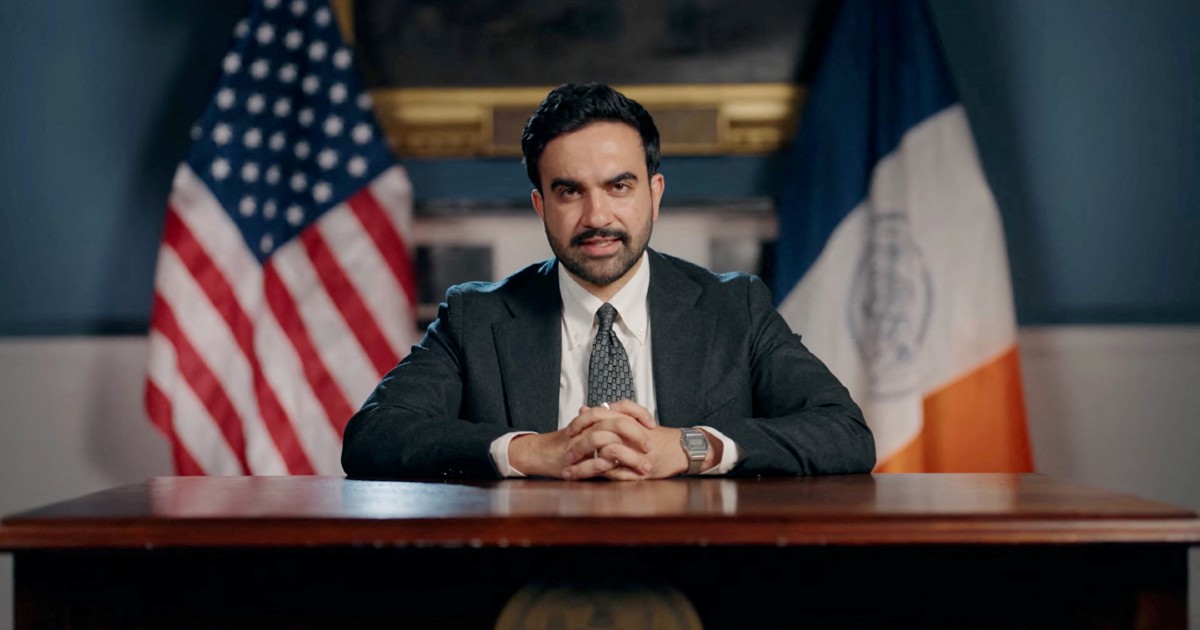
New York Mayor Zohran Mamdani declared on Tuesday that his city administration cannot enforce the International Criminal Court's arrest warrant for Israeli Prime Minister Benjamin Netanyahu, and appealed to Washington to assume responsibility for the matter. The statement represents a significant moment in the ongoing debate over how international criminal justice mechanisms intersect with US sovereignty and local governance during what has become one of the most diplomatically sensitive periods in recent Middle Eastern relations.
The ICC issued arrest warrants in November 2024 targeting Netanyahu and former Israeli Defence Minister Yoav Gallant, based on allegations stemming from military operations in Gaza. The warrants immediately created a complex legal and diplomatic predicament for countries with ICC membership obligations, particularly those with significant Israeli diplomatic and security relationships, or those hosting Israeli leadership during official visits.
Mamdani's clarification addresses a matter of constitutional and jurisdictional complexity that has generated confusion among advocacy groups, international law experts, and the general public regarding how local police forces relate to international warrants. Under the US federal system, states and municipalities derive their law enforcement authority from state constitutions and statutes, while treaty obligations and international arrest warrants fall under federal jurisdiction. This structural division means that NYPD officers, despite operating in a city that is home to the United Nations and frequently hosts international officials, cannot unilaterally execute international warrants without federal authorization and coordination.
The Mayor's position reflects a practical reality of American federalism that often goes unrecognized in public discourse about international justice. New York City, despite its status as a global metropolis and seat of international diplomacy, operates within constrained authority when dealing with matters of international law. City law enforcement must defer to federal agencies including the FBI, the State Department, and the Department of Justice when international treaty obligations or diplomatic considerations come into play. This hierarchy ensures that US foreign policy remains coherent and that the nation speaks with a unified voice on diplomatic matters rather than through fragmented local responses.
The timing of Mamdani's statement carries particular significance for Malaysia and other Southeast Asian nations that maintain diplomatic and trade relationships with Israel while also being ICC signatories. These countries face similar jurisdictional challenges should Israeli officials visit their territory. Unlike the United States, which has not ratified the ICC statute despite being a major global power, many nations in this region are bound by international treaty to recognize and potentially enforce ICC arrest warrants. This creates a genuine dilemma for countries seeking to maintain balanced diplomatic relationships while honoring international legal obligations.
For Malaysian observers, the situation illustrates how major democracies navigate the tension between international law and bilateral relationships. The US position, expressed through Mamdani's comments, essentially prioritizes diplomatic and foreign policy considerations over automatic enforcement of international warrants. This approach differs markedly from how smaller nations must operate, where maintaining good standing with the ICC must be weighed against potential diplomatic consequences of arresting senior officials from countries with which they maintain significant ties.
The Mayor's call for federal intervention suggests that responsibility for handling Netanyahu's potential visit to New York, should one occur, rests with Washington rather than City Hall. The State Department and federal law enforcement agencies would need to coordinate any response, likely involving diplomatic negotiations and legal determinations at the national level. Such centralized handling allows the US government to manage the situation within the context of its broader foreign policy objectives and alliance relationships.
The warrant situation also reflects the ongoing debate within the ICC itself regarding the effectiveness and impartiality of the institution. Critics argue that enforcement disparities—with warrants issued primarily against officials from nations less closely aligned with major Western powers—undermine the Court's credibility. The Netanyahu warrant has amplified these criticisms, with supporters of Israel arguing that the Court has overreached its mandate and acted with political bias. Conversely, human rights advocates contend that the ICC must operate without exemptions for senior officials, regardless of their nation's diplomatic weight.
For Malaysia and other countries navigating similar complexities, the American approach offers neither comfort nor a clear precedent. The US is unique in its refusal to recognize ICC jurisdiction while remaining a permanent UN Security Council member with disproportionate global influence. Most other nations lack this combination of power and non-compliance options. Southeast Asian countries must therefore develop their own frameworks for handling potential conflicts between ICC obligations and diplomatic relationships, knowing that they cannot simply defer to federal governments or invoke sovereignty in the American manner.
Mamdani's intervention also raises questions about the future of New York as a venue for international diplomatic engagement. If the city cannot enforce international warrants while simultaneously serving as host to the UN and regular destination for international leaders, the practical implications for how global diplomacy functions in the 21st century become apparent. The statement essentially establishes that New York operates as international diplomatic space with special exemptions from local law enforcement jurisdiction over visiting dignitaries, managed through federal coordination.
The Mayor's position ultimately clarifies that international criminal justice, however important, remains subordinate to US foreign policy priorities at the federal level. For nations with less diplomatic leverage than the United States, this precedent underscores the challenges of enforcing international law equitably while maintaining necessary bilateral relationships. Malaysia and its Southeast Asian partners must recognize that the international legal order, despite its pretensions to universality, operates differently depending on the geopolitical weight and strategic importance of the actors involved.

