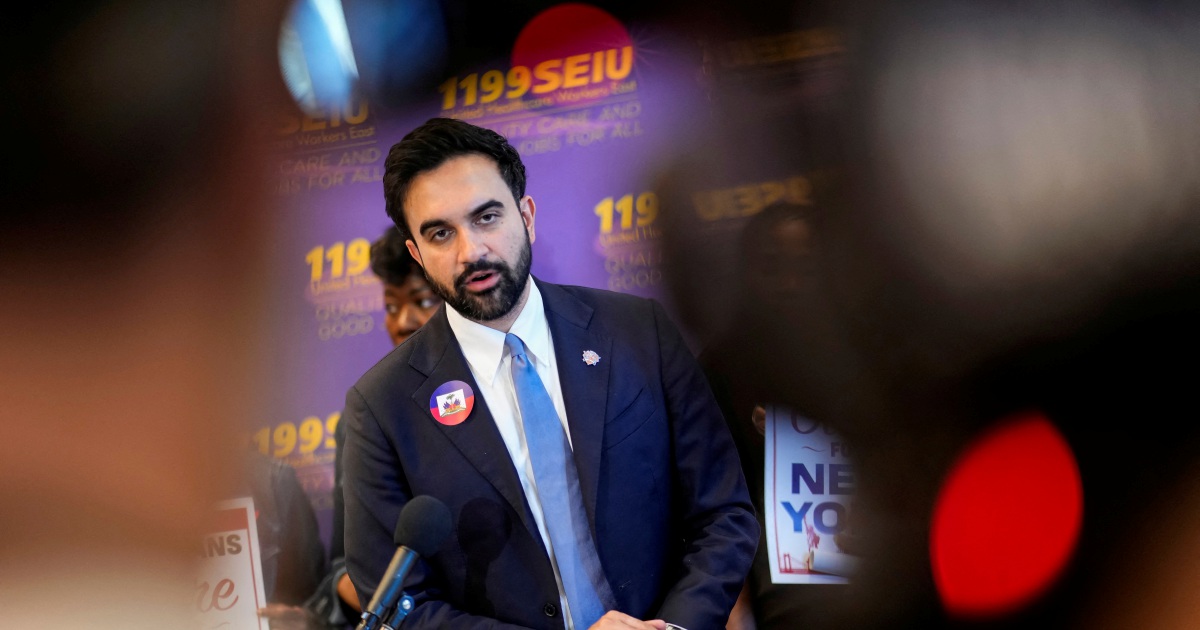
New York Mayor Zohran Mamdani has clarified this week that he does not possess the legal authority to arrest Israeli Prime Minister Benjamin Netanyahu if he were to travel to the American metropolis, walking back an earlier indication that he was contemplating the possibility of such detention based on allegations of war crimes. The statement represents a significant shift in stance for the mayor, who had previously suggested he was weighing his options regarding Netanyahu's potential visit to the city.
Mamdani's reversal underscores a fundamental constraint facing municipal leaders in the United States when confronted with demands from civil society groups seeking action against foreign officials. As mayor of New York City, Mamdani's executive powers are circumscribed by the broader legal framework governing federal and state jurisdictions. International arrests and extraditions, particularly those involving accusations of war crimes, fall squarely within the purview of federal authorities and international legal mechanisms rather than city government. This distinction reflects the carefully calibrated separation of powers embedded within the American constitutional system, where foreign relations and international law enforcement remain federal prerogatives.
The controversy illuminates the tension between municipal political leadership and the constraints of domestic legal authority. Civil society organisations and human rights advocates have increasingly called upon local officials to take symbolic or practical stands against visiting international figures accused of grave violations. These activists argue that cities, as repositories of moral and political influence, should leverage whatever legal tools remain available to them. However, Mamdani's acknowledgement of his powerlessness illustrates the inherent limitations of this strategy when formal legal mechanisms are unavailable.
New York City's position within the American federal system further complicates matters. While the city exercises significant autonomy in managing local affairs, foreign policy and the prosecution of international crimes remain entirely outside its mandate. The International Court of Justice and national courts with universal jurisdiction—such as those in European countries—possess far greater legal standing to pursue investigations into allegations of war crimes than an American municipal authority. The United States itself, notably, is not a signatory to the International Criminal Court, which further narrows available legal pathways.
Mamdani's earlier suggestion that he was considering arrest powers likely reflected political pressure from constituents deeply troubled by the humanitarian situation in Gaza and Israel's military actions. New York City, home to substantial Palestinian-American and Jewish-American communities, has witnessed intense activism and counter-activism surrounding the Israeli-Palestinian conflict. For an elected official representing such a polarised electorate, the temptation to perform solidarity through legal action carries considerable appeal, even when the legal basis for such action is absent.
The episode also highlights a broader pattern in American municipal politics, where mayors occasionally overstate their authority in response to constituent demands. This phenomenon reflects the inherent difficulty of reconciling electoral accountability to local populations with the reality of constrained powers. When genuine legal avenues are unavailable, municipal leaders face a choice between disappointing supporters or retreating to clarifications that their actions were merely aspirational or rhetorical.
For Malaysian observers, this situation offers instructive parallels regarding the limits of municipal versus national authority. Similar tensions exist within Malaysia's own federal system, where state governments and city authorities sometimes find themselves constrained by constitutional allocations of power. Kuala Lumpur City Council and other municipal bodies occasionally encounter situations where constituency demands exceed their formal authority, necessitating careful navigation between political expectations and legal reality.
The Netanyahu controversy also reflects the growing internationalisation of municipal politics. Cities increasingly serve as platforms for global activism and political positioning, yet this expanded role in transnational discourse does not automatically translate into expanded legal powers. Mamdani's clarification serves as a useful reminder that symbolic politics and institutional authority operate within distinct and sometimes incommensurable domains.
The practical implications for Netanyahu remain unchanged by Mamdani's statement. Should the Israeli Prime Minister visit New York City, he would encounter no official municipal obstruction based on war crimes allegations. However, he might face civil demonstrations, social movements demanding accountability, and continued political pressure from activists and elected representatives operating within permitted bounds of expression and peaceful assembly. This distinction between what is politically possible and what is legally feasible captures the essence of Mamdani's revised position.
Ultimately, Mamdani's acknowledgement serves both to diminish unrealistic expectations about municipal power and to redirect attention toward the actual forums where allegations of war crimes might be pursued: federal courts, the International Court of Justice, and international diplomatic mechanisms. While this outcome may disappoint those seeking immediate accountability, it reflects a necessary alignment between political rhetoric and institutional reality.

