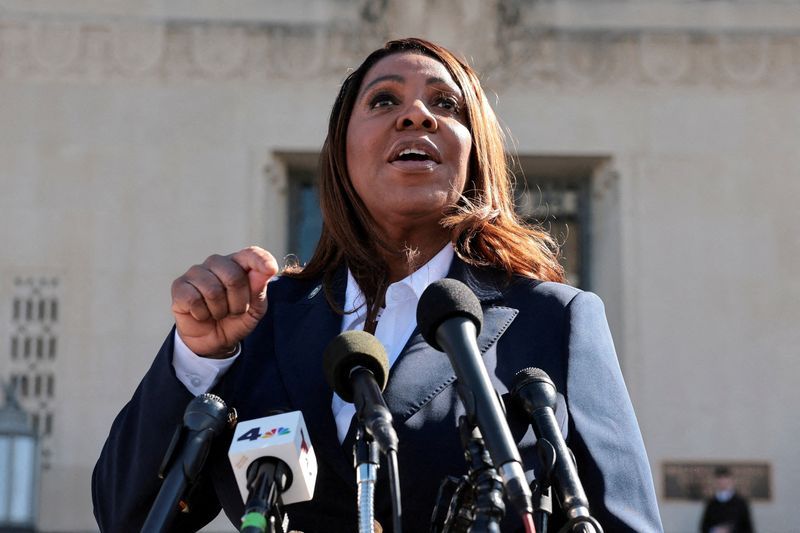
A New York state court has dealt a significant blow to Zelle, the digital payment platform owned by seven major American banks, by rejecting its motion to dismiss a consumer fraud lawsuit. Justice Phaedra Perry-Bond of Manhattan ruled on Tuesday that New York Attorney General Letitia James presented sufficient evidence that the platform's operators prioritised commercial expansion and market accessibility over essential consumer protection measures when launching the service, despite warnings from banking partners about security gaps.
Zelle, which launched in 2017, operates as a joint venture of Bank of America, Capital One, JPMorgan Chase, PNC, Truist, US Bank and Wells Fargo. The platform competes directly with other payment apps including PayPal's Venmo and Block's Cash App in the increasingly crowded digital money transfer marketplace. According to James's complaint, fraudsters have exploited the platform's security shortcomings to steal more than $1 billion from consumers, with the Attorney General claiming that Zelle's corporate structure essentially insulated its banking owners from direct accountability.
The court's decision centres on whether Zelle bore responsibility for creating conditions that enabled fraud, rather than actively perpetrating the crimes themselves. Perry-Bond found that James's allegations supported the conclusion that Zelle's parent company, Early Warning Services, deliberately overlooked security vulnerabilities to accelerate the platform's market penetration. The judge's ruling indicates that Zelle's defence—that it merely failed to act rather than actively facilitated fraud—may not shield it from liability in this case, a distinction that could have broader implications for how digital financial services are held accountable.
The attorney general identified multiple scam patterns that affected Zelle users. Criminals hacked directly into consumer accounts and executed unauthorised transfers, while others deceived users into sending money for goods and services that never existed. Some fraudsters impersonated legitimate institutions including banks, government agencies and utility companies to trick consumers into transferring funds. Each of these attack vectors represented what James characterised as an entirely predictable and preventable category of harm that Zelle could have mitigated through industry-standard safety protocols.
A particularly damaging finding in Perry-Bond's ruling concerns Zelle's continued collection of transaction fees from fraudulent transfers. The judge noted that by allowing these payments to continue flowing to its corporate owners, Zelle raised serious questions about whether the company implicitly or explicitly condoned the fraudulent activity occurring on its platform. This element transforms the case from a simple negligence dispute into potentially more serious allegations about the platform's financial incentive to tolerate fraud.
Marketing claims made by Zelle also formed part of James's complaint and featured in the court's analysis. The platform advertised itself as offering "peace-of-mind" and repeatedly told consumers that Zelle was "backed by the banks, so you know it's secure." These statements take on particular significance given that James documented how Zelle deliberately delayed implementing basic security features that major banking partners had recommended years earlier. The disconnect between marketing promises and actual platform security practices proved persuasive to the court.
Zelle's response has focused on disputing both the facts and the legal arguments underlying the lawsuit. Company spokesperson Eric Blankenbaker countered that fraud reports among Zelle users have consistently remained "exceptionally low," suggesting that allegations of pervasive security problems mischaracterised the platform's actual safety record. Zelle also characterised the attorney general's action as politically motivated, claiming that similar cases brought against the company in other jurisdictions have been rejected by courts on both factual and legal grounds. The company argued that advertising the platform as safe and secure constituted protected commercial speech, and that failing to implement additional safeguards could not constitute actionable negligence.
The timeline of Zelle's security measures underscores James's central complaint. Although Early Warning Services first proposed implementing enhanced safety features in 2019, the company did not actually adopt what James described as "basic" protective measures until 2023. That four-year delay coincided precisely with the period when major fraud losses accumulated, suggesting that commercial considerations deliberately overrode consumer protection. The impetus for finally implementing these features came only after the U.S. Consumer Financial Protection Bureau initiated its own investigation and multiple congressional representatives began examining the platform's security practices.
James initially pursued her lawsuit after the federal Consumer Financial Protection Bureau dropped its own enforcement action in March 2025. That agency's decision to abandon its case occurred shortly after U.S. President Donald Trump commenced his second presidential term, and the CFPB subsequently ceased most enforcement activities. This sequence positioned the New York attorney general's office as the primary governmental actor continuing to hold Zelle accountable for alleged consumer harms, effectively inheriting the enforcement responsibility that the federal agency relinquished.
For Malaysian and Southeast Asian observers, this case carries implications extending beyond the United States payment system. Digital payment platforms operating across the region similarly balance growth imperatives against security investments, and rely on reassurances from institutional partners to attract users. The court's willingness to examine whether platform operators deliberately prioritised market expansion over fraud prevention could influence how regional regulators and courts address security gaps in emerging payment systems. The decision suggests that commercial success and consumer protection cannot be treated as competing values, but rather that platforms must demonstrate good faith commitment to safety measures even when such investments slow market growth.
The ruling also highlights the vulnerability of payment platforms to organised fraud schemes that exploit predictable security weaknesses. As digital financial services proliferate throughout Southeast Asia, the Zelle litigation provides a cautionary example of how inadequate safety standards can expose millions of consumers to preventable losses. Banks and technology companies operating digital wallets and transfer services across the region should consider how this decision might inform regulatory approaches to mandatory security standards and corporate accountability structures.
Moving forward, Zelle faces the prospect of substantive litigation on the merits of James's claims, rather than an early dismissal. The platform's banking owners will need to defend their business decisions regarding security investments and market timing. The case will likely proceed to discovery and trial, potentially revealing internal communications about how executives weighed consumer protection against competitive pressures. As digital payments become increasingly central to commerce throughout Asia, the outcome of this American litigation could influence how regional governments and courts approach platform accountability for fraud losses.

