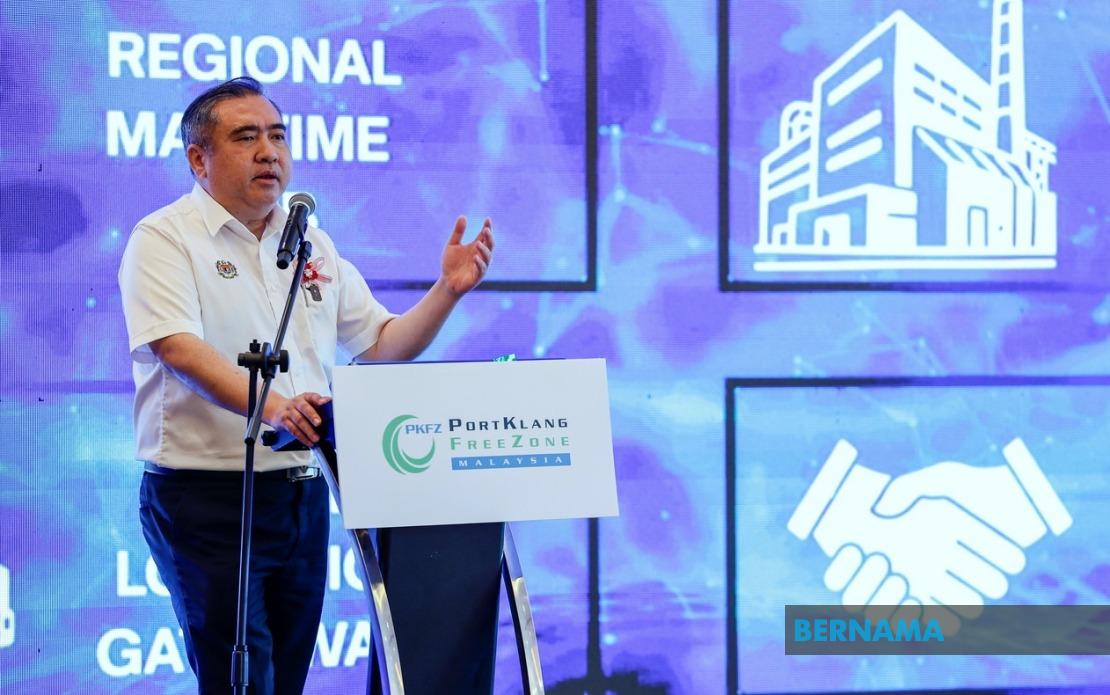
Parliament will debate a sweeping overhaul of road transport legislation on Monday and Tuesday next week, with Transport Minister Anthony Loke indicating that the Road Transport (Amendment) Bill 2025 is expected to gain approval before lawmakers disperse for their weekly recess. The legislation encompasses 11 distinct areas of reform through 42 separate clauses, representing one of the more substantial updates to Malaysia's road transport framework in recent years. Loke's announcement underscores government commitment to addressing what he characterised as persistent threats to public safety on Malaysian roads, with the parliamentary timetable suggesting broad political consensus on the reform agenda.
The crackdown on illegal street racing has emerged as perhaps the most visible component of this legislative package, addressing a phenomenon that has escalated in frequency and notoriety across Malaysian urban centres. Weekend evenings have become particularly problematic, with organised groups engaging in coordinated racing activities that endanger not only themselves but innocent motorists and pedestrians traversing the same roads. The government views these activities as symptomatic of deeper enforcement gaps in current legislation, necessitating tougher penalties and expanded police powers to interdict such operations before they materialise on public thoroughfares.
Equally significant is the legislation's targeted approach to dismantling the so-called tonto syndicates—organised networks that orchestrate street racing events, coordinate participants, and profit from associated gambling and sponsorship arrangements. These operations have become increasingly sophisticated, utilising social media platforms and encrypted messaging applications to mobilise participants while evading detection by authorities. By strengthening legislative provisions against these networks specifically, the government aims to disrupt the entire ecosystem that enables and incentivises illegal racing rather than merely penalising individual drivers caught in the act.
The breadth of the amendment bill suggests that lawmakers have approached road safety reform holistically rather than piecemeal. Beyond the headline provisions addressing racing and syndicates, the 11 amendment areas likely encompass enhanced enforcement mechanisms across vehicle registration, driver licensing, traffic violation procedures, and penalties for various infractions. This comprehensive approach reflects lessons learned from other jurisdictions that have attempted targeted crackdowns only to discover that legislative loopholes elsewhere permitted illicit activities to persist through alternative channels.
Loke's reference to opposition support through the Parliamentary Special Select Committee signals that this legislation enjoys bipartisan backing, a development that typically accelerates passage and suggests the government had consulted widely before finalising the bill's contents. Cross-party agreement on road safety matters reflects the universal nature of the threat posed by illegal racing—the phenomenon affects constituencies across the political spectrum, and families in all communities have legitimate concerns about reckless drivers jeopardising their safety. This consensus may also facilitate smoother implementation once the law takes effect, as opposition-controlled state governments will prove more cooperative with enforcement operations.
For Malaysian road users, the amendments represent both a promise and a practical reality check regarding enforcement capacity. Enhanced legislation means little without corresponding investment in detection technologies, personnel training, and sustained police operations targeting the identified threats. The clauses presumably specify new penalty structures that elevate consequences for offenders, perhaps including vehicle confiscation, substantial fines, and jail terms that serve genuine deterrent purposes. However, the ultimate efficacy depends on whether the police traffic division receives adequate resourcing and whether prosecutors prioritise these cases despite court backlogs affecting the broader criminal justice system.
The timing of this legislative push reflects escalating public concern about road safety that has gained momentum through social media activism and victim advocacy groups. Incidents involving illegal racing have occasionally resulted in fatalities of uninvolved parties, generating viral footage and triggering demands for government action. By moving swiftly to table, debate, and pass this bill within a single parliamentary session, Transport Ministry officials demonstrate responsiveness to constituent pressure while advancing their own policy priorities. The accelerated timetable also minimises opportunity for organised racing networks to mobilise opposition or lobby against specific provisions they find inconvenient.
Regionally, Malaysia's reform agenda aligns with broader Southeast Asian patterns of governments attempting to reassert road safety authority against expanding subcultures of street racing and vehicle modification. Singapore, Thailand, and Indonesia have each grappled with similar phenomena and enacted increasingly stringent penalties and enforcement strategies. The cross-border dimension matters because some participants in Malaysian illegal racing networks have connections to counterparts in neighbouring countries, occasionally engaging in coordinated international operations. Harmonising legislative approaches across the region potentially enables more effective intelligence sharing and cooperative enforcement.
The amendment bill also implicitly acknowledges that current penalties for illegal racing have failed to deter participation, particularly among younger drivers who may underestimate risks or view street racing as a status-enhancing activity. By substantially increasing consequences and expanding the universe of individuals liable to prosecution—potentially including event organisers, spectators, and social media facilitators—the legislation attempts to create a comprehensive deterrent landscape. Whether this approach proves effective depends partly on cultural factors and whether alternative outlets for automotive enthusiasts can be developed through legalised racing facilities and modified vehicle showcases that satisfy underlying impulses without jeopardising public safety.
Parliamentary observers anticipate that the second reading debate on Tuesday will illuminate which specific provisions generated the most consideration among lawmakers and whether any amendments are proposed before final passage. The government's apparent confidence that the bill will pass on the same day suggests minimal contentious elements remain, though the second reading typically permits substantive discussion of principles and implementation concerns. Road safety advocates will be monitoring the precise language around enforcement procedures and penalty schedules to assess whether the legislation delivers meaningful deterrent impact or primarily serves symbolic purposes reassuring concerned constituents without substantially altering enforcement realities.

