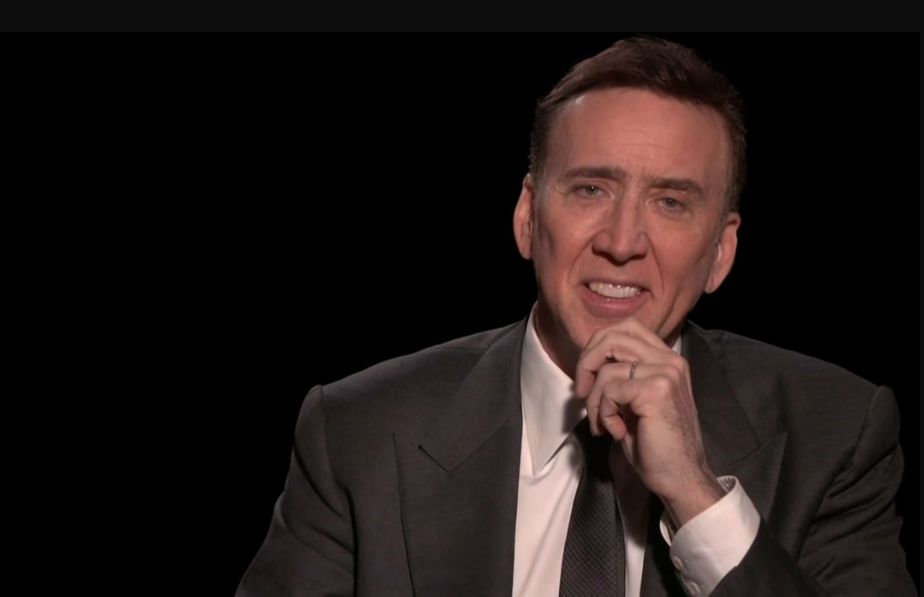
A high-stakes legal battle has erupted between Netflix and Swiss billionaire film producer Simon Afram over the theft of an unreleased Nicolas Cage thriller from the streaming giant's Hollywood headquarters. Afram has filed a US$105 million lawsuit in federal court in California's Central District, claiming the company failed in its duty to safeguard a master copy of the film and compounded the damage through delayed notification and inadequate compensation.
The dispute centres on a master digital cinema package that disappeared from Netflix's offices, with the streaming service acknowledging the theft occurred during a broad security breach that affected multiple workstations. In an internal email dated June 25, Netflix Original Film director Sean Berney informed the filmmakers of the incident, describing it as unprecedented for the company. He noted that someone had stolen a substantial quantity of drives from employee desks and explained that while the company's piracy monitoring teams were investigating, the stolen equipment was likely being sold for scrap value.
What transforms this from a simple theft into a major legal confrontation is Netflix's response to the incident. Afram's legal team contends that the company delayed notifying the producers about the stolen drive by approximately a week, giving them no opportunity to take immediate protective action. Furthermore, Netflix's proposed remedy—reimbursing the US$800 cost of replacing the physical drive—struck Afram as grossly inadequate given the scale and scope of the project involved. The production had consumed US$45 million in development and filming expenses, with Afram personally investing seven years in bringing the concept to fruition.
The lawsuit articulates a comprehensive vision of the damage inflicted by this breach of security and trust. Beyond the immediate loss of the master file, Afram argues that Netflix has deprived the film, its ensemble cast, and its creative team of a crucial window of opportunity—the chance to launch a properly orchestrated global theatrical and streaming release. The producers contend that a movie of this calibre, with an A-list actor and substantial production values, would typically generate revenues at least 2.5 times its production budget when marketed and distributed effectively. Using this industry standard, they arrived at the US$105 million figure, representing not just sunk costs but lost commercial potential.
For the creative team, the stakes extend beyond financial loss. Afram emphasised in a statement that the film represents a watershed moment in the career of its principal actor, a performance that deserves public recognition and acclaim. Seven years of development work, creative vision, and professional commitment hinged on Netflix's ability to bring the finished product to market. The theft, combined with the company's handling of the aftermath, has effectively shelved what could have been a significant moment in cinema.
Netflix has vigorously contested the lawsuit, presenting a starkly different narrative about responsibility and accountability. The company maintains that it does not assume liability for films that arrive without adherence to industry-standard security protocols and digital asset protection measures. In statements to the entertainment press, Netflix characterised the lawsuit as a hostile extortion attempt, noting that Afram's representatives initially demanded US$165 million before the current US$105 million claim was filed. A Netflix source further contended that among the drives stolen during the incident, most were empty, suggesting the breach may have been random rather than targeted at this particular project.
This defence raises important questions about where responsibility lies in the modern media ecosystem. Netflix's position essentially argues that studios and producers who deliver content to streaming platforms must bear the security risk themselves, using encryption, compartmentalisation, and other protective measures before handing over materials. From Netflix's perspective, accepting liability for inadequately secured content would set a dangerous precedent, potentially exposing the company to numerous claims whenever content goes missing.
The contrasting positions reflect a fundamental tension in contemporary entertainment distribution. Producers argue they are placing extraordinary trust in Netflix, a company with significant resources and infrastructure dedicated to security. They expect the streaming giant to maintain fortress-like protections over irreplaceable creative assets. Netflix counters that it cannot reasonably guarantee absolute security for every piece of content flowing through its offices, especially when creators fail to implement their own safeguards. The company also suggests that its standard security measures and insurance frameworks are sufficient for industry purposes.
Director Simon West, known for previous collaborations with Nicolas Cage, helmed this thriller project, adding another layer of A-list talent to the production. The involvement of such established creative figures underscores that this is not a minor dispute between unknown parties but a clash between major entertainment stakeholders about the standards expected in a multi-billion dollar industry.
For Malaysian and Southeast Asian entertainment industry observers, this case carries significant implications. As regional production companies increasingly collaborate with streaming platforms and international distributors, questions about asset security, liability allocation, and dispute resolution become increasingly pressing. The outcome could shape how content is delivered and protected across regional partnerships for years to come.
The dispute also illuminates the operational risks embedded within streaming platform operations. As Netflix and competitors accumulate vast libraries of content in various stages of production and completion, managing security across multiple locations and employee touchpoints presents genuine challenges. Whether courts ultimately assign greater responsibility to the streaming platform or the content creator will influence how the entire industry approaches such collaborations going forward.

