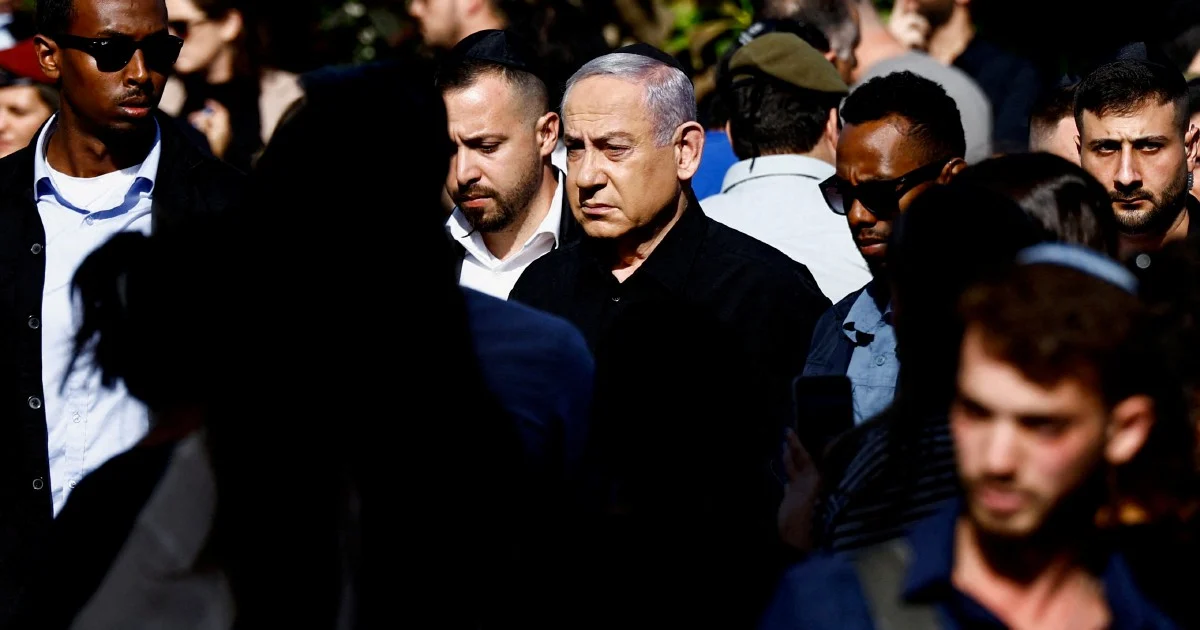
Israeli Prime Minister Benjamin Netanyahu has completed his testimony in his ongoing corruption trials, according to a statement from the country's justice ministry on Wednesday. The conclusion of his witness testimony marks a significant milestone in the legal proceedings that have shadowed his tenure as premier, even as he manages broader international complications affecting Israel's strategic position in the Middle East and beyond.
The legal cases against Netanyahu have persisted through multiple terms as prime minister, creating an unusual situation in which a sitting head of government must simultaneously manage state affairs and navigate the Israeli court system. The completion of his testimony represents the final stage of his personal involvement in the trial proceedings themselves, though the judicial process will continue as judges consider evidence and arguments from both the prosecution and defence teams.
Netanyahu faces accusations spanning different charges, with the proceedings having drawn significant public and international attention. The trials have become emblematic of broader debates within Israeli society about accountability, the rule of law, and the proper boundaries of executive power. His willingness to testify personally, rather than invoking any available legal protections, underscores the political stakes involved, as perception of cooperation with judicial processes carries weight both domestically and internationally.
The timing of the testimony's conclusion coincides with heightened geopolitical tensions centred on negotiations between the United States and Iran regarding nuclear matters. Israeli officials, including Netanyahu, have expressed grave concerns about any agreement they view as inadequately restricting Iran's nuclear programme or military capabilities. This concern reflects Israel's longstanding strategic anxiety about Iranian regional ambitions and the potential implications of a nuclear-armed Iran for Israeli security.
The reported interpretation that recent diplomatic developments disadvantage Israel's interests has compounded pressure on Netanyahu's government across multiple fronts. Israel has previously expressed apprehension about international negotiations conducted without its direct participation, particularly when the outcomes potentially affect the regional balance of power. The convergence of domestic legal scrutiny and foreign policy challenges creates a complex operating environment for the prime minister.
For Malaysian observers, the situation illustrates how even developed democracies with established legal institutions must navigate tensions between judicial independence and executive continuity. The Malaysian political landscape, with its own experiences of politically sensitive legal proceedings against sitting or former leaders, offers useful comparative perspective on the institutional challenges involved when a nation's courts examine its chief executive.
The broader geopolitical dimensions also carry relevance for Southeast Asia and Malaysia specifically. Iran's nuclear activities have implications extending beyond the Middle East, affecting regional security architectures and international power dynamics that touch Southeast Asian interests. Malaysia, as a Muslim-majority nation with diplomatic relations across the region, maintains careful positions on such matters, recognising the complexity of supporting Palestinian causes while managing economic relationships with diverse international partners.
Netanyahu's legal challenges have persisted despite his continued electoral success and political resilience. This reflects deepening polarisation within Israeli society, where supporters view the trials as political persecution and critics regard them as necessary accountability. The prime minister's ability to govern effectively while under legal scrutiny has tested democratic institutions and raised questions internationally about whether individuals facing serious charges should remain in executive office.
The conclusion of his direct testimony does not end the trial process but rather transitions it into the adjudication phase. Judges must now weigh competing narratives, assess credibility, and apply legal standards to reach judgments. This phase typically requires months or years before conclusions are reached, meaning Netanyahu's legal status will remain uncertain for an extended period, continuing to create political and psychological pressure.
The intersection of Netanyahu's legal troubles and international security challenges underscores how modern governance increasingly requires leaders to manage multiple simultaneous crises. His testimony conclusion, while formally procedural, represents a moment when a leader facing serious domestic legal questions simultaneously grapples with defining international negotiations that could reshape Middle Eastern security architecture for decades. This layering of pressures highlights the complexity of leadership in troubled times.
As the Israeli court system proceeds with deliberations, international observers including those in Southeast Asia will monitor both the judicial outcomes and how they affect Israeli foreign policy direction. The region's stability often depends on predictable behaviour from established actors, and prolonged uncertainty about Israel's leadership or potential changes arising from legal outcomes could introduce unpredictability into regional calculations that affect broader international interests.

