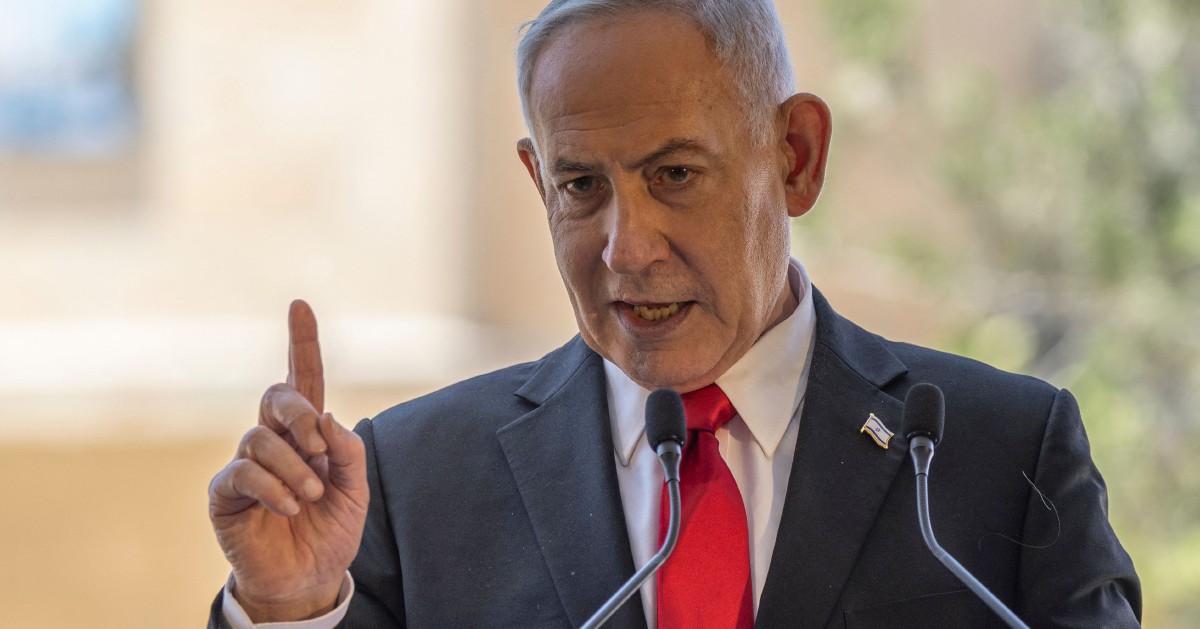
Israeli Prime Minister Benjamin Netanyahu's administration has entered a period of frenzied legislative activity, seeking to advance a slate of contested bills through parliament before the institution formally dissolves in preparation for national elections scheduled four months away. The compressed timeframe has transformed the parliament into a battleground where the government seeks to cement its policy priorities, while opposition lawmakers scramble to block or delay measures they argue threaten democratic principles and serve narrow political interests rather than the broader public good.
The situation underscores the inherent tensions in Israeli parliamentary procedure, where governments facing electoral deadlines often attempt to entrench decisions that would be difficult to reverse following a change in administration. This dynamic has become particularly pronounced in recent Israeli politics, where deep ideological divisions between ruling coalitions and opposition blocs create vastly different visions for the nation's future direction. For regional observers and international bodies closely monitoring Israeli governance, the current legislative rush raises questions about the quality of deliberation and whether such measures receive adequate scrutiny before passage.
Parliamentary dissolution represents a crucial juncture in Israel's political calendar, creating windows of opportunity for executive action that might otherwise face extended debate. Netanyahu's government, recognising the narrowing window for legislative achievement, has prioritised pushing through measures that its members view as foundational to their political agenda. Opposition parties have characterised several of these bills as particularly problematic, though they possess limited parliamentary leverage to prevent their passage given the government's current majority position.
The legislative package reflects ongoing disputes that have defined Israeli politics for years, touching upon fundamental questions about state structure, religious authority, security policy, and the treatment of minority populations. These are not procedural matters or technical adjustments to existing law, but substantive measures that carry significant implications for Israeli society's character and governance model. The opposition's fierce resistance suggests these bills represent more than routine legislative business—they constitute contested terrain in broader battles over Israel's constitutional and moral foundations.
For Malaysia and the broader Southeast Asian region, developments in Israeli governance merit attention given the interconnected nature of global politics and security architecture. Malaysia, as a Muslim-majority nation with a substantial Palestinian diaspora and historical advocacy for Palestinian causes, maintains particular interest in Israeli legislative decisions affecting Palestinian rights and regional stability. The rapid passage of controversial measures without extended deliberation potentially signals the government's willingness to move unilaterally on divisive issues that neighbouring states monitor closely.
The pre-election legislative sprint also reflects calculations about post-election political realities. If Netanyahu's coalition faces electoral challenges or loss of parliamentary majority, measures passed during the current session become entrenched, requiring successor governments to expend political capital to reverse them. This tactical consideration drives both government urgency and opposition determination, transforming routine parliamentary business into high-stakes political theatre with consequences extending well beyond the legislative session.
International observers, including democratic institutions and rights organisations, have expressed concern about the combination of limited parliamentary debate and contentious legislative substance. The compression of deliberative processes raises governance questions that extend beyond Israeli politics, resonating with global conversations about maintaining democratic standards during periods of political transition. When governments prioritise velocity over thoroughness in parliamentary proceedings, particularly regarding divisive matters, institutional legitimacy and public confidence can suffer.
The opposition's fierce criticism reflects their assessment that certain proposed measures cross normative lines or establish problematic precedents. Without specific details about the bills in question, the underlying dispute appears rooted in fundamental disagreements about governmental authority, civil liberties, and the balance between security imperatives and democratic safeguards. Such disputes have characterised Israeli politics throughout the nation's history, but their intensity often increases during electoral cycles when political stakes feel particularly high.
Netanyahu's legislative ambitions before dissolution also carry implications for Israel's international relationships and diplomatic standing. Nations evaluating Israeli governance and decision-making processes may view rapid passage of controversial measures with scepticism, particularly if such measures affect minorities or Palestinian populations. The regional context—encompassing ongoing Palestinian disputes, neighbouring state concerns, and broader Middle Eastern dynamics—means that domestic Israeli legislative decisions frequently possess international dimensions and consequences.
The compressed timeline between parliamentary dissolution and electoral competition creates pressure-cooker dynamics that can produce either decisive policy achievements or legislative overreach, depending on perspective. Government supporters view the rush as necessary action to implement their mandate and establish policy achievements before potential electoral reversal. Critics contend it represents an attempt to impose policies without adequate democratic deliberation or consensus-building, reflecting concerning patterns in contemporary governance where electoral cycles increasingly drive legislative urgency at the expense of institutional process.
As the Israeli parliament approaches dissolution, the coming days will prove crucial in determining which measures advance and which face obstruction. The outcome will likely influence not only immediate Israeli policy direction but also shape international perceptions of the government's commitment to democratic procedures and minority protections. For regional watchers, the legislative outcome offers insights into potential trajectories for Israeli governance and policy priorities in the post-election period.

