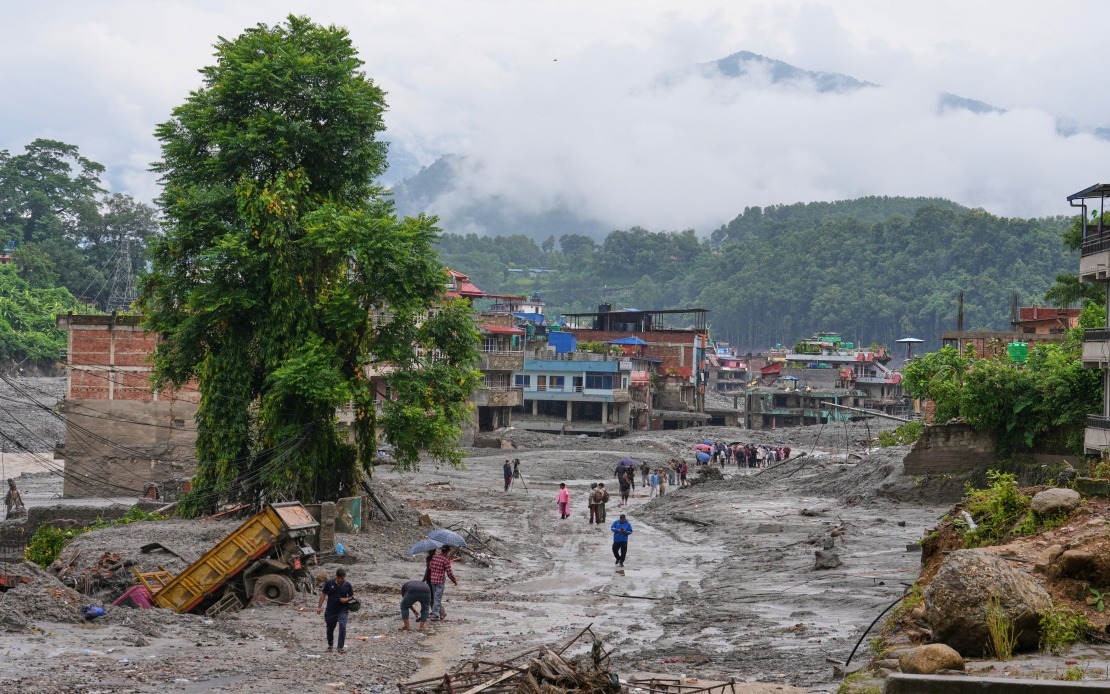
A devastating mudslide in Nepal has claimed at least 675 lives as of Saturday evening, with search and rescue teams racing against time to locate nearly 2,500 missing persons across affected mountain districts. The National Disaster Risk Reduction and Management Authority provided updated figures at 6.30 pm local time, reflecting the scale of one of Nepal's most significant natural disasters in recent years.
The catastrophe has drawn international attention not only for its human toll but also for the large number of tourists caught in the disaster zone. Nepal's Department of Tourism reported that 753 tourists lost contact with authorities as of Saturday afternoon, a figure that underscores the vulnerability of visitors in remote mountainous regions during monsoon season. Among these, 589 were identified as foreign nationals, highlighting the international dimensions of the crisis and raising questions about preparedness and safety protocols for tourists visiting Nepal's trekking routes and popular destinations.
The mudslides have particularly impacted three districts in central Nepal—Rasuwa, Nuwakot, and Dhading—all situated in challenging terrain where rescue operations face significant logistical obstacles. These districts, nestled in the foothills and mountains surrounding Kathmandu Valley, are prone to such disasters during the monsoon season when heavy rainfall destabilises slopes laden with loose soil and rock debris. The concentration of casualties in these three areas suggests that the mudslides may have struck populated settlements or major transit routes where concentrations of residents and travellers were present.
In response to the unfolding emergency, Kathmandu's District Administrative Office mobilised a coordinated relief effort by issuing an urgent appeal on Saturday. The notice called upon associations, institutions, enterprises, and individual citizens throughout Kathmandu to contribute relief supplies to support the affected population in the three hard-hit districts. This grassroots approach to disaster response reflects Nepal's reliance on community participation when government resources are stretched thin across multiple emergency zones.
The scale of missing persons—more than three times the confirmed death count—suggests that many bodies remain trapped under debris or have been swept away by mudslide torrents. In mountainous terrain, recovery operations often extend weeks or months after initial incidents as teams navigate steep slopes and unstable ground conditions. The distinction between missing and confirmed dead carries profound implications for families awaiting news and for authorities planning medium-term recovery strategies.
For Malaysia and other Southeast Asian nations, Nepal's mudslide serves as a sobering reminder of the region's vulnerability to monsoon-related disasters. While Malaysian mudslides and landslides are typically smaller in scale, the underlying risk factors—heavy precipitation, steep topography, and inadequate infrastructure in rural areas—mirror conditions across the region. The presence of nearly 600 foreign tourists among the missing also reflects the growing trend of international tourism in South and Southeast Asian mountain regions, raising questions about whether tourism operators, guides, and local authorities adequately communicate weather risks and evacuation procedures.
The involvement of so many tourists in this disaster highlights the tension between tourism development and natural disaster risk in Nepal. The country's trekking industry, which routes visitors through the very mountains prone to mudslides, generates crucial foreign exchange but simultaneously places travellers in harm's way during monsoon months. This incident may prompt review of trekking season timing and safety protocols across the industry.
Nepal's disaster management authority faces the dual challenge of immediate search and rescue operations whilst simultaneously coordinating humanitarian relief distribution to survivors and affected families. The coordination required to mobilise relief supplies from Kathmandu to remote mountain communities represents a significant logistical undertaking, particularly given limited road infrastructure and ongoing accessibility challenges in the aftermath of the disaster.
International support mechanisms have likely been activated following appeals from Nepal's government, potentially involving neighbouring countries and global humanitarian organisations. The Indian government, which shares porous borders and close ties with Nepal, typically provides rapid assistance during such crises. This multilateral response underscores how environmental disasters transcend national boundaries and demand regional cooperation.
The long-term implications of this disaster extend beyond immediate casualty figures. Survivors face potential displacement, traumatised families require psychological support, and entire communities may require infrastructure reconstruction. Nepal's already-strained healthcare system faces pressure from treating the injured, whilst economic losses from tourism cancellations and property destruction will impact regional development.
For regional observers, the unfolding crisis in Nepal underscores the necessity for enhanced disaster preparedness infrastructure, improved early warning systems, and community-level resilience building throughout South and Southeast Asia. The concentration of missing persons and the involvement of international tourists suggests that better coordination mechanisms between tourism operators, local authorities, and disaster management agencies remain critically underdeveloped. As climate patterns potentially intensify monsoon precipitation, such incidents may become more frequent unless proactive mitigation measures are implemented across vulnerable mountain regions.

