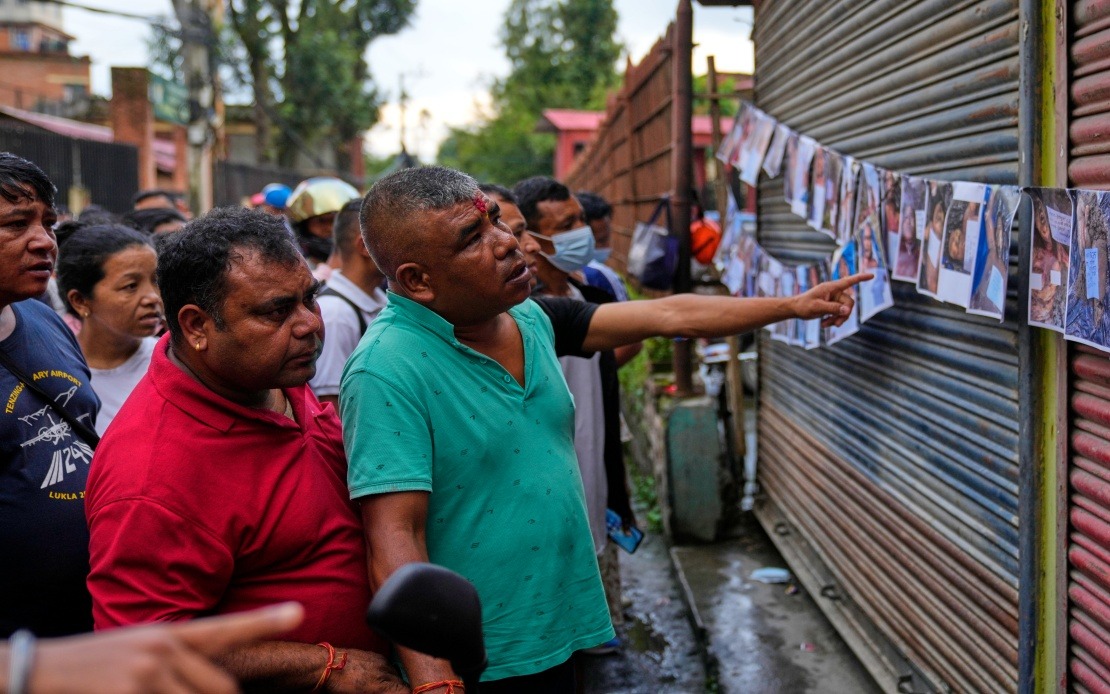
The devastating floods that struck Nepal's northern Rasuwa district on Wednesday morning have claimed more than 500 lives, with search and rescue teams pushing into their third day of intensive operations. As the scale of the catastrophe becomes clearer, Malaysian authorities are racing to account for dozens of their nationals caught in the disaster, which was triggered when a Himalayan glacier unexpectedly collapsed and sent torrents of water cascading through the Bhote Koshi and Trishuli river valleys.
According to Malaysia's Foreign Ministry, two of the 57 Malaysians initially reported as uncontactable have now been successfully located as of Friday afternoon. The remaining 55 nationals remain beyond reach, though officials emphasise that the figure is subject to ongoing verification as information flows in from Nepalese authorities and partner agencies on the ground. This painstaking process of cross-checking reflects the chaos that typically surrounds major disaster zones, where communication networks are disrupted, records scattered, and the situation evolving by the hour.
The challenge facing Malaysian officials in Kathmandu is formidable. Nepal's Department of Tourism released a comprehensive list of 537 foreign nationals from more than 30 countries reported missing following the disaster, with 51 Malaysians appearing on that roster. The list, published by the Ministry of Culture, Tourism, and Civil Aviation, includes critical details such as names, ages, nationalities, and the travel agencies responsible for their trips—information that has become invaluable for families desperately seeking news and for authorities coordinating rescue efforts.
The catastrophic nature of the flooding has overwhelmed rescue infrastructure and even basic logistical systems. While 121 foreign nationals have been pulled from the water and debris, authorities have not yet identified any Malaysians among the rescued. Simultaneously, recovery teams have been discovering bodies and human remains in districts far downstream from the initial impact zone, creating an enormous challenge for identification efforts. Several local morgues have already reached capacity, forcing authorities to establish temporary facilities and hampering the ability to quickly confirm the identities of victims.
The flood itself was sudden and ferocious. On Wednesday morning, the glacial collapse triggered a wall of water that tore through communities along the Bhotekoshi River, obliterating roads, bridges, buildings, and crucial infrastructure in its path. The deluge subsequently merged with the Trishuli River system, compounding the devastation as it surged downstream, sweeping away vehicles, structures, and everything in its trajectory. The force of the waters was so great that entire sections of the region became isolated, cutting off thousands from access to basic services and emergency assistance.
Malaysia's diplomatic response has been swift and coordinated. The National Security Council is in active dialogue with Nepal's government to determine what form of assistance would be most urgently needed and operationally feasible. Prime Minister Datuk Seri Anwar Ibrahim has indicated that Malaysia is prepared to provide multiple forms of support, potentially including direct financial assistance or the deployment of rescue personnel. The Malaysian Special Search and Rescue Team, or SMART, is being considered for deployment, bringing specialised expertise in extracting survivors from debris and challenging terrain.
The involvement of Malaysian rescue teams would represent a significant commitment, as SMART is among the region's most capable disaster response units. Their deployment would signal Malaysia's serious intent to assist and would provide additional personnel and equipment to supplement the already strained Nepalese rescue infrastructure. However, such a deployment requires careful coordination with Nepal's government, assessment of security conditions, and logistical arrangements—factors that take time even in urgent situations.
For Malaysian families with relatives in Nepal during the disaster, uncertainty remains the hardest burden. Tourism to Nepal, particularly trekking expeditions in the Himalayan regions, has grown substantially in recent years, attracting thousands of Southeast Asian travellers annually. The fact that 51 Malaysians were in the affected area reflects this growing travel trend, though it has now transformed into a humanitarian crisis of immediate concern to the nation.
The Foreign Ministry continues its systematic effort to ascertain the precise status and location of every Malaysian national affected by the disaster. This work proceeds on multiple fronts—liaising with travel agencies to cross-reference passenger manifests, coordinating with hospitals and emergency responders in Nepal, and working with families providing information about their missing relatives. Each piece of information helps narrow the search and clarify who remains unaccounted for.
The broader regional context cannot be overlooked. Nepal's tourism sector, which provides vital income for the impoverished nation, has been significantly disrupted. The disaster serves as a sobering reminder of the natural hazards faced by mountainous regions, where climate change may be increasing the frequency and severity of glacial collapses. For Malaysian travellers and the tourism industry supporting them, the incident underscores the importance of robust travel insurance and emergency protocols.
As rescue operations continue and the full extent of the tragedy becomes clearer, Malaysia's coordinated response—combining diplomatic engagement, potential military asset deployment, and systematic verification of citizen welfare—reflects both the seriousness with which the government treats overseas national safety and the practical challenges of disaster response across borders. The hours ahead remain critical for locating survivors, and authorities on both sides remain committed to accounting for every missing person.

