Nepal's former finance minister Bishnu Prasad Paudel was taken into custody late on Monday following allegations of money laundering, according to statements from Nepali police. The detention represents a significant moment in the South Asian nation's ongoing efforts to address financial impropriety, particularly within the context of the current administration's stated commitment to tackling systemic corruption.
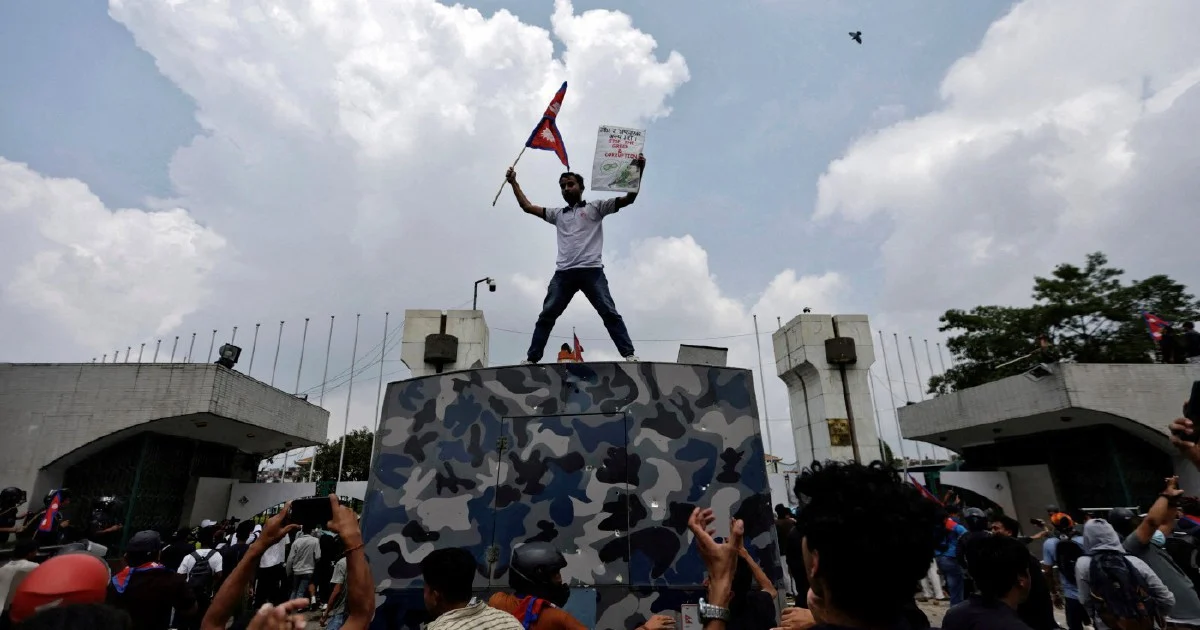
The arrest comes at a time when Nepal's younger generation-led government, which draws considerable backing from Gen Z activists and voters, has made anti-corruption enforcement a centrepiece of its political agenda. This shift reflects broader regional trends across South Asia, where newly empowered youth demographics are increasingly demanding accountability from established political figures and demanding transparency in public financial management. The detention of a former minister signals a willingness among current leadership to pursue cases against predecessors, a move that carries significant political implications for Nepal's institutional stability.
Bishnu Prasad Paudel previously served the Himalayan nation in several capacities throughout his political career, making his arrest particularly consequential. The specifics surrounding the money laundering allegations have not been fully disclosed publicly, though financial crimes of this nature typically involve the concealment of illicit funds through complex transactions designed to obscure their origins. Such allegations, if substantiated, would represent serious breaches of Nepal's financial governance frameworks and public trust.
Nepal's intensifying approach to investigating corruption among former government officials reflects wider regional concerns about financial accountability. Across Southeast Asia and South Asia, governments face mounting pressure to demonstrate tangible progress in combating corruption, which continues to undermine development efforts and public confidence in institutions. The visibility of this arrest—particularly involving a high-ranking former official—sends a message to citizens about the government's seriousness regarding financial misconduct.
The timing of this arrest also warrants consideration within Nepal's broader political context. The nation has experienced significant institutional turbulence over recent years, with multiple government transitions and shifting political coalitions. Against this backdrop, the current administration's emphasis on investigating past administrations could serve multiple purposes: addressing genuine wrongdoing while simultaneously consolidating political support among constituencies frustrated by perceived historical impunity.
Money laundering presents particular challenges for South Asian financial systems, where informal economies remain substantial and regulatory oversight mechanisms continue developing. Nepal's financial sector, like others across the region, faces the dual challenge of modernising its anti-money laundering infrastructure while simultaneously investigating historical cases where such systems were less robust. The case against Paudel will likely test the effectiveness of Nepal's current investigative and prosecutorial capabilities.
For Malaysian observers, Nepal's corruption crackdown illustrates common patterns emerging throughout the region. Malaysia itself has pursued high-profile investigations into former officials, demonstrating how anti-corruption campaigns can reshape political landscapes while establishing precedents for institutional accountability. The regional pattern suggests that addressing financial crimes remains central to restoring public confidence, though implementation consistency varies considerably across different national contexts.
The arrest also raises important questions about potential political dimensions of corruption investigations. While pursuing genuine financial crimes serves legitimate governance objectives, countries must balance accountability with concerns about selective enforcement that could undermine judicial independence. Nepal's courts and prosecutorial authorities will face scrutiny regarding how they handle this case and whether their investigations extend impartially across former administrations regardless of political affiliation.
Looking forward, this case could establish important precedents for how Nepal approaches financial crimes among political elites. Successful prosecution would strengthen institutional credibility, while procedural flaws or perceived political bias could deepen cynicism about the rule of law. For the Gen Z-backed government, translating anti-corruption rhetoric into consistent, credible institutional outcomes represents a crucial test of legitimacy.
The implications for Southeast Asia extend beyond Nepal. Regional governments increasingly recognise that addressing corruption requires not merely arresting suspects but building comprehensive investigative capacity, ensuring transparent proceedings, and demonstrating commitment to pursuing cases regardless of political consequences. How Nepal manages Bishnu Prasad Paudel's case will contribute valuable insights into whether current regional anti-corruption movements represent genuine institutional reform or primarily serve short-term political objectives.

