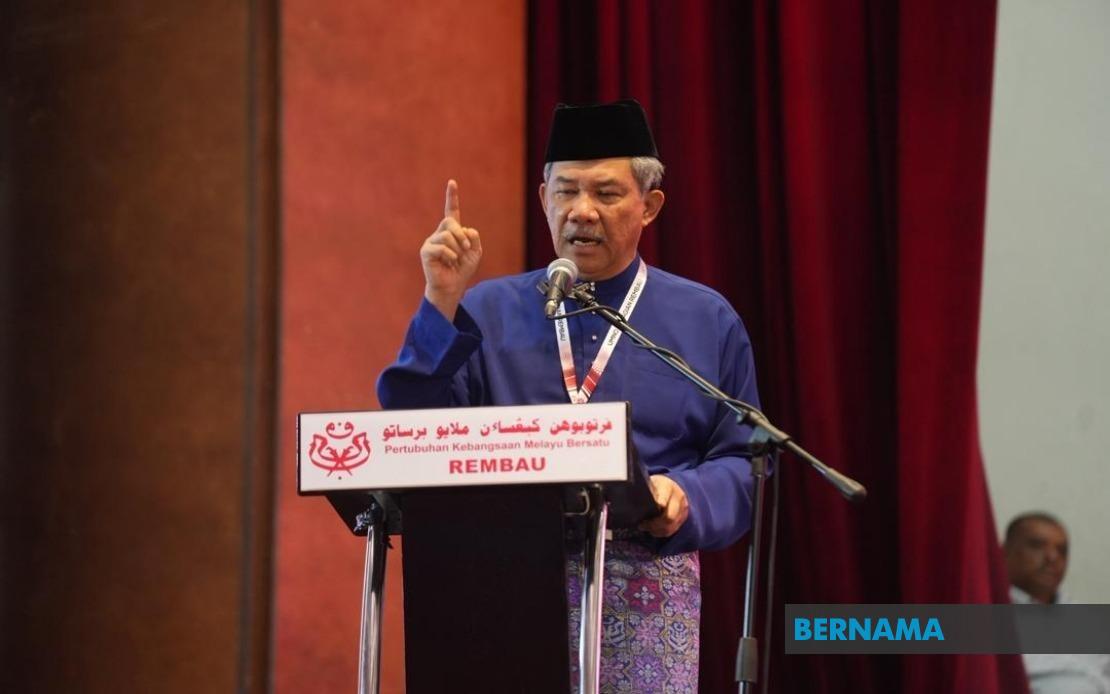
Barisan Nasional Deputy Chairman Datuk Seri Mohamad Hasan has voiced optimism regarding the competence of ten newly sworn-in State Executive Council members in Negeri Sembilan, asserting they are equipped to work effectively alongside the Menteri Besar and execute their prescribed functions across their respective portfolios in service of the state's population.
The Rantau State Assemblyman underscored the multifaceted nature of executive council responsibilities during remarks made in Seremban on August 7. He characterised the role as fundamentally bridging the gap between governmental institutions and civilian communities, requiring simultaneous movement of information and feedback in both directions to facilitate transparent administration.
According to Mohamad, the primary obligation of exco members involves translating and communicating government directives to constituents in comprehensible terms. This advocacy function extends beyond simple announcement of policies; it demands skilled explanation that helps the public understand the rationale, implementation mechanisms, and anticipated benefits of state initiatives. This communication responsibility takes particular importance in Malaysia's federal system, where state governments operate semi-autonomously and must build public buy-in for their programmes.
Equally critical, he emphasised, is the reverse channel through which exco members must channel community concerns upward to decision-makers. The gathering of ground-level grievances, practical suggestions, and grassroots perspectives represents an essential feedback mechanism that prevents policy design from becoming detached from lived reality. By consolidating these inputs across their respective jurisdictions and portfolio areas, exco members can identify implementation gaps and opportunities for programme refinement that enhance outcomes for ordinary residents.
Mohamad stressed that effective exco performance demands comprehensive familiarisation with departmental structures and operational frameworks. He highlighted the necessity for incoming members to undergo detailed briefings from civil service units operating within their assigned portfolios. This transition period is crucial for new exco members to acquire detailed knowledge of existing programmes, budgetary frameworks, personnel structures, and regulatory obligations that will govern their decision-making authority.
The relationship between political executives and permanent bureaucracy requires deliberate cultivation, Mohamad cautioned. Sustained professional rapport between exco members and government departments underpins successful policy implementation. In Malaysia's context, where state-level bureaucracies possess considerable autonomy and institutional memory, maintaining collaborative working relationships proves essential for translating political priorities into administrative action without friction.
The ceremony formalising the appointments occurred when all ten exco members took their oaths of office before the Yang Dipertuan Besar of Negeri Sembilan, Tuanku Muhriz Tuanku Munawir, at Istana Besar Seri Menanti. This constitutional requirement reflects Malaysia's constitutional monarchy framework, wherein state rulers hold ceremonial authority over executive appointments and maintain symbolic oversight of state governance processes.
In remarks touching on political dynamics in neighbouring Melaka, Mohamad indicated that any decision to dissolve the state assembly and trigger fresh elections rests entirely with the Melaka Chief Minister, who must seek the consent of the Yang Dipertua Negeri before proceeding. This observation reflects the constitutional structure governing Malaysia's state governments, where chief ministers possess executive authority but require formal consent from state rulers for critical decisions including assembly dissolution. Such constraints demonstrate how Malaysia's constitutional arrangements balance elected leadership with traditional ceremonial authority at the state level.
The composition and functioning of state executive councils significantly influences policy delivery across Malaysia's thirteen states. These bodies determine how effectively state governments translate electoral mandates into programmes benefiting residents across health, education, infrastructure, and economic development domains. The confidence expressed by Mohamad regarding Negeri Sembilan's incoming exco members represents standard procedural affirmation, yet underscores broader questions about governance capacity and administrative effectiveness in Malaysian state administrations during a period of political consolidation following recent electoral competitions.

