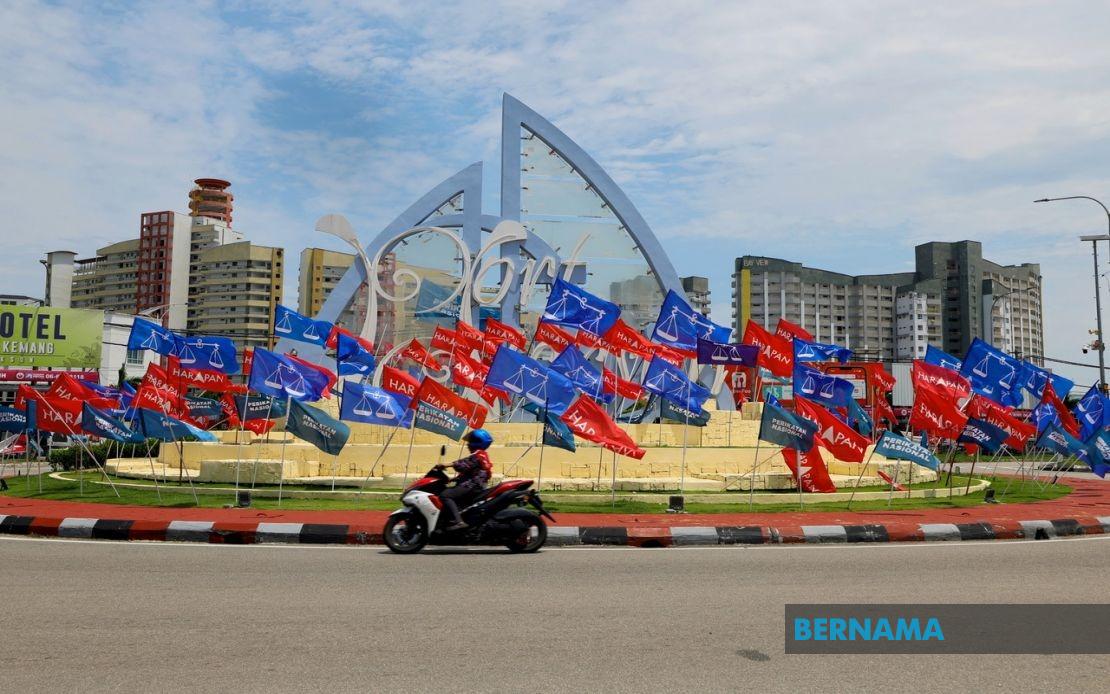
Tomorrow's Negeri Sembilan state election will open under blue skies across the state, but voters heading to the polls in the afternoon should prepare for wet conditions as meteorologists forecast a transition from clear morning weather to severe thunderstorms. The Malaysian Meteorological Department's latest outlook suggests morning hours will offer ideal polling conditions, with most areas enjoying sunshine from dawn through midday across the state's seven districts of Seremban, Jempol, Jelebu, Kuala Pilah, Tampin, Port Dickson and Rembau.
The state's electoral machinery stands ready to accommodate its substantial electorate. A total of 401 polling stations will welcome voters from 8 am through 6 pm on August 1, utilising schools, community halls and tertiary institutions as venues. This infrastructure is designed to process approximately 867,151 ordinary voters who will select from 103 candidates vying for 36 state assembly seats. The scale of this operation underscores the logistical complexity required for managing elections across disparate geographic areas, from Port Dickson's coastal reaches to the inland constituencies of Kuala Pilah and Jelebu.
The afternoon weather deterioration presents practical challenges for polling operations and voter participation. Heavy rainfall and thunderstorm conditions typically dampen turnout, particularly among elderly voters, those with mobility challenges, and working-class citizens unable to leave employment early. Election officials will need to ensure contingencies are in place at stations vulnerable to water ingress or temporary power disruptions. The evening hours leading up to the 6 pm close could prove particularly difficult for final-hour voters attempting to exercise their franchise amid adverse conditions.
The political landscape presents a fragmented contest reflecting broader Malaysian polarisation. Pakatan Harapan fields candidates across all 36 seats, positioning itself as the broadest opposition coalition in this contest. Barisan Nasional contests 25 seats, signifying its strategic focus on winnable territory rather than comprehensive saturation. Parti Pribumi Bersatu Malaysia's 24 candidates indicate substantial presence, while Perikatan Nasional's 11 nominations suggest focused efforts in stronghold constituencies. Four independent candidates complete the field, representing either defectors from established parties or grassroots challengers without formal party machinery. Smaller parties including Berjasa, ASLI and PSM each field sole representatives, likely symbolic candidacies in constituencies where these organisations lack realistic pathways to victory.
This configuration reflects the internal realignments afflicting Malaysian politics following the 2022 general election and subsequent constitutional developments. The simultaneous presence of both Bersatu and Perikatan Nasional fielding candidates demonstrates unresolved tensions within what was envisioned as a unified Malay-Muslim political force. Similarly, Barisan Nasional's measured candidate deployment suggests recognition that retaining former strongholds presents more viable objectives than recapturing lost territory in urban centres likely dominated by opposition sentiment.
Voter demographics will significantly influence outcomes in a contest featuring relatively balanced competition. The 867,151-strong electoral roll represents a cross-section of Malaysian society spanning rural agricultural communities, suburban homeowners and urban professionals. Negeri Sembilan's strategic location between the Klang Valley and southern Pahang positions it as neither overwhelmingly rural nor predominantly urban, creating swing constituency dynamics that magnify uncertainty.
The weather forecast's implications extend beyond mere comfort considerations. Afternoon storms may suppress turnout unevenly across constituencies, potentially advantaging parties with superior ground organisation and voter motivation mechanisms. Constituencies with predominantly elderly populations or longer travel distances to polling stations may experience disproportionate abstention during thunderstorm hours. Conversely, parties demonstrating stronger volunteer mobilisation could offset weather-related participation challenges through targeted transport and reminder systems.
Logistical preparations have presumably accounted for meteorological variables. Poll workers will require shelter provisions and contingency arrangements for power supply integrity. Ballot papers and voting materials demand protection from moisture damage throughout the polling period. Vehicle access to remote polling stations may be compromised if evening downpours generate flooding conditions on secondary roads serving rural constituencies.
The election results will reverberate throughout Malaysian politics regardless of immediate local significance. A state election serves as bellwether for broader political sentiment, testing incumbent performance and gauging opposition viability ahead of subsequent nationwide contests. Analysts will parse results through lenses of urban versus rural performance, youth engagement, and demographic voting patterns.
For Malaysian readers particularly, Negeri Sembilan's election outcome carries implications for federal coalition stability. The state's 36 seats do not independently determine national government formation, yet demonstrable voter preferences resonate through political calculations in Kuala Lumpur. Should either the governing coalition or opposition blocs achieve particularly emphatic victories, such results strengthen their negotiating positions in subsequent constitutional moments or confidence votes.

