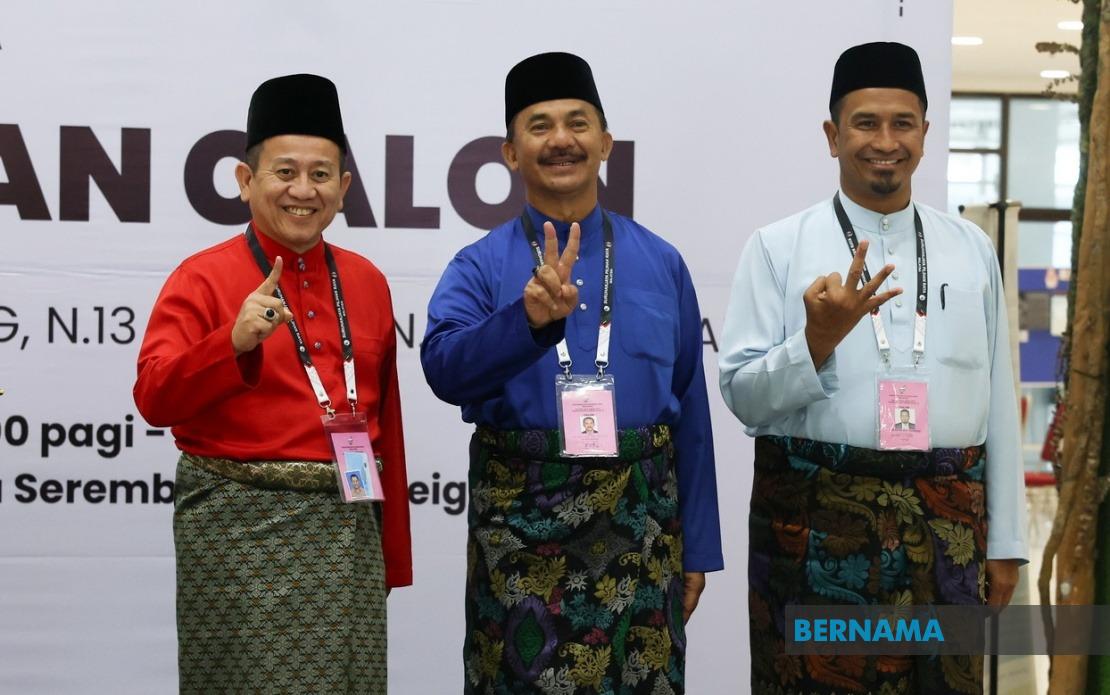
The 16th Negeri Sembilan State Election will feature a notably refreshed candidate pool, reflecting a broader trend of political renewal across Malaysia's coalition landscape. With a total of 103 candidates confirmed after nomination papers closed, the August 1 polling will present voters with a compelling mix of established figures and political newcomers across the state's 36 Legislative Assembly seats. This combination of experienced politicians and fresh entrants suggests political parties are attempting to balance continuity with new momentum as they bid to capture or retain power in the peninsular state.
Pakatan Harapan, contesting all 36 seats, is fielding 24 new candidates alongside 12 incumbents and familiar figures, demonstrating a deliberate strategy to inject youthful energy into its campaign while retaining experienced hands. The coalition's decision to introduce nearly two-thirds of its candidates as first-time contestants reflects broader questions about party succession planning and whether new blood can energise voter turnout. Among PH's established names is Transport Minister Anthony Loke, DAP's Secretary-General, who will defend the Chennah seat, providing the coalition with a recognisable anchor in one of the state's key constituencies.
A significant development within PH is the repositioning of Negeri Sembilan PH Chairman Datuk Seri Aminuddin Harun, who is vacating the Sekamat seat to contest Linggi instead. This strategic shift indicates internal party calculations about where leadership presence will prove most valuable in the coming contest. The decision to move Aminuddin, rather than retiring him, suggests PH views him as crucial to overall campaign success despite relinquishing his previous constituency.
Barisan Nasional's approach mirrors PH's generational balance, fielding 13 new candidates among its 25 contestants. The coalition's retained candidates include heavyweight figures such as Foreign Minister Datuk Seri Mohamad Hasan, UMNO's Deputy President, who will defend the Rantau seat. Similarly, Negeri Sembilan BN Chairman Datuk Seri Jalaluddin Alias, who successfully won the Pertang seat in the 2023 state election, will seek re-election from the same constituency. However, BN is also managing internal shifts, with Datuk Ismail Lasim abandoning the Senaling seat he previously won to contest Juasseh, a move that may reflect either party preference or local dynamics.
Perikatan Nasional's campaign involves 11 seats across its coalition partners, including PAS, Gerakan, Wawasan, and the Malaysian Indian People's Party, each contributing a blend of new and returning candidates. This diverse partnership structure demonstrates the ongoing fragmentation within Malaysia's opposition politics, where multiple coalitions now compete rather than a unified alternative to government. The complexity this creates for voters in Negeri Sembilan underscores the increasingly multipolar nature of Malaysian electoral competition.
Bersatu presents a particularly intriguing dimension to this election, fielding 24 candidates under its own party logo rather than the Perikatan Nasional banner it wore during the 2023 state election. This organisational shift signals potential internal tensions or strategic repositioning within the broader opposition alliance. Among Bersatu's candidates is Information Chief Datuk Tun Faisal Ismail Aziz, representing the party's new face contingent, while Negeri Sembilan Bersatu Chairman Hanifah Abu Bakar defends the Labu seat as an incumbent.
Beyond the major coalitions, smaller parties including Parti Berjasa, Parti Orang Asli Malaysia, and Parti Sosialis Malaysia will each field single candidates, while four independent candidates seek election. This extended roster reflects the widening of Malaysia's political space, where alternatives to established coalitions persistently emerge despite facing structural disadvantages. For Negeri Sembilan voters, the presence of these fringe options adds texture to campaign discourse, though their electoral impact typically remains marginal.
The age diversity among candidates provides further insight into the generational character of this election. The oldest contender is Datuk Abd Latiff A Tambi, the PH candidate for Gemencheh, at 70 years old, while the youngest is Bersatu's Sri Tanjung candidate Leevineshwaraan Murugan, just 23 years old. This forty-seven-year span encapsulates the full breadth of adult political experience, from those who witnessed Malaysia's independence era politics through to digital-native politicians entering formal politics for the first time. The presence of such youth-end candidates reflects parties' attempts to appeal across generational divides, though questions remain about whether truly young politicians can secure traction in state-level contests.
The electoral timeline provides candidates and voters with specific preparation windows. Early voting is scheduled for July 28, allowing those unable to vote on polling day a designated opportunity. The Election Commission's setting of August 1 for the main poll creates a three-week campaign window following nomination closure on July 18, a compressed timeframe that may advantage established political machinery and incumbent advantage.
For Negeri Sembilan's electorate, the prevalence of new faces across competing coalitions offers genuine choice beyond incumbent re-election dynamics. Rather than presenting a coronation of sitting assemblymen and women, this election invites voters to evaluate fresh candidates' platforms and credentials. This democratising effect, should voters engage meaningfully with newcomers rather than defaulting to party loyalty, could reshape the state's political composition.
The broader significance of Negeri Sembilan's electoral dynamics extends beyond the state itself. As a swing state that has alternated between coalition control in recent elections, it serves as a bellwether for national political sentiment. The strategic decisions by PH, BN, PN and Bersatu regarding candidate selection in this state likely preview their approaches to other anticipated state elections and the looming federal contest. How effectively new candidates mobilise support versus incumbent advantage reasserts itself will provide crucial indicators about voter appetite for political renewal versus continuity across Malaysian politics more broadly.

