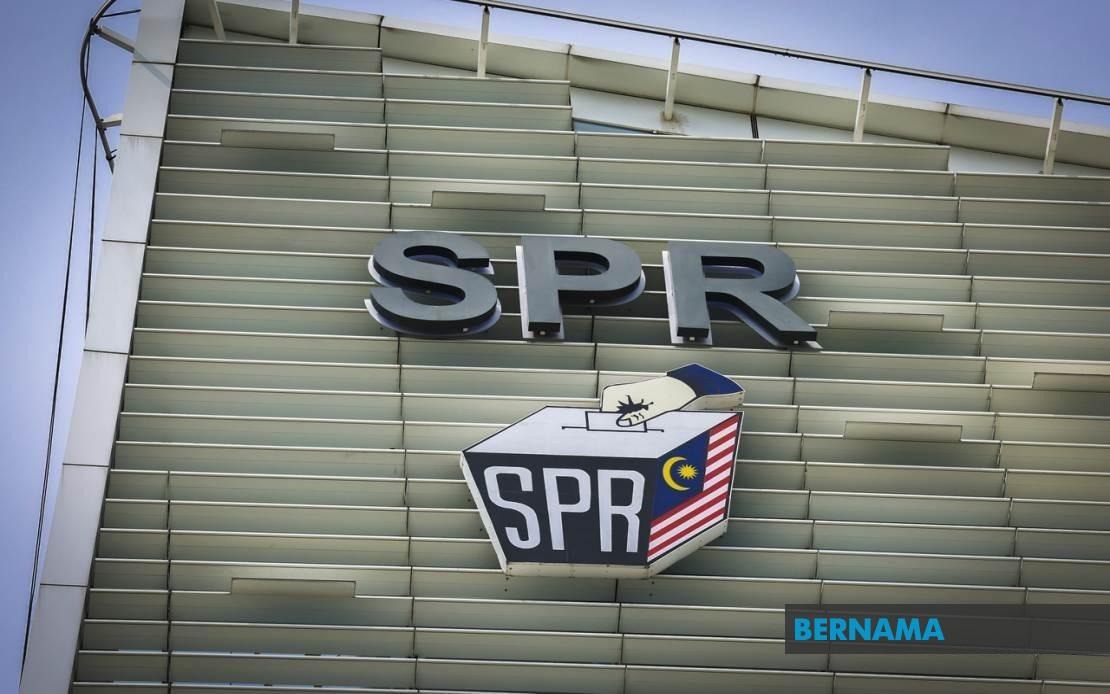
The race to control the Negeri Sembilan State Legislative Assembly enters its formal phase tomorrow as nomination day marks the official start of a two-week campaign blitz. The Election Commission has designated eight nomination centres across the state where prospective candidates will lodge their papers between 9 am and 10 am, with returning officers to announce the final roster of contestants eligible to stand once documentation is verified.
With the poll scheduled for August 1, preceded by early voting on July 28, political coalitions have largely settled on their candidate lineups as the competition shapes up across the 36 available seats. The electoral battleground reflects the three-way contest that has come to define Malaysian state politics in recent years, with the major blocs preparing to defend or reclaim ground in a state that has experienced shifting allegiances.
Pakatan Harapan will mount the broadest challenge, contesting every single seat with a slate combining 16 candidates from PKR, 11 from DAP and nine from Amanah. This total engagement reflects PH's position as the incumbent coalition following its 2023 victory, when it secured 17 of the 36 seats. The distribution of nominations across the coalition's three components suggests an effort to maintain its multi-ethnic appeal while balancing representation among Malay-Muslim and non-Malay constituencies.
Barisan Nasional, seeking to recover from its 2023 setback when it captured only 14 seats, will field 25 candidates across three component parties. UMNO will carry the bulk of the traditional coalition's challenge with 16 nominees, while MCA fields seven and MIC contributes two. This reduced scale compared to PH's full complement suggests either tactical decisions to avoid three-way splits or limitations in identifying viable candidates in certain constituencies where the coalition faces structural disadvantages.
Perikatan Nasional's campaign configuration reveals both the coalition's expanding membership and internal complications. The bloc will contest 11 seats through its established partners—PAS fielding five, Gerakan and MIPP each one—and notably through Wawasan, its newest component party making its inaugural electoral appearance with four nominees. However, Bersatu, another PN member, has opted to contest independently under its own party symbol, a move reflecting tensions within the coalition that have periodically surfaced at both national and state levels. Bersatu's separate candidacy adds unpredictability to vote division, particularly in constituencies where PN members might otherwise consolidate opposition support.
The broader political field includes smaller and fringe parties seeking to establish beachheads. Parti Sosialis Malaysia and Parti Orang Asli Malaysia will each field single candidates, whilst Berjasa is anticipated to nominate seven contenders. Meanwhile, MUDA, Pejuang and Bersama have confirmed they will not participate, a strategic calculation reflecting either resource constraints or tactical positioning ahead of future contests. The Malaysian Meteorological Department has forecast afternoon thunderstorms across the state on polling day, though morning conditions are expected to remain largely clear except in Port Dickson and Seremban.
The voter roll comprises 889,490 eligible participants: 867,151 ordinary voters supplemented by 16,884 military and police personnel together with their spouses. This composition, with its small proportion of uniformed personnel ballots, suggests the outcome will be determined overwhelmingly by civilian voters distributed across the 36 constituencies. The electorate's size means that winning margins in individual seats could prove decisive in determining overall control of the state assembly.
The 2023 election provided the baseline from which all contestants now operate. PH's 17-seat majority, though comfortable, was not overwhelming, particularly given the coalition's loss of ground in rural Malay-Muslim constituencies where PAS and UMNO maintain traditional strength. BN's 14 seats preserve significant legislative presence, whilst PN's five seats, though modest, represent growing influence in specific constituencies. These results suggest a competitive landscape where regional variations matter considerably more than uniform national trends.
Negeri Sembilan has assumed particular significance within the broader Malaysian political narrative. As a state where Malay-Muslim voters constitute a decisive portion of the electorate, its outcomes carry implications for how the contest between Pakatan Harapan's multiethnic model and more communally-focused alternatives is playing out. The state's geographic proximity to the Klang Valley and its own economic integration into the broader Kuala Lumpur metropolitan system mean that urban-rural divides and class-based voting patterns intersect with established communal alignments in complex ways.
The Election Commission's procedural reminders to candidates reflect administrative best practice but also acknowledge potential complications that arise during nomination submissions. The invitation for candidates to pre-verify documentation and settle election deposits in advance attempts to streamline the formal process and reduce last-minute difficulties. These bureaucratic measures, whilst seemingly routine, can occasionally influence viability, particularly for candidates from resource-constrained parties or independents lacking institutional support structures.
The dissolution of the state assembly on June 5 with the Yang Dipertuan Besar's consent followed constitutional protocols, though the timing and triggering circumstances remain politically significant. State elections in Malaysia do not follow fixed schedules but rather occur when sitting assemblies are dissolved or five-year terms expire. The decision to advance this election from its natural timeline carried implications for campaign preparation across all contending parties and potentially influenced candidate selection strategies as organisations assessed optimal election dates.
With the nomination period now formally commencing, the fourteen-day campaign will intensify focus on individual constituencies, local grievances and regional variations in national issues. The intensity of competition across 36 seats simultaneously, with multiple parties contesting most of them, suggests a campaign environment considerably more complex than straightforward two-cornered contests. Voter attention will necessarily fragment across numerous simultaneous campaigns, with local factors potentially outweighing broader party narratives in determining individual seat outcomes.

