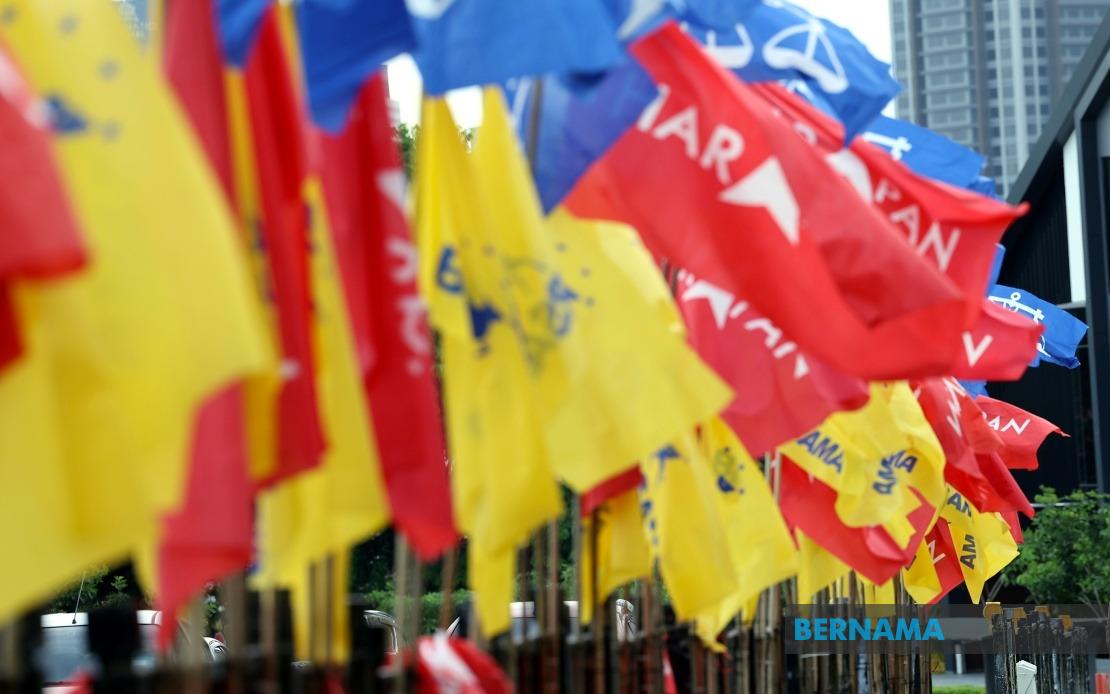
The Negeri Sembilan Palace has issued a pointed directive to all political parties participating in the upcoming 16th state election, instructing them to refrain from invoking the royal institution as part of their campaign strategies or public messaging. The stern reminder comes at a critical juncture in the electoral calendar, as candidates prepare to mobilise voters in what is shaping up to be a closely watched contest in the peninsular state.
Datuk Azizi Mohamad Ali, the Comptroller of the Negeri Sembilan Royal Household, delivered the palace's unambiguous position in a statement released on July 27. He emphasised that the monarchy maintains an unwavering stance of political neutrality, refusing to align itself with any political party or endorse any electoral activity. This declaration underscores the constitutional principle that Malaysia's royal institutions transcend partisan politics and remain above the fray of electoral competition.
The palace has framed the monarchy's role in explicitly institutional terms, positioning it as a unifying symbol that bridges communal and social divides within Negeri Sembilan. According to the palace's position, the ruler and the broader royal household function as custodians of the state's harmony, stability, and overall well-being. This framing reflects a broader understanding in Malaysian constitutional practice that the monarchy serves as an anchor for national and state cohesion during periods of political contestation.
Critically, the palace issued an outright denial of any linkages between the royal institution and specific political factions. The Comptroller's statement flatly rejected all allegations, statements, imagery, videos, or other materials that purport to connect the Negeri Sembilan Palace, His Royal Highness the Ruler, or members of the royal family to any political party. Such categorical denials suggest that the palace has detected or received intelligence about attempts to co-opt royal symbols or insinuate tacit royal endorsements during campaign activities.
The palace has specifically cautioned candidates against the exploitation of sensitive issues, particularly those concerning religion, royalty, and race—collectively referred to as 3R issues in Malaysian political discourse. These subjects carry heightened sensitivity in Malaysia's plural society, where careful navigation of religious and communal sensitivities is viewed as essential to social stability. By warning candidates to conduct their campaigns prudently, ethically, and in strict accordance with electoral law, the palace has effectively raised the stakes for any political actor who strays into forbidden territory.
The timing of this statement reflects the administrative reality that the Negeri Sembilan State Legislative Assembly was dissolved on June 5, setting in motion the machinery for a new electoral cycle. Early voting took place on July 28, with the main polling day scheduled for August 1. This compressed timeline means candidates have limited opportunity to course-correct if they have already engaged in practices the palace now condemns, adding urgency to the palace's warning.
The palace has simultaneously appealed to the broader public to exercise discernment and resist the spread of unverified information circulating in the electoral environment. By directing citizens to rely exclusively on the Negeri Sembilan Palace's official communication channels for authentic information, the household has sought to combat potential misinformation campaigns that might exploit the monarchy's image. This appeal recognises the sophisticated information environment in which modern elections occur, where false claims and doctored content can spread rapidly through social media and messaging platforms.
For Malaysian observers and particularly those in Negeri Sembilan, the palace's statement carries several implications. It signals that electoral actors have been pushing boundaries in their attempt to mobilise support, whether through misrepresentation or genuine misunderstanding of the monarchy's constitutional position. The forceful nature of the statement suggests the palace views the problem as sufficiently serious to warrant public intervention, something that does not occur routinely.
The palace's emphasis on cooperation and mutual respect also reflects a concern about the institutional integrity of the monarchy itself. By positioning the royal household as a victim of potential exploitation rather than as a neutral observer, the palace has elevated the stakes for political actors who might consider invoking royal symbols. The warning carries an implicit message that breaches of this boundary could invite not only palace rebuke but potentially legal consequences, given the sensitivity surrounding issues affecting the monarchy in Malaysian law.
For candidates and political parties, the palace's intervention establishes clear boundaries for acceptable campaign conduct. This is particularly important in Negeri Sembilan, where the monarchy retains considerable symbolic weight and where electoral outcomes can hinge on perceptions of royal preference or support. The palace's insistence on neutrality, while protecting the institution's political standing, also provides cover for electoral processes that may produce outcomes the monarchy would privately prefer to avoid.
The broader regional context matters here as well. Across Southeast Asia, questions about the relationship between traditional institutions and democratic politics remain contested terrain. Malaysia's approach, whereby the monarchy explicitly asserts its political neutrality while simultaneously defending its institutional prerogatives, represents a particular model of reconciling monarchical traditions with electoral democracy. The Negeri Sembilan Palace's statement reflects and reinforces this model.
As voters prepare to cast their ballots, the palace's intervention serves as a reminder of the unwritten rules governing Malaysian electoral politics. While parties may compete vigorously for votes, certain boundaries—particularly those involving the monarchy, religion, and racial sensitivities—remain firmly enforced by Malaysia's institutional guardians. The palace's statement transforms these informal norms into explicit warnings, signalling that any political actor who miscalculates regarding these sensitivities does so at considerable risk.

