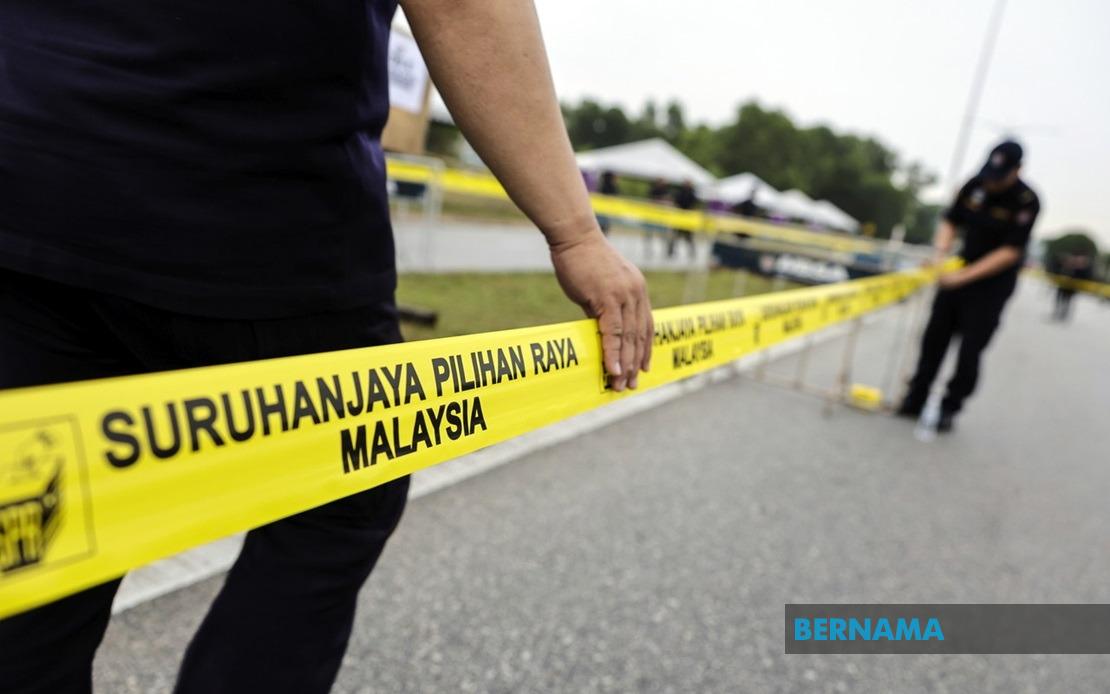
Negeri Sembilan voters and candidates preparing for the state's 16th general election will encounter mostly favourable conditions on nomination day, though meteorologists are warning of potential afternoon disruptions across the peninsula. The Malaysian Meteorological Department has released a nuanced forecast suggesting that while morning hours should remain largely dry in most districts, the afternoon will bring thunderstorm activity to several parts of the state.
According to Dr Mohd Hisham Mohd Anip, MetMalaysia's director-general, the northern and central districts of the state are expected to enjoy clearer skies during the critical morning hours when nomination centres operate. Jelebu, Jempol, Kuala Pilah, Rembau and Tampin should remain unaffected by significant precipitation, offering optimal conditions for candidates to submit their nomination papers. However, Port Dickson and Seremban, the two population centres most crucial to the electoral process, face a higher likelihood of rain during the morning period, potentially affecting voter movement and candidate operations in these urban constituencies.
The meteorological department's assessment emphasises that while afternoon thunderstorms are anticipated across most districts, the anticipated rainfall should present no severe challenges to the electoral process or public participation. Dr Mohd Hisham characterised the expected precipitation as transient phenomena rather than sustained downpours, suggesting that afternoon showers will likely be brief and scattered rather than concentrated heavy falls. This distinction carries practical significance for election officials and candidates who must manage large gatherings and voter movements throughout the day.
Temperature conditions are expected to remain consistent with typical July patterns in the state, with overnight lows hovering between 23 and 24 degrees Celsius and daytime highs reaching 32 to 33 degrees Celsius. Such conditions, while warm, fall within the normal range for Peninsular Malaysia's west coast during the monsoon transition period. The meteorological department has urged all participants in the electoral process—including candidates, their supporters, election workers and the broader public—to monitor the MetMalaysia website continuously for real-time updates, acknowledging that weather patterns can shift rapidly during this season.
The nomination process itself represents a carefully choreographed exercise involving eight designated nomination centres throughout Negeri Sembilan. These centres will operate within a compressed two-hour window beginning at 9 am and concluding at 10 am, after which returning officers will formally announce confirmed candidates. This tight scheduling places particular importance on weather forecasts that might influence candidate attendance and public movement, making MetMalaysia's guidance instrumental for electoral logistics.
Negeri Sembilan's electoral landscape has evolved significantly since the dissolution of the State Legislative Assembly on June 5. Pakatan Harapan has committed to contesting all 36 seats, with PKR fielding 16 candidates, DAP presenting 11, and Amanah putting forward nine aspirants. Barisan Nasional has declared its participation in 25 seats, with UMNO contributing 16 candidates, MCA providing seven, and MIC fielding two. This coalition strategy reflects the traditional binary competition that has characterised Malaysian state politics, though the electoral dynamics have become considerably more complex.
Perikatan Nasional has signalled its intention to contest 11 seats through a multi-party arrangement, including five candidates from PAS, four from Parti Wawasan Negara, one from Gerakan, and one from the Malaysian Indian People's Party. This configuration demonstrates the coalition's expansion beyond its core Islamist constituency, attempting to broaden appeal across demographic lines. Additionally, several smaller parties have announced participation: Parti Orang Asli Malaysia, Parti Sosialis Malaysia, and Parti Barisan Jemaah Islamiah Se-Malaysia, each fielding single candidates to contest specific seats or make broader political statements.
Bersatu's expected announcement later on nomination day will complete the filing of candidate lists, though the party's ultimate contest strategy remains unclear given its recent political realignments and changing coalition preferences. The Negeri Sembilan electorate has matured considerably, with 889,490 registered voters now eligible to participate in the August 1 polling day. This voter roll comprises 867,151 ordinary voters alongside 16,884 military personnel and their spouses, plus 5,455 police officers who will exercise early voting rights on July 28.
For Malaysian observers and regional analysts, the Negeri Sembilan election carries significance beyond the state's immediate political future. As one of Malaysia's smaller states by population, it frequently serves as a testing ground for electoral strategies and coalition dynamics that subsequently influence federal politics. The configuration of coalitions and candidate distributions revealed through nomination day filings will provide valuable insights into how major political blocs are positioning themselves following the previous general election's fragmented outcomes. The weather forecast, while seemingly procedural, takes on practical importance given that nomination day operations occur in public spaces where participation depends partly on atmospheric conditions.

