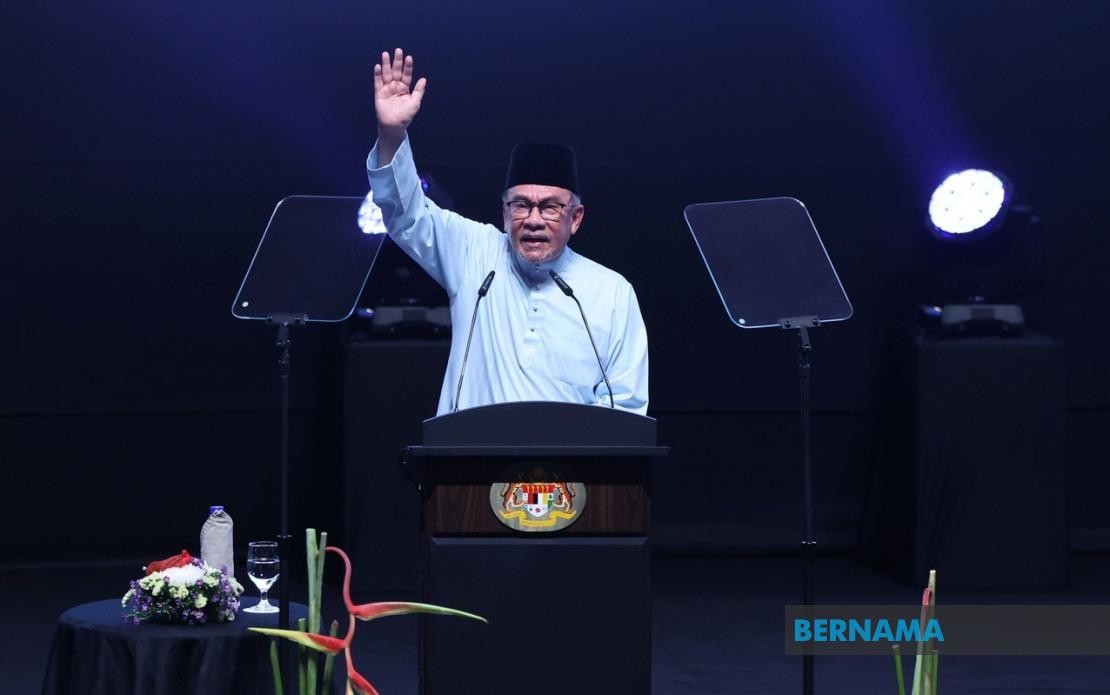
The Ministry of National Unity confirmed on Thursday that the Prime Minister's address ceremony for Malaysia's 2026 National Day celebrations will take place at the Putrajaya International Convention Centre at 2 pm, marking a significant departure from the original venue and timing. This scheduling decision represents a strategic adjustment aimed at safeguarding attendees while maintaining the ceremonial significance of the occasion, one of the nation's most important annual gatherings where the government's vision and national priorities are articulated to citizens.
The relocation from Dataran Merdeka in Kuala Lumpur to the Putrajaya venue was necessitated by prevailing haze conditions across several states, with meteorological authorities warning of persistent air quality challenges. The National Day and Malaysia Day 2026 Celebration Working Committee, operating under the Ministry of Communications, determined that moving the proceedings indoors to an air-conditioned facility would better protect both dignitaries and the general public from prolonged exposure to unhealthy atmospheric conditions. Such practical considerations reflect Malaysia's increasingly cautious approach to outdoor public gatherings during seasons affected by transboundary haze.
The Malaysian Meteorological Department had previously advised that haze concentrations were anticipated to remain elevated across major economic and administrative zones including Johor, Melaka, Negeri Sembilan, Selangor, Kuala Lumpur, and Putrajaya, with forecasts suggesting these conditions would persist until the end of August. Sabah was similarly expected to experience hazy weather from the announcement date onward. By shifting the ceremony indoors and to a dedicated convention facility, organisers addressed multiple operational challenges simultaneously: maintaining air quality for attendees, ensuring reliable amplification and broadcast capabilities, and enabling comprehensive security protocols in a controlled environment.
The Ministry emphasised that the 2026 ceremony serves as a crucial platform for the MADANI government to articulate its aspirations and galvanise national spirit. National Day celebrations in Malaysia carry profound symbolic weight, functioning as occasions when citizens across the federation reflect collectively on their constitutional independence and shared national identity. The Prime Minister's address during this ceremony traditionally sets the tone for national discourse over the coming months, outlining policy directions, celebrating achievements, and reinforcing the government's commitment to prosperity and unity.
According to the Ministry's statement, the ceremony aims to kindle the flame of independence and deepen patriotic sentiment among Malaysians from all backgrounds and communities. This annual reaffirmation of national values has taken on heightened importance in recent years as Malaysia navigates complex challenges ranging from economic restructuring to demographic shifts and regional geopolitical pressures. The MADANI framework, which the government has positioned as a comprehensive governance philosophy, will likely feature prominently in the Prime Minister's remarks, offering citizens a window into medium-term policy priorities and the administration's vision for national development.
The Ministry's invitation to all Malaysians to participate reflects the inclusive philosophy underlying these celebrations. National Day in Malaysia transcends partisan politics, theoretically bringing together citizens regardless of political affiliation, economic status, or ethnic and religious background. The 2 pm timing, positioned in the afternoon rather than earlier morning hours, may also facilitate broader participation from various segments of society, including those with work commitments or family responsibilities during typical morning schedules. By moving to a major convention centre equipped with modern facilities, organisers could accommodate larger crowds than might have been feasible at Dataran Merdeka during adverse weather conditions.
The decision to relocate underscores the practical challenges that haze pollution presents to Malaysia's public life and governance. The phenomenon, often attributed to agricultural burning in neighbouring Indonesia during specific seasonal windows, has become increasingly disruptive to planned events and outdoor activities. Malaysia's responses have evolved from simple postponements to more sophisticated logistical solutions, such as securing indoor venues capable of hosting major state ceremonies. This adaptation reflects both the regularity with which transboundary haze now affects the country and the determination of authorities to maintain essential national traditions regardless of environmental obstacles.
From a Southeast Asian perspective, Malaysia's approach to managing such ceremonial disruptions carries broader implications. Other nations in the region facing similar haze challenges may observe how Malaysia balances environmental pragmatism with the symbolic importance of national celebrations. The relocation also demonstrates the adequacy of Malaysia's institutional infrastructure, with facilities like PICC capable of supporting major governmental events on short notice. Such flexibility and planning capacity are hallmarks of mature administrative systems that can adapt to unforeseen circumstances without compromising the dignity or significance of important occasions.
The Ministry's emphasis on health, safety and comfort reflects evolving standards for public events in Malaysia, particularly regarding environmental quality and attendee welfare. These considerations have become non-negotiable elements of event planning in the region, reflecting public health awareness and government accountability to citizens. By proactively adjusting venue and timing rather than proceeding as originally planned, the government signalled that public wellbeing takes precedence over adherence to established traditions, a nuanced position that respects both ceremonial importance and contemporary health imperatives.
For Malaysian citizens and international observers, this adjustment offers insights into how the MADANI government prioritises competing demands and makes practical governance decisions. The willingness to alter longstanding arrangements at Dataran Merdeka, a site laden with historical significance for Malaysian independence, demonstrates both respect for practical realities and confidence that the ceremony's essential meaning transcends its physical location. The Prime Minister's address will carry the same policy weight and historical resonance regardless of venue, while the movement to PICC ensures that the message reaches audiences in optimal conditions for listening, understanding, and engaging with national leadership.

