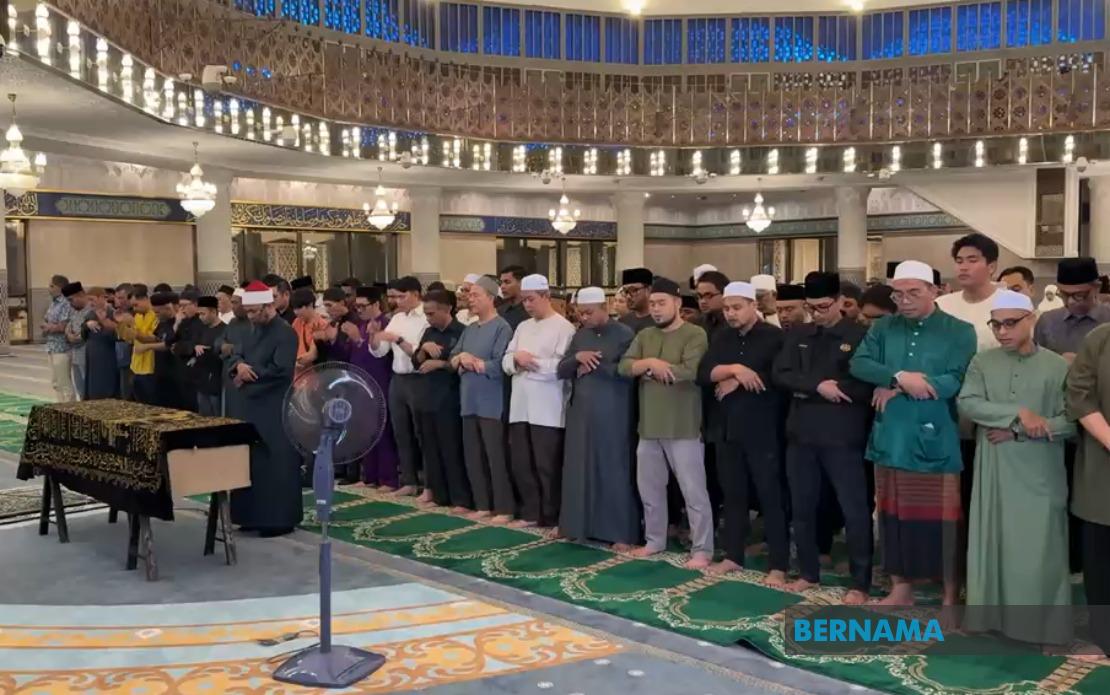
The remains of Datuk Kamil Misuari, spouse of Women, Family and Community Development Minister Datuk Seri Nancy Shukri, received final rites at Kuala Lumpur's National Mosque on the evening of June 18, marking a somber moment for the minister's family and wider political circles. Following the completion of funeral prayers, his body was transferred to Kuala Lumpur International Airport for a flight to Sarawak, where he would be laid to rest according to family wishes and religious observance.
The sequence of events unfolded throughout the evening at Ampang Hospital, where the deceased had been receiving treatment. The funeral process commenced at 9 pm with the ritual washing of the remains, a significant religious requirement in Islamic tradition. This initial ceremony took place within the hospital's facilities, allowing medical staff to coordinate the transition from healthcare setting to funeral arrangement.
At 10 pm, the body was transported to the National Mosque in the capital, facilitating an opportunity for family, close associates, and colleagues to gather for final respects before the formal funeral prayers. This public aspect of the funeral arrangements reflected the deceased's standing as a family member of a senior government minister, enabling the political establishment and extended social networks to acknowledge his passing appropriately.
The scheduled funeral prayer service began at 10.50 pm, conducted according to Islamic rites. These prayers represent a critical spiritual component of Muslim funeral ceremonies, performed by the community to seek divine mercy for the deceased and to allow attendees to express their condolences and support for the bereaved family. The ceremony's timing in the evening reflected both practical logistical considerations and religious preferences.
Education Minister Fadhlina Sidek was among the notable government figures present at Ampang Hospital during the arrangements, underscoring the cross-ministerial nature of political networks in Malaysia's cabinet. Her attendance illustrated the broader governmental acknowledgment of Nancy Shukri's loss and the significance of providing collegial support during a family's time of grief.
Following the completion of prayers at the National Mosque, the remains were transported to Kuala Lumpur International Airport at 11.20 pm for the overnight flight to Sarawak. This repatriation process honored the family's preference for the deceased to be buried in Sarawak, where familial and ancestral ties appeared to hold significance for the Misuari family.
The late Datuk Kamil Misuari had been hospitalized since the preceding Friday, with his medical condition experiencing a significant deterioration during the afternoon hours prior to his death. The duration of his hospitalization suggested an acute health event that ultimately proved critical, though specific medical details were not disclosed publicly to respect family privacy during this sensitive period.
Family members had traveled from Lahad Datu in Sabah to the capital to participate in the funeral arrangements and pay their final respects. This gathering of relatives from Sabah to Kuala Lumpur, and subsequently the repatriation to Sarawak, demonstrated the geographical extent of the family's ties across Malaysian Borneo and the coordinated effort required to honor their customs and preferences.
For Malaysian readers, particularly those familiar with the political landscape, Nancy Shukri's tenure as Women, Family and Community Development Minister has included various policy initiatives affecting family welfare and community development nationwide. Her ministerial responsibilities encompass sensitive social portfolios that touch nearly every household, and personal loss of this magnitude inevitably impacts both her capacity to serve and the broader governmental operations within her ministry during this period.
The funeral arrangements adhered closely to Islamic ceremonial traditions while accommodating the logistical complexities of coordinating events across multiple locations and time zones within Malaysia. The efficiency with which the funeral process moved from hospital to mosque to airport reflected both professional funeral coordination and the streamlined protocols available to families of senior government officials.
The repatriation to Sarawak for burial represents a final journey that honors family wishes and ancestral connections in the state, where the deceased's roots and familial legacy appear to be centered. This practice of returning deceased family members to their places of origin remains deeply embedded in Malaysian cultural and religious practice across diverse communities.
The passing of Datuk Kamil Misuari removes a family member from the immediate circle of a senior minister during a period when family stability becomes particularly important for sustained governmental performance. While Nancy Shukri's professional duties and the ministry's operations will continue, this personal loss inevitably shapes the broader context in which she conducts her responsibilities overseeing women's welfare, family stability, and community development programs across the country.

