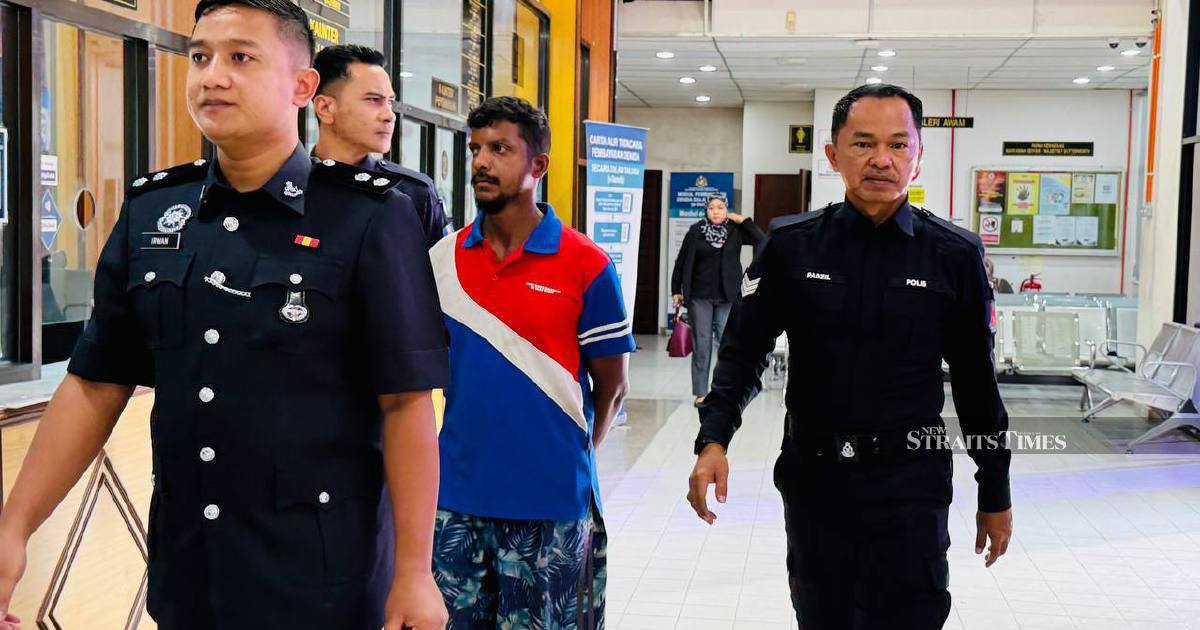
A Myanmar national appeared before the Sessions Court in Butterworth today to face charges of inflicting grievous hurt upon a fellow countryman during an incident that occurred in the preceding week. The accused entered a not guilty plea to the allegation, marking the opening stage of what is expected to be a contested proceeding. The development underscores the presence of transnational criminal matters within Penang's judiciary, a phenomenon increasingly common across Malaysian courts as migrant communities expand across the country.
The court's refusal to grant bail represents a significant judicial determination regarding the accused's flight risk and the strength of the prosecution's case. Rather than releasing the defendant into the community pending trial, Magistrate Chee Min See determined that the man should remain in custody until critical identity verification procedures are completed. This procedural requirement reflects standard cautious practice when foreign nationals without established Malaysian documentation enter the criminal justice system, as identification confirmation becomes essential for ensuring court appearances and verifying background information.
The decision to withhold bail pending identification checks demonstrates the courts' concern about defendants without established residency or documented ties to Malaysian society. When a person lacks verifiable identity documentation, they represent a theoretical flight risk, particularly given the proximity of Butterworth to international borders and transport hubs. The requirement for identification documents ensures that the court system can properly track the individual and maintain accountability throughout legal proceedings. For migrant workers and nationals from neighbouring countries, such documentation hurdles are not uncommon obstacles within the Malaysian criminal justice framework.
The grievous hurt charge carries significant legal weight under Malaysian law, falling under the Penal Code provisions designed to address substantial bodily harm that goes beyond minor injuries. Charges of this nature typically result from altercations causing fractures, deep lacerations, disfigurement, or injuries requiring extended medical intervention. The circumstances suggesting such severity enough to warrant this specific charge rather than simpler hurt provisions indicate that the alleged victim sustained injuries deemed serious within legal definitions.
This case reflects broader patterns observable within Malaysia's criminal landscape involving disputes between foreign nationals, particularly within communities sharing linguistic or cultural ties. Butterworth, as Penang's gateway and industrial hub, experiences considerable migrant populations drawn by employment opportunities in manufacturing, construction, and service sectors. Tensions within these communities sometimes escalate into violence, creating complications for law enforcement and courts managing cases where both victim and perpetrator come from outside Malaysia's citizen base.
The forthcoming trial will likely examine the circumstances of the alleged assault, the nature and extent of injuries sustained, and the relationship between the parties involved. Whether the incident stemmed from workplace conflict, interpersonal dispute, or criminal opportunism remains to be established through evidentiary proceedings. The court will require clear proof of the accused's identity, the identity of the alleged victim, and comprehensive documentation of injuries to proceed effectively toward a judgment.
For the Myanmar national in custody, remaining detention pending document verification could extend from days to weeks, depending on the efficiency of diplomatic coordination and identification processes. Malaysian authorities may need to liaise with Myanmar's embassy or consular officials in Kuala Lumpur to obtain authenticated biographical information, a process that introduces bureaucratic variables beyond the court's direct control. Such delays, while procedurally necessary, highlight the complexities of administering criminal justice when defendants hail from jurisdictions with limited diplomatic infrastructure or documentation standardization.
The bail decision also carries implications for the alleged victim, who presumably sustained injuries significant enough to warrant intervention by Malaysian law enforcement and prosecution. While the victim's specific condition and recovery status remain undisclosed in court proceedings, the grievous hurt characterization suggests a level of suffering that extends beyond immediate physical discomfort. Supporting victims through trials involving foreign defendants introduces additional challenges, particularly if language barriers complicate witness testimony or if the victim harbours concerns about their assailant's community connections.
Malaysia's approach to managing criminal cases involving foreign nationals reflects its broader challenge of maintaining law and order within an increasingly diverse population. The Sessions Court system, handling indictable offences, represents the judiciary's serious engagement with such matters. While migrant workers and foreign nationals contribute substantially to Malaysia's economy, their presence also generates criminal justice responsibilities and procedural complications that courts navigate continuously.
The case will proceed through standard trial protocols, with the prosecution required to establish guilt beyond reasonable doubt according to Malaysian criminal procedure. The defendant's right to legal representation and due process remains protected regardless of immigration status. As proceedings unfold, the court's handling of this matter will reflect institutional capacity to deliver justice fairly while managing identification and security concerns inherent to cases involving documented foreign nationals.

