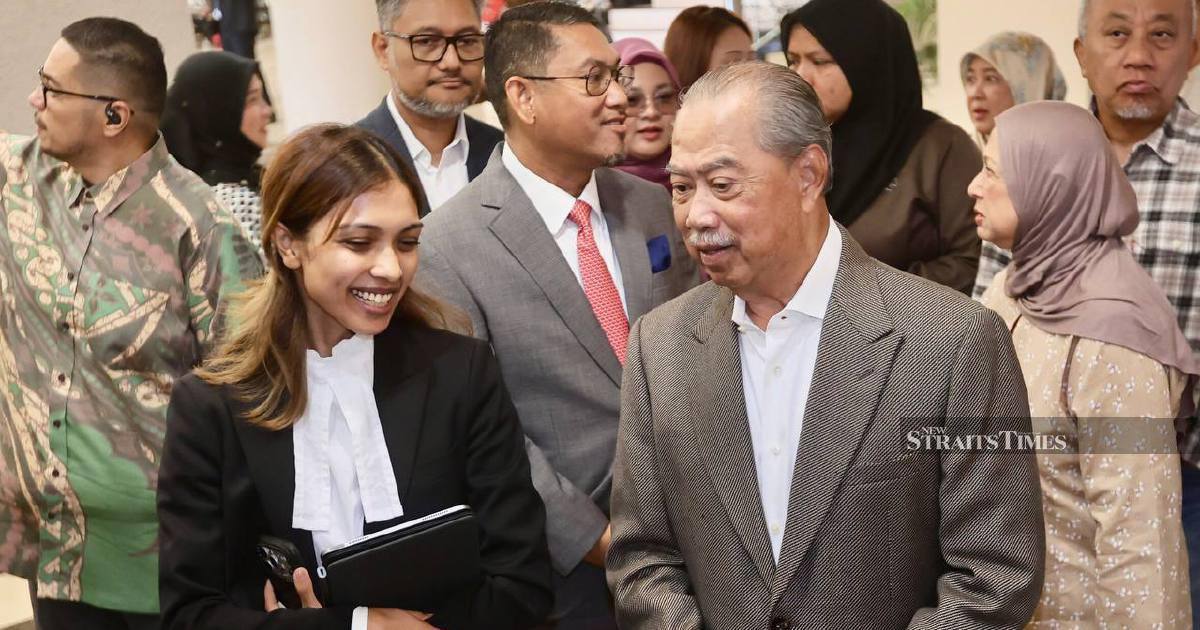
A key witness in the Jana Wibawa trial involving former prime minister Tan Sri Muhyiddin Yassin informed the High Court in Kuala Lumpur that the defendant never solicited financial contributions, either personally or for his political party Bersatu. The testimony emerged during proceedings on Tuesday and represents a significant moment in the ongoing case, which has drawn considerable public attention given Muhyiddin's prominence in Malaysian politics.
The Jana Wibawa case has centred on questions about the sourcing and movement of funds connected to Bersatu and related entities. The allegation of solicitation would have constituted a serious breach of anti-corruption statutes and party financing regulations. However, the witness statement directly contradicts any assertion that the former premier actively sought such contributions, potentially undermining a pillar of the prosecution's case against him.
Muhyiddin, who served as Malaysia's eighth prime minister from 2020 to 2021, has consistently maintained his innocence throughout the legal proceedings. His administration was marked by considerable political turbulence, facing persistent challenges to its parliamentary majority and ultimately collapsing following defections and factional disputes within his coalition. The trial itself has become emblematic of the broader political reckoning Malaysia has experienced in recent years, with multiple senior figures facing legal scrutiny.
The High Court testimony underscores the critical importance of eyewitness accounts in financial crime prosecutions. Establishing whether a solicitation occurred requires direct evidence of communication and intent, making witness credibility paramount. The court will need to weigh this testimony against other evidence presented by prosecutors, including documentary records, financial transactions, and potentially testimony from other witnesses with differing perspectives on the same events.
Bersatu, the Perikatan Nasional component party that Muhyiddin leads, has faced its own questions regarding party funding mechanisms and financial accountability. The party emerged from the 2018 party-hopping wave that followed the Pakatan Harapan government's formation, and its subsequent political manoeuvres have occasionally drawn scrutiny. The outcomes of legal cases touching on its finances could have implications for how Malaysian political parties manage fundraising operations and maintain transparency.
For Malaysian readers following political accountability issues, this trial exemplifies the ongoing tension between political governance standards and the enforcement mechanisms available to the judiciary and anti-corruption authorities. The case demonstrates that senior political figures are subject to legal proceedings, though questions persist about whether enforcement is consistent across party lines and whether Malaysia's institutional capacity for investigating complex financial allegations remains adequate.
The High Court will likely hear additional testimony from other witnesses as the trial progresses, providing competing narratives about communications surrounding financial matters. Defence counsel will probably emphasise the absence of direct evidence of solicitation, while prosecutors may attempt to establish patterns of conduct or circumstantial indicators. The court's task will be determining what happened based on the totality of evidence presented, applying the necessary legal standard of proof beyond reasonable doubt.
This case also intersects with broader discussions about political funding reform in Malaysia. Various stakeholders have advocated for more transparent party financing systems, enhanced disclosure requirements, and stronger regulatory oversight. The trial proceedings, regardless of their outcome, may generate renewed momentum for legislative amendments aimed at preventing opaque funding practices and ensuring greater accountability in how political parties finance their operations and campaigns.
Muhyiddin's legal team has adopted a strategy emphasising the lack of direct evidence linking their client to improper conduct. The witness testimony supporting claims that no solicitation occurred fits within this broader defensive narrative. As the trial unfolds, both sides will continue presenting their versions of events, and judicial scrutiny will ultimately determine the credibility of competing accounts and the legal significance of the evidence presented.
Regional observers note that Malaysia's handling of high-profile political corruption cases carries significance beyond domestic borders. Southeast Asian countries often look to each other's judicial processes as indicators of institutional independence and commitment to rule of law. The Jana Wibawa trial therefore reflects not only Malaysia's internal accountability mechanisms but also reinforces regional perceptions about how the country's courts approach cases involving prominent political personalities.
The proceedings will continue as additional testimony is gathered and legal arguments are presented. The outcome could have considerable ramifications for Muhyiddin personally and potentially influence broader conversations about political party governance standards. Malaysian observers await further developments as the court methodically examines the evidence before rendering its decision.

