The Malaysian United Democratic Alliance (MUDA) has selected Rashifa Aljunied, head of the Puteri Wangsa service centre, to represent the party in the hotly contested Puteri Wangsa constituency during the upcoming Johor state election. The announcement came during a press conference in Johor Bahru on June 20, delivered by MUDA president Amira Aisya Abdul Aziz, who currently holds the seat but will not be defending it in this cycle.
Amira Aisya explained that the party's leadership conducted extensive consultations before settling on Rashifa, 26, as their standard-bearer for the seat. The decision reflects MUDA's strategic shift in the state, with the incumbent choosing to redirect her political ambitions toward the parliamentary arena in the forthcoming 16th General Election. By stepping aside at the state level, Amira Aisya signals the party's commitment to developing fresh talent while herself pursuing higher office at the federal legislature.
Puteri Wangsa holds particular significance in MUDA's electoral history. In the 2022 Johor state election, the seat represented the party's sole triumph in the state, a remarkable achievement given the crowded political landscape. Amira Aisya captured the constituency with a decisive majority of 7,114 votes in a six-cornered contest, demonstrating strong grassroots support and establishing the seat as a potential stronghold for the reform-minded party in Johor's political matrix.
Rashifa's selection carries implications for how MUDA approaches generational renewal within its ranks. At 26 years old, she represents the younger demographic that MUDA has consistently courted since its founding, positioning itself as an alternative to Malaysia's more established political parties. Her background as the service centre head suggests practical experience in constituency management and community engagement, qualities essential for retaining a seat against determined opposition from parties with deeper organisational networks.
The timing of this announcement is strategically important as MUDA prepares for a broader unveiling of its Johor slate. Party officials indicated that additional candidate nominations would be announced the following day in Kuala Lumpur, suggesting a coordinated campaign rollout designed to build momentum across the state. This phased approach allows MUDA to control the narrative and ensure media attention is distributed across its multiple candidates competing in various constituencies.
The Johor election looms large in Malaysian politics beyond the state borders. As one of the nation's most economically significant states and a traditional heartland of establishment politics, Johor's electoral outcome carries symbolic weight for challengers to the dominant coalition. MUDA's performance in this election will partly determine whether the party can translate its 2022 breakthroughs into sustainable electoral progress or whether those victories represented isolated successes in particular constituencies.
Defending Puteri Wangsa against challengers from both the ruling coalition and opposition parties will test MUDA's organisational capacity. The six-cornered contest that characterised the 2022 election suggests a fragmented electorate open to various political appeals. Rashifa must navigate voter expectations shaped by Amira Aisya's tenure while establishing her own political identity and connection with constituents. The transition from service centre operations to full-scale electoral competition presents a significant step up in political intensity and public scrutiny.
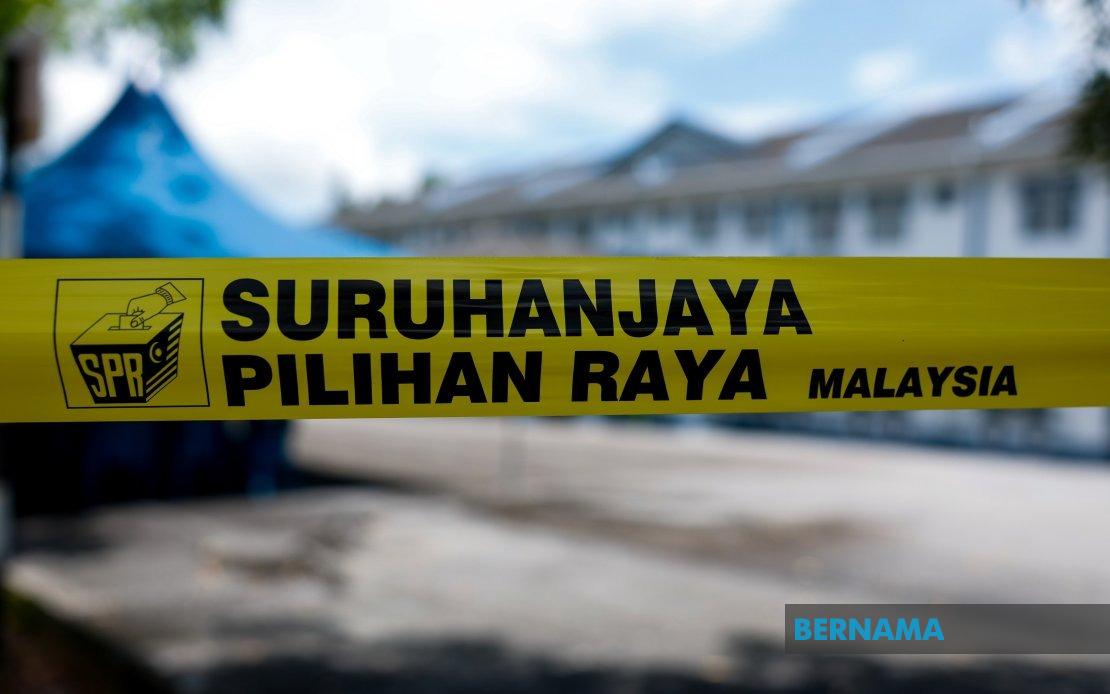
The Election Commission's timeline compressed the campaign season substantially. With nomination day scheduled for June 27 and polling set for July 11, candidates had minimal time to build visibility and articulate their platforms. Early voting was designated for July 7, an unusual provision that further restricted the window for campaigning and persuasion. This compressed schedule potentially advantaged incumbents and candidates with established name recognition, placing newer contestants like Rashifa at a tactical disadvantage despite her organisational familiarity with the constituency.
For Malaysian observers, Rashifa's candidacy exemplifies broader trends within opposition and alternative politics. MUDA has positioned itself as a party of youth-driven reform, challenging both the ruling coalition's entrenched structures and the older opposition parties' conventional approaches. By promoting younger candidates into competitive seats, MUDA reinforces its brand identity while testing whether Malaysian voters prioritise experience or fresh perspectives in state-level contests. The results in constituencies like Puteri Wangsa will provide data about generational voting patterns and the appetite for political renewal in Malaysia's evolving democratic landscape.
Rashifa's path to the ballot represents MUDA's attempt to build bench strength for sustained political competition. Rather than recycling the same candidates across multiple elections, the party appears committed to nurturing new talent through service centre roles and community engagement before moving them into electoral contests. Whether this developmental approach yields electoral success in Puteri Wangsa will significantly influence how other Malaysian political parties evaluate their own candidate recruitment and succession strategies in coming electoral cycles.

