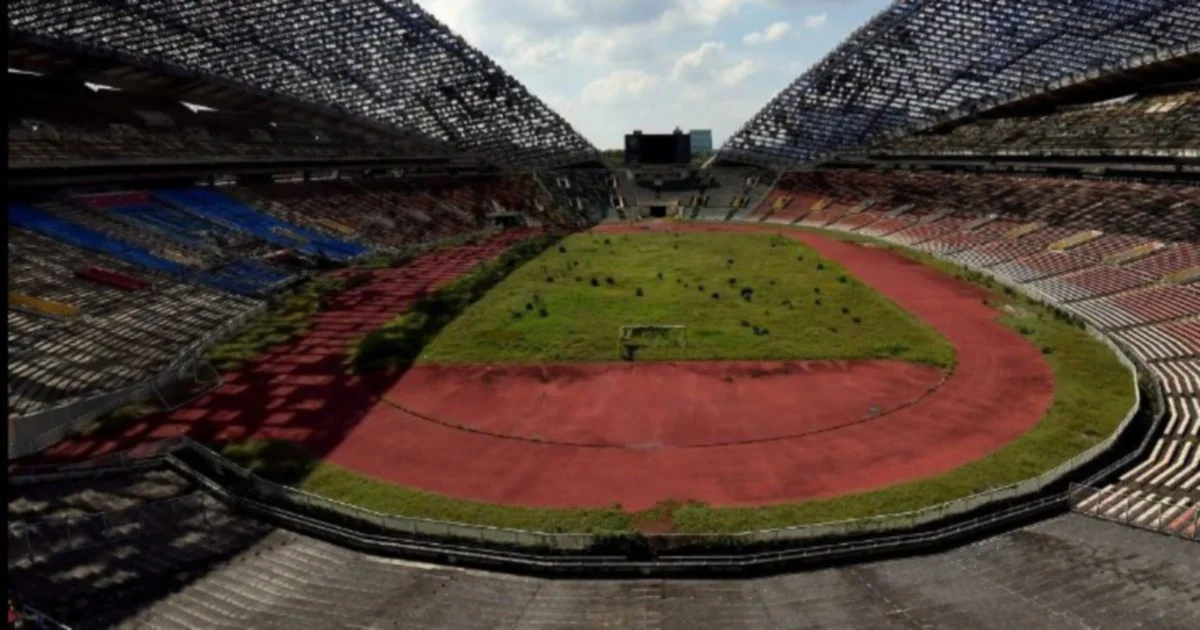
Malaysian Resources Corporation Bhd (MRCB) has obtained a consent judgment from the Shah Alam High Court against activist Abdul Razak Ismail following a legal dispute centred on online publications addressing the demolition and subsequent redevelopment of Shah Alam Stadium. The property development company alleged that the activist's digital content had inflicted financial damage on its business operations and interests in connection with the high-profile stadium project. The consent order represents a significant legal outcome for MRCB in its efforts to manage reputational and commercial challenges surrounding the controversial stadium development initiative.
The Shah Alam Stadium case has attracted considerable public attention across Malaysia, particularly among those tracking corporate accountability and community impact issues. The stadium, a historic sporting venue with cultural significance for the Selangor region, has become the focal point of broader discussions about urban development, heritage preservation, and the balance between commercial interests and public welfare. The redevelopment scheme, undertaken by MRCB, represents one of the larger infrastructure transformation projects in the Klang Valley, with substantial financial implications for the developer and the surrounding community.
Activist engagement around the stadium project reflects growing scrutiny of major development initiatives in Malaysia. Abdul Razak Ismail's online publications and advocacy work had raised questions about the demolition decision, the redevelopment plans, and their broader implications for the Shah Alam area. Such activism, while increasingly common in Malaysia's digital-savvy society, has sparked ongoing debates about the relationship between corporate projects, environmental concerns, and community consultation processes. The consent order signals a legal resolution but underscores the tension between developers seeking to protect their commercial interests and activists attempting to hold projects accountable to public scrutiny.
From a legal perspective, the consent judgment indicates that both parties reached a negotiated settlement rather than proceeding to a full trial. In Malaysian civil litigation, consent orders typically involve mutual agreement on terms without either side necessarily admitting liability. This approach allows parties to resolve disputes while avoiding the uncertainty and expense of protracted courtroom battles. For MRCB, the outcome provides some legal closure and acknowledgment of harm claims in connection with the online publications, while also demonstrating the company's willingness to engage through formal legal mechanisms.
The economic damage allegations raised by MRCB point to how corporate entities increasingly view reputational risk and activist campaigns as quantifiable business concerns. When property firms pursue legal action against critics and activists, they operate from the premise that negative publicity directly affects investment confidence, sales potential, and stakeholder relationships. Such litigation strategies have become more sophisticated in Malaysia's business environment, reflecting the recognised influence of digital discourse and social media on commercial outcomes. The ability to secure court recognition of economic harm represents a tactical victory that may influence how future developer-activist disputes are framed and resolved.
Activism targeting major development projects exists within Malaysia's broader context of civic engagement and digital democratisation. Over the past decade, social media platforms have enabled individuals and groups to organise criticism of corporate projects, government policies, and infrastructure decisions with unprecedented reach. This phenomenon has generated important public conversations about accountability, transparency, and the rights of affected communities. Simultaneously, it has prompted corporations and government entities to adopt more aggressive legal strategies against online critics, creating a complex landscape where free speech concerns intersect with property rights and commercial interests.
The Shah Alam Stadium specifically represents a significant redevelopment opportunity in Selangor's urban landscape. As a metropolitan area experiencing rapid expansion, Shah Alam has witnessed numerous large-scale projects aimed at modernising infrastructure and attracting investment. The stadium redevelopment fits into this broader pattern of urban renewal, though like many such projects, it has generated questions about whether development prioritises commercial returns over heritage preservation and community benefit. For Malaysian property developers and the broader construction industry, the MRCB case offers lessons about managing activist opposition and the legal tools available for protecting commercial interests against critical online speech.
The implications of this consent order extend beyond the immediate parties involved. Developers considering major projects may perceive increased confidence in pursuing legal remedies against online criticism, potentially affecting the threshold at which activists feel comfortable publishing critical content. Conversely, the existence of the dispute itself reflects genuine public concern about development practices, suggesting that corporate legal victories do not necessarily eliminate underlying community questions about project legitimacy and community benefit. This dynamic creates an ongoing tension between protecting commercial interests and maintaining space for legitimate public debate about significant urban transformations.
For observers of Malaysian corporate governance and civil society, the case illustrates how litigation has become an instrument through which power imbalances between large corporations and individual activists play out in the modern digital environment. When well-resourced companies pursue legal action, the financial burden on activists to defend themselves can have a chilling effect on public discourse. The Shah Alam Stadium dispute thus represents not merely a commercial disagreement but reflects deeper questions about the architecture of accountability in Malaysia's development sector, the weight given to corporate interests relative to community voices, and the tools available to both established institutions and civil society actors in shaping public conversation about shared urban spaces.

