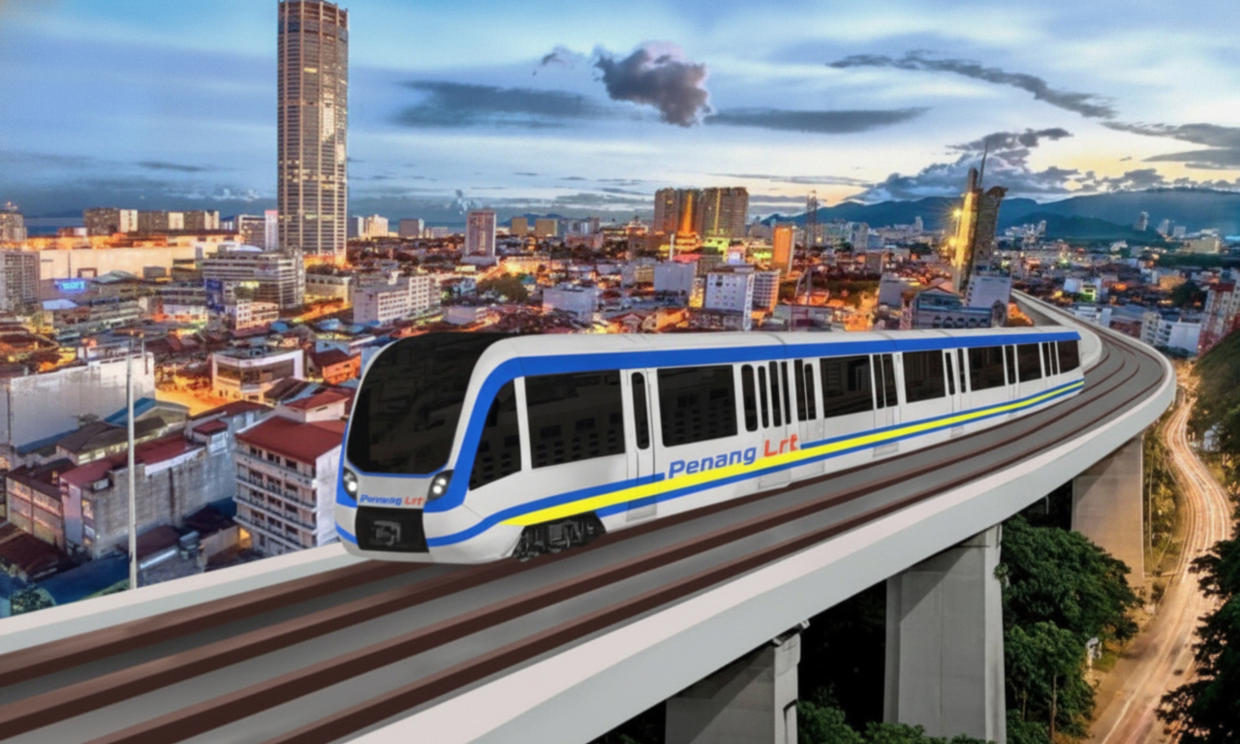
Malaysian Resources Corp Bhd (MRCB) has captured a significant infrastructure contract valued at RM3.028 billion for the railway systems component of Penang's Light Rail Transit Mutiara Line, the company announced to Bursa Malaysia. The award underscores the continued momentum in large-scale transport infrastructure projects across Malaysia, particularly in Penang where rapid urbanisation is driving demand for efficient public transit solutions.
The contract will be executed through a 90:10 unincorporated joint venture arrangement, with MRCB holding the majority stake. This structure is common in major infrastructure projects where lead contractors partner with specialist firms to manage specific technical domains and share both the financial burden and operational risks inherent in complex rail systems development.
The scope of work extends across 68.8 months and encompasses the entire lifecycle of the railway systems package—from initial design through to long-term maintenance operations. MRCB's responsibilities will include procuring and installing trains, implementing signalling infrastructure, establishing the power distribution network, deploying telecommunications systems, and integrating automated ticketing mechanisms. This comprehensive remit positions the contractor as the central nervous system of the entire LRT line, responsible for ensuring seamless integration between the physical rail infrastructure and the technology systems that enable daily operations.
The Penang LRT Mutiara Line represents a critical component of the northern region's transportation strategy. As Penang continues its economic growth trajectory, particularly in sectors such as electronics manufacturing, tourism, and business services, congestion on existing road networks has become increasingly problematic. The new LRT line is intended to alleviate this pressure by offering commuters a fast, reliable alternative to private vehicles, thereby supporting both economic productivity and urban sustainability objectives.
MRCB's track record in delivering major infrastructure projects provides reassurance to stakeholders regarding execution capability. The company has previously managed complex rail and transit projects, accumulating the technical expertise and operational disciplines necessary to navigate the inherent complexities of modern railway systems. These include managing supply chains across multiple international vendors, coordinating intricate testing and commissioning phases, and ensuring compliance with stringent safety and performance standards that characterise modern public transport systems.
The contractor has flagged potential risks that will require careful management throughout the project lifecycle. Material and equipment price fluctuations represent a particular concern in the current economic environment, where commodities such as steel, electrical components, and specialised signalling equipment have experienced significant volatility. Exchange rate movements also pose challenges for a contractor importing substantial portions of equipment and technology from overseas suppliers. However, MRCB has indicated confidence in its ability to mitigate these risks through established control mechanisms and operational procedures refined across previous projects.
The contract award comes at a time when Malaysia is prioritising transportation infrastructure investment as a cornerstone of economic modernisation. The federal government has emphasised the role of rapid transit systems in creating liveable, connected urban centres that can attract both talent and investment. Penang, already a major economic hub in the northern corridor, stands to benefit substantially from improved intra-city mobility, which can enhance productivity and quality of life for its workforce while reducing environmental impacts associated with heavy private vehicle usage.
From a broader regional perspective, the Penang LRT project reflects Southeast Asia's growing emphasis on modern public transport infrastructure. Singapore, Bangkok, and Jakarta have established extensive MRT and BRT networks that serve as benchmarks for other regional cities. Penang's development of the Mutiara Line positions Malaysia within this competitive context and demonstrates commitment to international-standard urban mobility solutions. This can enhance the state's appeal to multinational corporations considering regional headquarters locations and to skilled workers evaluating relocation decisions.
The financial markets responded positively to the contract announcement. MRCB's share price rose one sen to 32 sen, representing a 3.23% gain at the midday trading break. The joint venture partner Theta Edge experienced notably stronger performance, surging 14 sen or 25.45% to 69 sen, suggesting investor enthusiasm about the partnership's earnings potential from this substantial contract. These movements reflect market confidence in the project's viability and the contractors' ability to deliver profitably.
Looking forward, MRCB has indicated that the Penang LRT contract will contribute positively to future group earnings, though the exact timing and magnitude of profit recognition will depend on project progress, cost management, and revenue recognition under relevant accounting standards. For Malaysian investors and the broader business community, the contract award reinforces confidence in MRCB's competitive positioning within the infrastructure sector and its capacity to secure major government-backed projects in an increasingly challenging competitive environment.

