A tragic accident on the roads near Muar claimed the lives of a mother and daughter on Wednesday morning, highlighting the continuing dangers of vehicle collisions on Malaysian highways. The incident, which occurred at 10.30 am on Jalan Temenggung Ahmad near Parit Unas, left the 58-year-old driver dead at the scene, while her 83-year-old mother succumbed to her injuries shortly after arrival at hospital. A third person, the lorry driver, sustained injuries but remains under medical care.
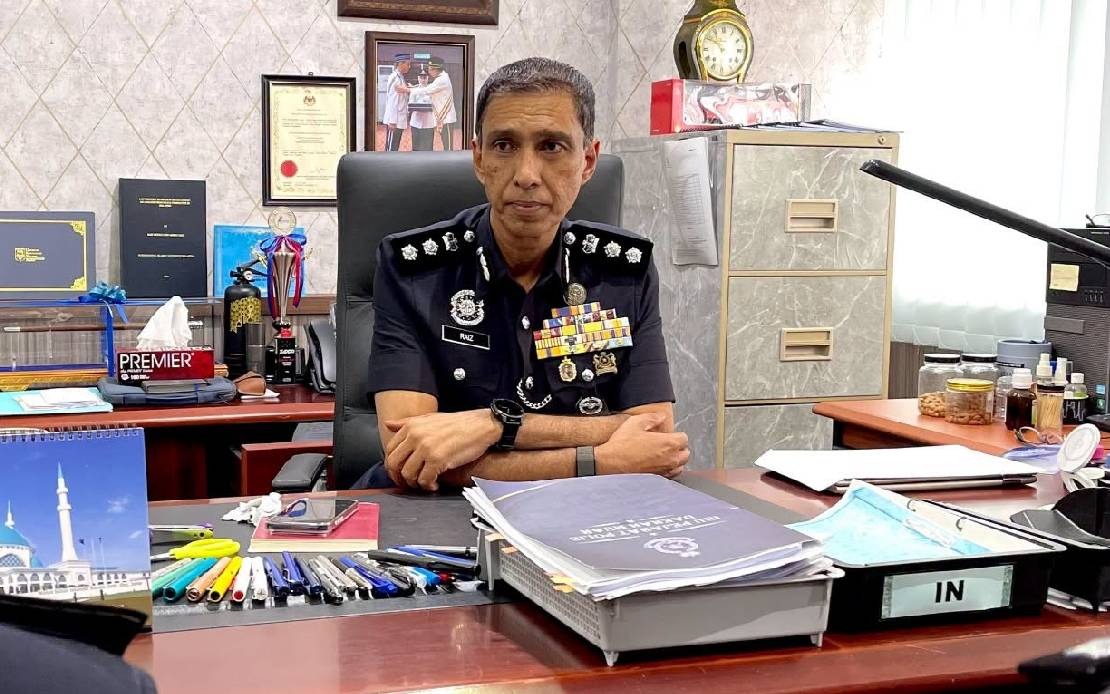
According to Muar District Police Chief ACP Raiz Mukhliz Azman Aziz, the fatal sequence of events unfolded when the Perodua Myvi, operated by the younger woman, unexpectedly crossed into the opposite lane. Details gathered during the initial phase of the police inquiry indicate that the vehicle lost directional control, a common precursor to multi-vehicle accidents on busy roads in the region. The loss of control proved catastrophic when the car encountered an oncoming lorry that was traveling toward Parit Jawa from Muar town.
The collision between the two vehicles was severe enough to cause immediate fatality for the driver of the Perodua Myvi. Emergency services transported the elderly passenger to Sultanah Fatimah Specialist Hospital in Muar, where medical staff fought to stabilize her condition. Despite the efforts of hospital personnel, the 83-year-old woman's injuries proved too extensive, and she died during treatment. The lorry operator, aged 35, sustained hand and leg injuries consistent with the impact of the collision and has been admitted for continuing medical attention.
This incident represents another tragic addition to Johor's road safety statistics, a state that frequently experiences high-severity accidents due to heavy traffic volumes on its major routes. The Muar district, situated along key transport corridors connecting Singapore to northern regions, regularly handles substantial commercial and passenger vehicle flows. Roads such as Jalan Temenggung Ahmad serve as vital links for regional commerce, and accidents on such stretches can snarl traffic and pose wider safety risks to other road users.
Investigations are proceeding under Section 41(1) of the Road Transport Act 1987, the statutory provision covering motor vehicle accidents that result in death or serious injury. This section carries significant penalties and provides the legal framework through which police can establish the circumstances and apportion responsibility. The specific invocation of this provision indicates the seriousness with which authorities are treating the case and suggests that factors beyond simple mechanical failure may be under scrutiny.
The loss of vehicle control documented in this case remains a frequent factor in fatal accidents across Malaysia and Southeast Asia more broadly. Causes can range from mechanical defects to driver error, medical emergencies affecting the operator, or adverse road conditions. The Perodua Myvi, a compact vehicle popular throughout Malaysia, handles reasonably well under normal conditions, but like all passenger cars, can become unstable during rapid maneuvers or if control is compromised. Investigators will seek to determine which factors contributed to the loss of directional stability.
For families affected by such accidents, the emotional and practical consequences extend far beyond the immediate tragedy. The death of both a daughter and mother simultaneously creates complex bereavement and potential complications in family succession and inheritance matters under Malaysian law. Extended family members must navigate both their grief and the administrative aftermath of dual fatalities, a burden compounded by the public nature of fatal road accidents.
The appeal by police for public assistance reflects standard investigative practice in serious traffic cases. Eyewitnesses to the collision or the moments immediately preceding it can provide valuable corroborating evidence regarding vehicle speeds, positioning, weather conditions, or any apparent mechanical issues. Information from other road users who observed the vehicles before impact may clarify the sequence of events in ways that physical evidence alone cannot establish.
This fatality carries implications beyond the immediate affected families. Road safety advocates across Malaysia regularly cite the need for enhanced driver education, enforcement of existing regulations, and infrastructure improvements on accident-prone routes. The Muar region, while economically vital, has seen recurring traffic incidents that have prompted periodic calls for safety reviews and enhanced monitoring. Each fatal accident provides renewed impetus for examination of whether current measures are sufficient or whether additional interventions are warranted.
Motor vehicle accidents remain among the leading causes of death in Malaysia, particularly among working-age adults and those dependent on road transport for daily activities. The combination of high traffic volumes, varied vehicle types, aging infrastructure in some areas, and the stress of long-distance driving creates an environment where collisions can occur with devastating consequences. This particular incident, involving a senior citizen and someone in their late middle years, underscores that road risks affect all age groups.
The 35-year-old lorry driver, now recovering from his injuries, faces the immediate recovery process but also carries the psychological burden of having been involved in a fatal accident despite no apparent fault on his part. Surviving participants in such incidents often experience lasting emotional impacts alongside their physical healing. His recovery process, while medically supported through HPSF's facilities, will likely extend into the psychological and social dimensions of trauma processing.
As investigations proceed, authorities will compile a comprehensive accident reconstruction based on physical evidence, medical findings, and witness statements. The conclusions drawn from this case may contribute to broader understanding of accident patterns in the Muar district and the Johor region, potentially informing future safety initiatives or targeted enforcement efforts on particularly dangerous stretches.

