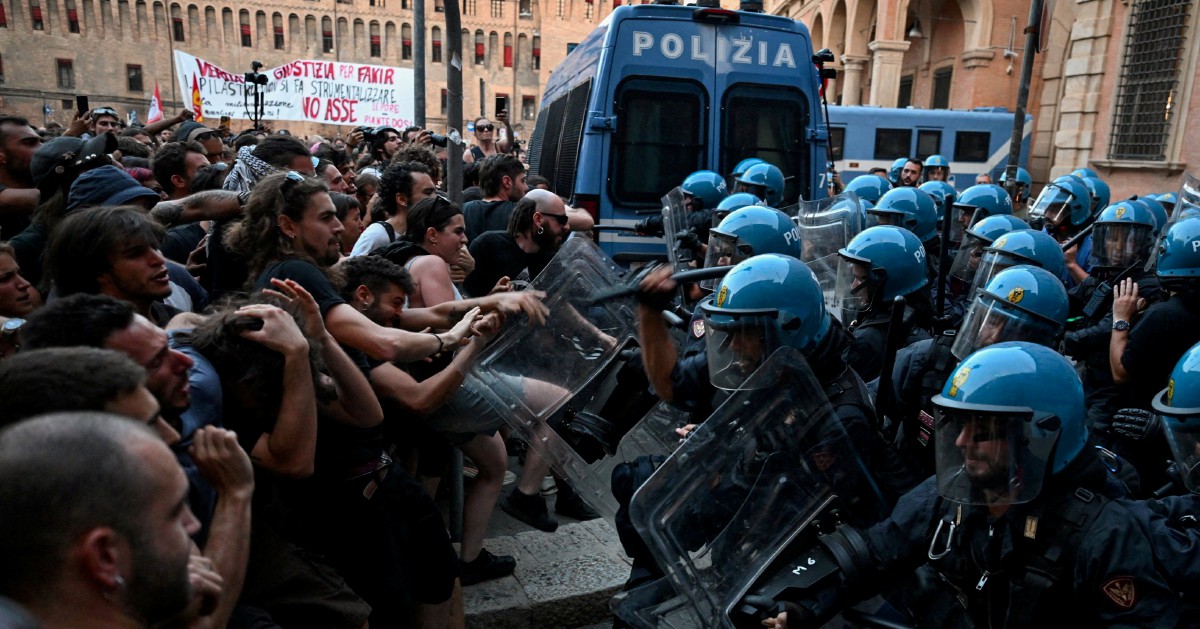
The death of a Moroccan man during an arrest procedure in Italy has sparked immediate diplomatic concern and grassroots unrest, with both Morocco and Italian leadership now facing mounting pressure to provide transparent answers about the circumstances surrounding the incident. Morocco has formally requested a comprehensive clarification of the events, signalling that the case extends beyond domestic Italian considerations into the realm of international relations and migrant welfare protection in Europe. Prime Minister Giorgia Meloni responded by pledging to pursue "the truth right to the end," acknowledging the gravity of the situation while committing the Italian government to a thorough investigation.
The death has become a focal point for broader concerns about police conduct during arrest operations and the treatment of foreign nationals within the Italian justice system. Demonstrations have already begun in response to the incident, reflecting deep anxieties within communities—both Moroccan residents in Italy and immigrant advocacy groups—about law enforcement accountability and the safeguards protecting vulnerable populations during law enforcement interactions. These protests underscore how sensitive such incidents are in contemporary European societies grappling with immigration, integration, and police legitimacy.
The involvement of Morocco at the diplomatic level indicates that authorities in Rabat view this not merely as an isolated tragedy but as a matter touching on the rights and dignity of their nationals abroad. Morocco's formal request for clarification suggests the government intends to monitor the investigation closely and ensure that Italian authorities conduct a rigorous examination of what transpired. This diplomatic posture reflects a wider pattern among North African and Middle Eastern nations of asserting stronger oversight when their citizens face fatal encounters with foreign law enforcement.
Prime Minister Meloni's public statement carries particular weight given Italy's complex relationship with immigration and border control. Her explicit commitment to uncovering the complete truth appears designed to balance pressure from international and domestic constituencies—addressing Moroccan concerns while also signalling to Italian voters that her government takes due process seriously. The rhetoric of finding "the truth right to the end" suggests a willingness to follow investigative leads wherever they lead, potentially signalling openness to accountability regardless of political sensitivities.
The incident arrives amid wider European scrutiny of police practices, particularly regarding the use of force during arrests. Various human rights organisations have documented patterns of disproportionate force used against migrants and people of colour in law enforcement contexts across the continent. This specific death may catalyse broader demands for reform in Italian policing procedures, training protocols, and oversight mechanisms to prevent similar tragedies.
For Malaysia and Southeast Asia, the case carries relevance as a cautionary example of how migrants in foreign countries remain vulnerable despite legal protections. Malaysian nationals and Southeast Asian workers abroad, whether in Europe or elsewhere, depend on the commitment of receiving countries to maintain transparent investigations when their citizens encounter fatal law enforcement incidents. The Moroccan government's assertive diplomatic response provides a model for how origin countries can champion accountability through formal diplomatic channels.
The protest movement emerging from this incident reflects the interconnected nature of modern migration and diaspora politics. Demonstrators are not only expressing grief over the death but signalling broader grievances about representation, police culture, and institutional discrimination within Italian society. These grievances, if unaddressed, risk deepening social fractures and undermining integration efforts.
Italian authorities face the challenge of conducting an investigation that satisfies both domestic expectations and international scrutiny. The investigative process will likely examine the specific actions of officers involved, the training and protocols they were following, whether proper safety procedures were implemented, and whether any misconduct occurred. Independent oversight and transparent reporting mechanisms will be essential to public confidence.
The case also highlights the importance of establishing clear international standards for how law enforcement agencies should interact with foreign nationals, particularly during high-risk situations such as arrests. While each country maintains jurisdiction over its own policing, diplomatic frameworks and human rights conventions provide touchstones for expecting certain baseline protections.
Moving forward, Moroccan-Italian relations will be shaped partly by how thoroughly and fairly this investigation proceeds. Both countries have incentives to resolve the matter responsibly: Morocco to protect its citizens' interests, and Italy to maintain good relations with an important neighbour and demonstrate the integrity of its justice system.
The incident serves as a reminder that police accountability remains contested terrain across Europe, and that diaspora communities maintain heightened sensitivity to how their members are treated in foreign jurisdictions. The coming weeks and months will reveal whether Italian authorities can deliver the comprehensive clarification demanded by Morocco and expected by the citizens taking to the streets.

