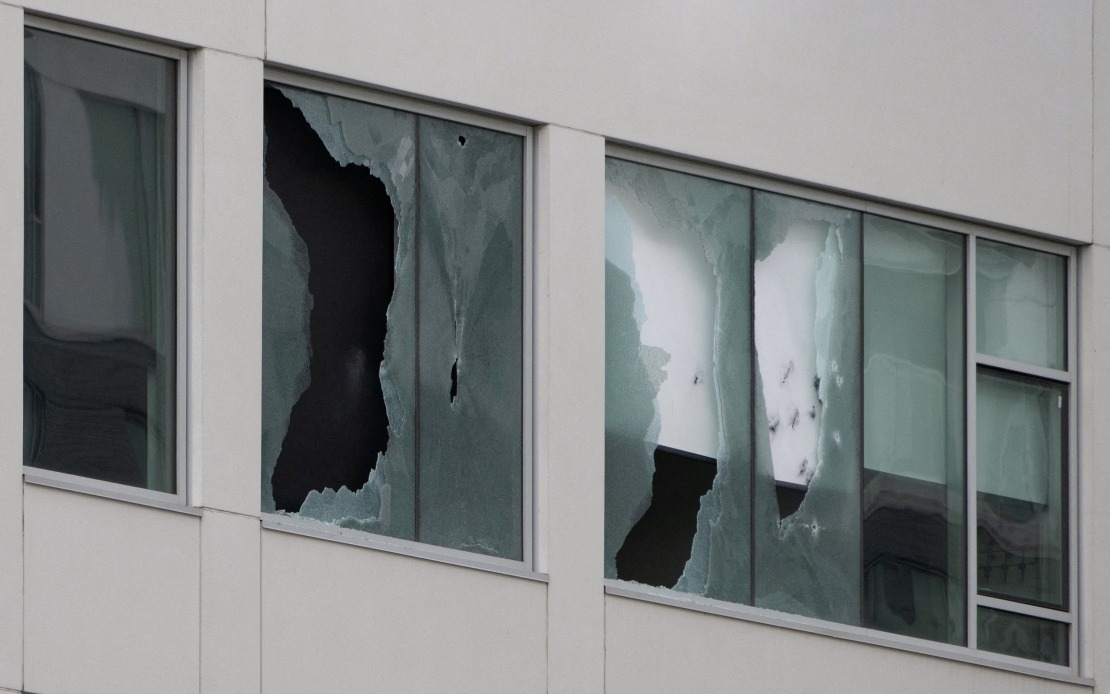
A tragic shooting in Montreal on Monday resulted in the deaths of three people, including a police officer killed while responding to the incident, along with a civilian resident and the alleged gunman. Montreal police confirmed the officer's death through a statement on social media platform X, expressing deep sadness over the loss of one of their own who fell in the line of duty. The incident has shaken Canada's second-largest city and reignited discussions about public safety and online radicalization.
Authorities also reported that two additional individuals sustained injuries during the confrontation, though one of the injured officers was later confirmed to be in stable condition rather than facing life-threatening wounds. The sequence of events unfolded when responding officers came under fire upon arriving at the scene, prompting a significant police response. Montreal police chief Fady Dagher told reporters that the suspect had been "neutralised" at the location, and investigators have determined that the individual was acting without accomplices.
The incident occurred in the Côte-des-Neiges neighbourhood, where police initially issued an urgent warning about an "armed and dangerous suspect" in the vicinity. Residents in the area received instructions to remain indoors and secure their premises as law enforcement conducted their operations. Public broadcaster CBC reported that the emergency alert remained active during the critical hours of the response, though it was subsequently lifted once authorities confirmed the threat had been eliminated.
Investigators moved swiftly to determine the motivation behind the shooting. Security authorities have explicitly ruled out any connection to terrorism or organized extremism as traditionally understood. Police confirmed there are no additional suspects being sought in connection with the incident, suggesting a focused and contained situation rather than part of a broader criminal conspiracy.
Media reports have emerged suggesting the shooter may have left behind a manifesto containing language associated with the incel movement, a loosely organized online community characterized by extreme misogyny and anti-feminist ideology. The incel subculture has garnered significant attention from law enforcement and researchers across North America and beyond, as multiple violent incidents have been attributed to individuals who identified with or were influenced by its rhetoric. This particular community promotes deeply traditional gender roles and has been documented by authorities as a source of radicalization among isolated individuals.
However, security officials have not yet confirmed these claims about the manifesto or the shooter's ideological connections. The investigation remains ongoing, with authorities likely conducting forensic analysis, digital investigations, and interviews with acquaintances to establish the precise motivations and circumstances that led to the violence. Such investigations typically require considerable time to piece together a comprehensive understanding of a suspect's state of mind and actions.
The death of a police officer in such circumstances carries particular weight in Canadian society, where law enforcement fatalities receive widespread public mourning and reflection. The fallen officer's family and colleagues will likely receive support from departmental and community resources. For the Montreal Police Service, the incident represents a sobering reminder of the dangers officers face in unpredictable situations, even during what may have begun as a routine response.
For Malaysian readers, this incident serves as a cautionary example of how online extremist communities, though geographically dispersed, can influence individuals globally to commit acts of violence. The incel movement, while primarily active in English-speaking nations, has demonstrated concerning reach across borders. Malaysia and other Southeast Asian nations have similarly grappled with online radicalization, though manifestations vary based on local contexts and grievances.
The Montreal shooting also underscores broader challenges facing law enforcement across developed democracies: the difficulty in identifying and intervening with individuals who express extremist views online before they escalate to violence. Mental health concerns, social isolation, and exposure to toxic online communities create a complex profile that authorities struggle to address proactively within frameworks protecting civil liberties. The balance between surveillance and privacy remains contentious in democratic societies.
As the investigation continues, the incident will likely prompt renewed discussions among Canadian policymakers about online safety, mental health services, and police resource allocation. International law enforcement agencies often exchange information about emerging radicalization trends, meaning lessons from this Montreal incident may inform policing strategies across North America and beyond. The tragic loss of three lives serves as a stark reminder of the real-world consequences of online extremism.

