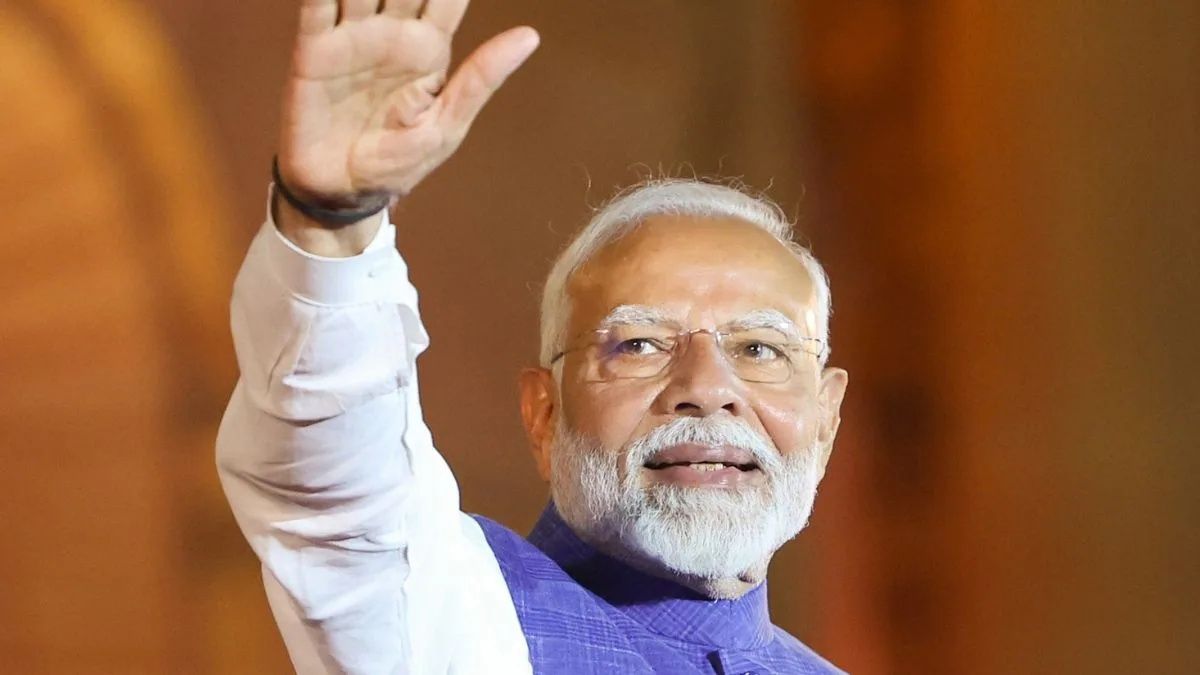
Prime Minister Narendra Modi will spearhead India's 12th International Day of Yoga (IDY) celebrations from Kolkata's historic Red Road on Sunday, June 21, underscoring his administration's emphasis on wellness and preventive health through traditional Indian practices. The main event will take place in the early hours of the morning, featuring large-scale demonstrations of the Common Yoga Protocol involving thousands of attendees ranging from government dignitaries to ordinary citizens, reflecting the government's vision of integrating yoga into mainstream public consciousness across the nation.
The selection of Kolkata as the venue for this year's flagship celebration carries significant political undertones that observers have not overlooked. The timing coincides closely with the Bharatiya Janata Party's decisive victory in the recent West Bengal Assembly elections, which resulted in the saffron party displacing the long-entrenched Trinamool Congress government. Senior BJP leaders have made it abundantly clear through their public statements that West Bengal will receive heightened attention from the Modi administration in the foreseeable future, signalling a strategic focus on consolidating political gains in the state.
Red Road itself holds particular symbolic importance as a venue choice beyond its practical capacity to accommodate large crowds. The sprawling public space represents multiple dimensions of Kolkata's identity, serving as a historic site for civic assemblies, military commemorations, and environmental initiatives. By selecting this iconic location, organisers have deliberately leveraged its cultural resonance to amplify the message of collective well-being and community participation. The expectation is that Sunday's gathering will establish new attendance records, reflecting the scale of mobilisation achieved through governmental and institutional coordination.
The overarching theme for this year's celebration, 'Yoga for Healthy Ageing,' addresses a contemporary demographic reality confronting not just India but the entire world. Union Minister of State for Ayush Prataprao Jadhav articulated the underlying philosophy: as populations live longer than previous generations, the critical challenge becomes ensuring that extended lifespans translate into genuinely healthy, active, and fulfilling years rather than merely prolonged existence. Yoga, according to the ministry's positioning, offers a scientifically validated and culturally rooted methodology for achieving this objective by simultaneously strengthening physical resilience, enhancing mental equilibrium, and elevating overall quality of life across all age groups.
The Ministry of Ayush has orchestrated an extraordinarily comprehensive programme extending far beyond the main event in Kolkata. Approximately 2,500 organised events are being conducted simultaneously across the globe, with participation channelled through 211 Indian diplomatic missions stationed abroad. This worldwide coordination reflects India's strategic objective of positioning yoga as a universal wellness tool while simultaneously reinforcing soft power projections through cultural and health diplomacy initiatives.
A particularly striking measure of this year's mobilisation lies in the unprecedented scale of institutional engagement documented through the Ministry's Yoga Sangam Portal. Organisational registrations have surpassed the 600,000-mark, encompassing schools, colleges, corporate entities, community centres, and civil society organisations. This staggering figure demonstrates the penetration of yoga advocacy across diverse institutional landscapes and geographic regions. These registered entities are expected to mobilise their constituent participants to engage in simultaneous yoga practice with Prime Minister Modi, creating a symbolic nationwide movement unified around wellness principles.
The Ministry of Culture has supplemented the Ayush initiative by organising dedicated yoga programmes at one hundred iconic cultural locations throughout the country. This parallel effort deliberately interweaves India's ancient cultural inheritance with contemporary wellness frameworks, positioning yoga not merely as physical exercise but as an integral component of civilisational heritage. The strategy aims to broaden public engagement beyond fitness enthusiasts to encompass those interested in cultural preservation and philosophical traditions.
Leading up to the main Sunday event, Kolkata has witnessed a series of preparatory programmes building momentum and public awareness. Notably, the 'Daud Se Dhyan 2026 – From Movement to Stillness' initiative, organised under the Swachhata Se Swagat Programme, has generated considerable enthusiasm by amalgamating health promotion with cleanliness and civic responsibility messaging. These preliminary activities have established favourable conditions for maximising turnout and engagement during the principal celebration.
The West Bengal state government has taken the unprecedented step of making IDY participation mandatory for all government employees. Officials have been instructed to join festivities either at their workplace locations, residential complexes, or designated assembly points including Red Road and Milan Mela grounds. This directive effectively transforms the celebration from a voluntary activity into an institutional obligation, ensuring substantial official presence and streamlined participation across the bureaucratic apparatus.
For Malaysian and Southeast Asian observers, India's mobilisation around yoga celebrations offers important insights into how governments leverage wellness narratives for political communication and public engagement. The scale of coordination across ministries, diplomatic missions, and institutional networks demonstrates sophisticated capacity for orchestrating large-scale public campaigns around health and cultural themes. As Asian nations increasingly emphasise preventive health and traditional wellness practices within their public health strategies, India's approach provides a tested model for institutional integration and mass participation mobilisation that regional policymakers may reference when designing their own health promotion initiatives.
The convergence of political symbolism, cultural messaging, and public health advocacy evident in India's IDY approach illustrates how modern governments strategically utilise wellness platforms to simultaneously achieve multiple policy objectives. The emphasis on healthy ageing particularly resonates across Asia, where rapidly aging populations present concurrent challenges and opportunities for health system innovation and traditional knowledge application.

