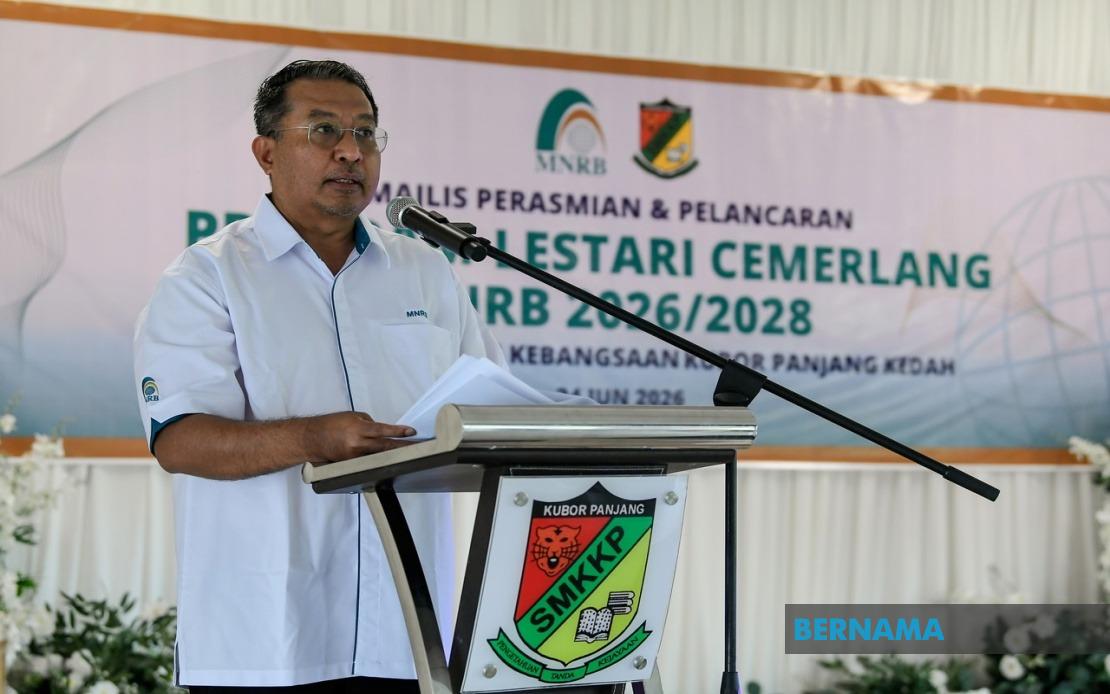
MNRB Holdings Berhad, a major investment holding company, has committed nearly RM600,000 to strengthen educational outcomes across six schools nationwide through its Lestari Cemerlang Programme. The initiative was formally launched at Sekolah Menengah Kebangsaan Kubor Panjang in Pendang, Kedah, on June 24, with the secondary school becoming the sixth institution to benefit from the comprehensive support scheme.
The programme represents a strategic extension of MNRB's corporate responsibility efforts dating back to 2011, when the company first began adopting schools as part of its long-term commitment to Malaysian education. According to Datuk Rudy Rodzila Che Lamin, interim president and group chief executive officer of MNRB, the initiative deliberately targets rural and underserved communities where educational resources are often constrained. The approach recognises that student potential extends beyond classroom achievement, emphasising the development of character, leadership and practical skills alongside academic progression.
The Lestari Cemerlang Programme operates on a comprehensive model designed to address multiple dimensions of school excellence. Schools in the network receive targeted interventions including supplementary classes for Form Five students preparing for major examinations, motivational camps that build student confidence and resilience, and structured development programmes focused on leadership and personal growth. Beyond student-centred activities, the initiative supports schools through infrastructure upgrades and facility improvements that directly enhance the learning environment.
Recognising the digital transformation reshaping education globally, MNRB has equipped participating schools with advanced learning technology. The MNRB Smart e-Learning Room represents a significant upgrade, featuring smart television displays and reliable internet connectivity to facilitate interactive and engaging lessons. This investment acknowledges the critical role of digital literacy in preparing students for modern employment and further education, a particularly important consideration in rural Malaysia where technology access remains uneven.
The programme extends beyond school walls into community life through practical initiatives like sponsoring sports jerseys for student athletes and implementing greening projects that improve school grounds and environmental awareness. These seemingly modest contributions accumulate into meaningful improvements that enhance student wellbeing and pride in their institutions. The holistic approach reflects MNRB's understanding that school excellence emerges from attending to both visible infrastructure and less tangible factors affecting student motivation and engagement.
Kubor Panjang joins five predecessor schools located across Perak, Pahang, Negeri Sembilan, Melaka and Selangor, creating a geographically diverse network that benefits communities across Peninsular Malaysia. This territorial distribution suggests MNRB has strategically identified schools with particular need, ensuring the programme reaches areas where corporate education support remains scarce. The expansion to Kedah marks further recognition of educational priorities in less developed states.
Complementing the general school improvement focus, MNRB operates the Tabung Biasiswa MNRB scholarship scheme targeting high-performing students from adopted schools. The initiative provides financial support through diploma, bachelor's and master's degree programmes, particularly favouring students pursuing qualifications in insurance, takaful, finance and related sectors aligned with MNRB's business interests. Five students from Kubor Panjang have been selected as initial recipients, continuing a pattern that has already benefited 14 students from previously adopted schools.
The scholarship programme demonstrates mutually beneficial outcomes for both students and the company. Eight graduates who received earlier Tabung Biasiswa support have subsequently joined MNRB upon completing their studies, creating a pipeline of talent development that strengthens the company's workforce while providing career opportunities for exceptional graduates. This employment outcome underscores how corporate education investment can translate into tangible life advancement for participants, particularly students from rural backgrounds who might otherwise face limited professional options.
Hazlina Hazani, MNRB Group chief people officer, emphasised that the Tabung Biasiswa initiative specifically targets students pursuing qualifications in business-relevant fields rather than providing blanket support across all academic disciplines. This targeted approach ensures scholarship recipients develop expertise directly applicable to MNRB's operations while allowing the company to identify and cultivate future leaders. The distinction between the broad Lestari Cemerlang school improvement programme and the focused scholarship scheme demonstrates strategic thinking about how corporations can leverage education support to serve both community development and organisational development objectives simultaneously.
The Kedah launch ceremony attracted representation from state education authorities, including the Kedah State Education Department deputy director for the learning sector, reflecting official recognition of MNRB's contribution to regional educational capacity. Senior management from MNRB Group and school leadership participated in formalising the partnership, underlining institutional commitment rather than treating the initiative as a one-time charitable donation.
For Malaysian schools particularly in rural regions, such corporate partnerships address genuine resource constraints limiting educational quality. The combination of extra academic support, infrastructure improvements, technology access and scholarship opportunities creates comprehensive assistance that public education budgets alone struggle to provide. As Malaysia pursues vision of educational excellence nationwide, corporate contributions through structured programmes like MNRB's initiative complement government investment and help narrow disparities between advantaged urban and resource-constrained rural schools.

