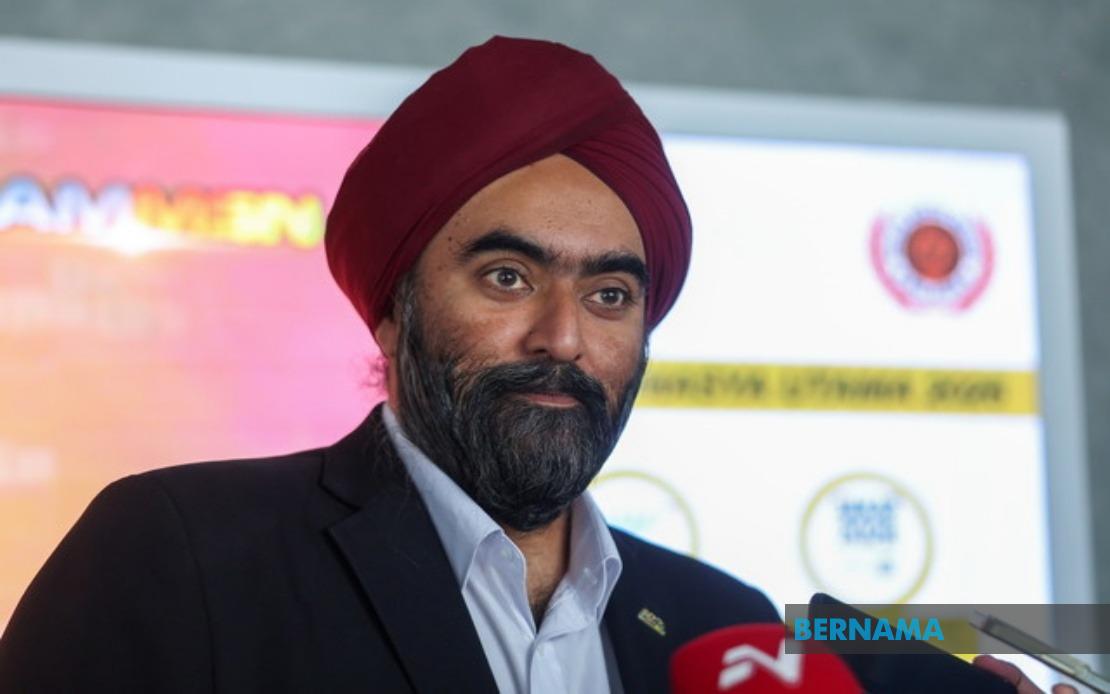
Malaysia's cycling development agenda faces a critical juncture as the Malaysian National Cycling Federation pursues emergency negotiations with Yayasan Sime Darby following the unexpected postponement of the YSD Track Cycling and BMX Series 2026. MNCF president Datuk Amarjit Singh Gill has called for top-level management from both organisations to convene immediately, signalling that the federation views the current impasse as requiring swift resolution at the highest decision-making level. The series, designed as a crucial talent development pipeline for emerging Malaysian cyclists, remains suspended pending resolution of what YSD has characterised as technical matters involving the federation.
Datuk Amarjit's public appeal for dialogue reflects a calculated approach to de-escalate tensions without assigning blame, framing the dispute as fundamentally resolvable through good-faith engagement. His emphasis on mutual respect and equal partnership status suggests that governance and administrative disagreements, rather than substantive policy conflicts, underlie the postponement. The MNCF president deliberately avoided detailed public commentary on the specific issues, indicating either a deliberate strategy to keep negotiating positions flexible or a preference to resolve matters behind closed doors rather than through media engagement. This restraint contrasts sharply with YSD's decision to publicly cite technical issues, potentially suggesting the foundation felt obligated to explain the suspension to stakeholders and the cycling community.
The timing of this crisis carries significant implications for Malaysian cycling's international competitiveness and domestic development structure. Track cycling and BMX represent increasingly important disciplines in regional and global competitions, and disruption to systematic talent identification and training programmes could cost Malaysia ground against more organised cycling nations in Southeast Asia. The YSD Track Cycling and BMX Series serves as more than a competition platform; it functions as the primary mechanism for discovering and nurturing young cyclists who progress through national representative pathways. Extended postponement risks creating talent gaps in athlete development pipelines, potentially explaining why the MNCF has escalated its response despite the federation's measured public tone.
Yayasan Sime Darby's financial and organisational support represents a cornerstone of Malaysian cycling infrastructure, making this partnership dispute a matter of genuine concern within the sporting community. The foundation has historically provided substantial backing for cycling development initiatives, positioning it as a crucial stakeholder in grassroots and competitive cycling growth. When such major institutional partnerships experience friction, the broader cycling ecosystem feels the effects immediately, as event cancellations and programme suspensions ripple through training camps, coaching arrangements, and athlete scheduling. The immediate economic impact extends beyond the federation to venues, technical staff, and athletes who depend on consistent competition calendars for preparation and assessment.
Datuk Amarjit's framing of the dispute as non-complicated and resolvable through mutual understanding suggests that the underlying disagreement may involve administrative coordination, financial accountability, or resource allocation rather than fundamental philosophical differences about cycling development. Strategic partnerships between government-aligned sports organisations and private charitable foundations often encounter friction points related to governance structures, decision-making authority, and how each party exercises influence over programme direction. The MNCF's willingness to characterise YSD's technical concerns as legitimate, even while subtly questioning their gravity, indicates the federation seeks to rebuild trust rather than win a political victory.
The announcement came during the launch and route presentation of Le Tour de Langkawi 2026, Malaysia's premier international cycling event, adding another layer of complexity to the current landscape. The contrast between LTdL's high-profile advancement and the simultaneous crisis in domestic development programming underscores how Malaysian cycling operates across multiple tiers with varying levels of stability and institutional support. While the international stage receives showcase events that attract global media attention, the foundational talent development series that feeds athletes into such competitions faces uncertainty. This structural tension highlights how Malaysian cycling, despite its profile, remains dependent on maintaining multiple fragile partnerships with wealthy institutions.
For Malaysian cycling's future, resolving this dispute expeditiously has become essential. Extended postponement of the YSD series would signal instability in the development pathway precisely when regional competition intensifies. Other Southeast Asian nations have invested heavily in systematic talent identification and development, making Malaysia's next generation of cyclists increasingly vulnerable to poaching or outright disadvantage if local training opportunities become irregular. The federation's decision to pursue face-to-face talks immediately rather than allowing the matter to languish suggests internal concern about the cumulative effect of sustained programme disruption on athlete morale and development continuity.
Datuk Amarjit's statement that the MNCF remains open to meeting YSD at any time signals flexibility and genuine problem-solving intent, positioning the federation as the cooperative partner in this arrangement. By emphasising appreciation for YSD's contributions and respecting the foundation's assessment of technical issues, the MNCF leader attempts to preserve the relationship while advocating for rapid resolution. This diplomatic language serves multiple audiences: federation members and athletes seeking reassurance that negotiations are occurring, YSD management possibly concerned about reputational impact, and the broader Malaysian sports community observing how institutional disputes get handled.
The path forward likely requires both organisations to clarify their respective expectations regarding programme governance, reporting structures, and financial management. Successful resolution will probably depend on whether the MNCF and YSD can establish clearer operational protocols that prevent similar misunderstandings while preserving the partnership's fundamental value to Malaysian cycling. The broader lesson for Malaysian sports organisations involves the importance of robust institutional frameworks that can sustain partnerships through inevitable disagreements, ensuring that development programmes remain buffered against administrative friction between strategic partners.
Asthe federation and foundation work toward reconciliation, the Malaysian cycling community faces a period of uncertainty about the YSD Track Cycling and BMX Series 2026. However, Datuk Amarjit's measured approach and emphasis on mutual respect suggest both parties recognise the partnership's value and the cost of allowing this dispute to fester. How quickly they reconvene and whether they emerge with strengthened collaboration mechanisms will significantly influence not just this series' resumption but broader confidence in institutional stability within Malaysian cycling's development infrastructure.

