Malaysia's golfing body is mounting a push for a full-time national coach to anchor its preparations for the 2027 Southeast Asian Games, which the country will host. Recognising that competitive success at the regional showpiece requires dedicated coaching infrastructure, the Malaysian Golf Association has begun formal discussions with government sports authorities to make the position a reality.
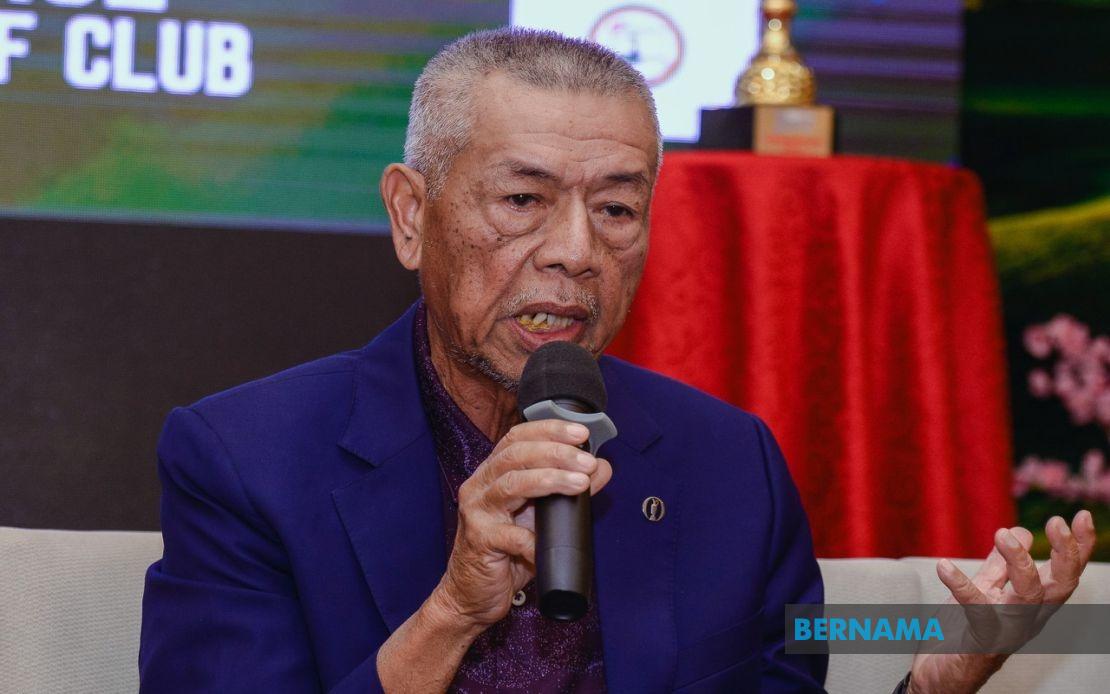
Tan Sri Mohd Anwar Mohd Nor, the MGA's president, outlined this strategic priority during a media briefing in Serdang on June 24. The association had recently engaged Datuk Rahimi Ismail, the secretary-general of the Ministry of Youth and Sports, to explore ways of establishing a permanent coaching role. Mohd Anwar emphasised that this investment would form the cornerstone of a more disciplined and comprehensive national training framework, allowing golfers to receive consistent guidance from an experienced mentor rather than relying on ad-hoc coaching arrangements.
The timing of this initiative reflects broader regional dynamics in golf development. Neighbouring countries have long maintained dedicated coaching structures, and Malaysia's hosting responsibility adds urgency to closing any performance gaps. By establishing institutional continuity in coaching, the MGA hopes to create a pipeline of competitive players capable of performing at an elite standard when the Games arrive in September 2027.
Mohd Anwar made clear that the association is actively searching for a coach with substantial credentials and international exposure. The calibre of appointment matters considerably, as a well-regarded coach can attract young talent, modernise training methodologies, and provide technical guidance that elevates the entire programme. The MGA is requesting that the Ministry of Youth and Sports assist in identifying and potentially funding such a position, recognising that financial constraints sometimes limit sports organisations' ability to recruit world-class coaching talent.
Beyond the coaching question, the MGA is exploring a multi-faceted approach to building momentum ahead of the Games. The association has engaged with the National Sports Council to identify overlapping areas where government support can accelerate athlete development initiatives. These discussions cover programme implementation, athlete welfare, and the removal of administrative obstacles that sometimes hinder sports organisations' effectiveness. Mohd Anwar acknowledged that collaborative partnership with government bodies is essential for scaling up grassroots initiatives and ensuring that talented young golfers receive world-class development opportunities.
The launch of the 100PLUS MGA National Junior Development Programme Junior Series 2026 at The Mines Resort & Golf Club underscores the association's commitment to cultivating the next generation. This junior circuit serves as a talent identification and nurturing platform, feeding promising young players into the senior development pathway. By combining a comprehensive junior programme with improved senior coaching, the MGA aims to create a coherent talent pipeline that matures just as the Games approach.
Geographic expansion of training facilities also features in the MGA's strategic planning. Mohd Anwar recently travelled to Sarawak to explore possibilities for hosting training camps in the state. Such decentralisation could expose more young golfers across Borneo to structured development and leverage Sarawak's excellent golf infrastructure. The meeting with Datuk Seri Abdul Karim Rahman Hamzah, Sarawak's Minister of Youth, Sports and Entrepreneur Development, signals that local administrations are receptive to supporting national sporting initiatives. Training camps outside the Klang Valley could also foster talent in underexplored regions, potentially uncovering golfers who might otherwise remain undiscovered.
The broader context here involves Malaysia's dual role as host and competitor. Hosting the SEA Games brings prestige and infrastructure benefits, but it also creates expectations that the home nation should perform creditably in its own event. Golf, while not commanding the profile of some team sports, contributes to the overall medal tally and reflects the quality of Malaysia's sporting ecosystem. A well-resourced coaching programme demonstrates governmental commitment to competitive excellence beyond the traditionally dominant sports.
From a developmental perspective, appointing a full-time national coach sends a signal to young golfers that the sport offers viable career pathways with institutional support. Currently, many Malaysian golfers pursue careers largely through private initiative or family connections. Formalising coaching creates clarity and reduces the perception that golf development in Malaysia remains ad-hoc compared to more systematised regional neighbours.
The MGA's outreach to multiple government bodies—the Ministry of Youth and Sports, the National Sports Council, and state administrations—reflects a sophisticated understanding that sporting success requires alignment across institutional layers. This multi-stakeholder engagement, while administratively complex, maximises the likelihood of sustained support beyond any single electoral cycle or budgetary year.
Looking ahead, the critical question is whether the Ministry of Youth and Sports will formally approve and fund the permanent coaching position. Budget cycles and competing demands on government sports funding mean that announcements of support do not automatically translate into resources. The MGA will need to present a compelling business case demonstrating both the immediate return on investment in terms of Games performance and the long-term benefits of establishing golf as a sustainably competitive sport within Malaysia's national portfolio.

