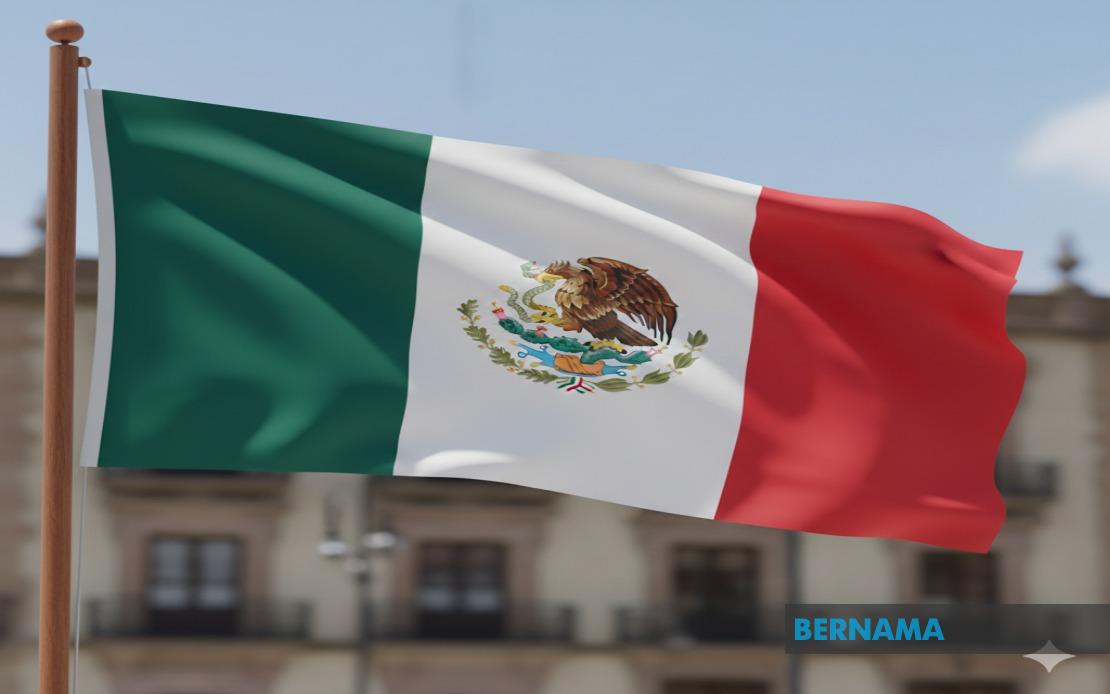
Mexico has escalated its response to the deaths of its citizens in connection with US immigration enforcement by formally referring the matter to the United Nations Human Rights Commissioner. In a letter delivered on Tuesday, Mexican Foreign Minister Roberto Velasco asked UN High Commissioner Volker Türk to examine multiple deaths and request information from American authorities about the circumstances surrounding them. This move signals a fundamental shift in Mexico's approach, moving beyond traditional diplomatic channels to seek multilateral scrutiny of what Mexico views as potential violations of international human rights standards.
The referral requests that the UN High Commissioner's office conduct a comprehensive assessment of whether the incidents align with the United States' obligations under international human rights law. Beyond investigation, Mexico is asking for formal recommendations and, where appropriate, escalation to the UN Human Rights Council's special procedures—a mechanism designed to address systemic human rights concerns. This institutional route represents a deliberate attempt to internationalise what Mexico considers a pattern of enforcement operations with fatal outcomes for its nationals.
President Claudia Sheinbaum underscored the gravity of the situation last week when she announced that Mexico would no longer confine its response to diplomatic correspondence but would pursue concrete legal remedies against responsible officials. According to Mexican government figures, three Mexican citizens have been killed during ICE operations themselves, while an additional fourteen have died while incarcerated in deportation detention facilities. These statistics form the basis for Mexico's assertion that a systemic problem exists warranting formal investigation and accountability measures.
The Mexican government, working through its Attorney General's Office, is preparing a formal complaint to be submitted to the US Department of Justice via the Mexican embassy in Washington. This complaint will document the incidents and deaths, establishing an official record within the American legal system. Simultaneously, Mexican embassies and consulates across the United States have begun filing complaints with relevant prosecutors in the states where deaths occurred, creating parallel investigations at the state level. These multi-layered legal approaches reflect Mexico's determination to pursue accountability through every available avenue.
Mexico has also initiated cease-and-desist proceedings against detention facilities involved in cases resulting in death or injury. The Adelanto detention facility in California received the first such letter, which Mexican officials characterise as an opening move toward potential civil litigation. This legal manoeuvre carries symbolic significance beyond its immediate procedural function—it formally notifies facility operators and their parent companies that Mexico views their operations as potentially culpable and that compensation claims may follow. The strategy transforms what might otherwise remain a diplomatic dispute into a matter subject to American civil courts.
The most recent catalyst for Mexico's escalated response came with the July 7 death of Lorenzo Salgado Araujo in Houston. According to the US Department of Homeland Security, Salgado Araujo disregarded officer commands, rammed a law enforcement vehicle with his car, and then attempted to strike an officer with his vehicle, prompting an ICE officer to open fire. However, this official account has faced significant pushback from Salgado Araujo's family, civil rights advocates, and Democratic politicians, who have collectively demanded an independent investigation into the shooting.
Salgado Araujo's profile—a man who had resided in the Houston area for more than thirty years and established a construction business—adds another layer to Mexico's grievance. His deep roots in the American community and established economic contributions underscore Mexico's argument that these are not isolated incidents involving individuals with minimal ties but rather involve long-term residents with families and business interests. The case illustrates the human costs of enforcement operations and provides Mexico with a specific, detailed narrative to present to international bodies.
For Malaysian and Southeast Asian observers, Mexico's approach offers instructive precedent regarding how nations can challenge immigration enforcement practices of larger neighbours through international institutional mechanisms. Mexico's strategy—combining domestic legal action with UN referral and civil litigation threats—demonstrates how smaller nations can apply diplomatic pressure without relying solely on traditional negotiation. The case also reflects broader global tensions around immigration enforcement and the treatment of migrants during deportation procedures, issues relevant across Asia where many nations grapple with similar challenges regarding their citizens abroad.
The diplomatic tension between Mexico and the United States over immigration enforcement operations carries economic implications given the substantial trade relationship and labour flows between the countries. Mexico's willingness to take the matter to the UN signals that immigration enforcement has become sufficiently contentious domestically that the Mexican government faces political pressure to respond forcefully. The shift from diplomatic protest to formal legal and international mechanisms indicates that previous complaints through conventional channels yielded insufficient results in Mexico's assessment.
The involvement of Democratic politicians and civil rights groups in questioning ICE operations suggests that the issue has become domestically controversial in the United States as well. This internal American debate creates space for Mexico's international campaign, as these organisations may lend credibility to Mexico's assertion that independent investigation is warranted. The convergence of internal and external pressure potentially creates conditions for substantive review of individual cases and broader operational practices.
Mexico's referral to the UN Human Rights Commissioner represents an important test of international human rights mechanisms' responsiveness to state complaints regarding enforcement operations. The High Commissioner's office can initiate dialogue with the US government, potentially leading to administrative reforms in detention facility operations or ICE procedures. While binding enforcement remains limited, international scrutiny can influence policy through reputational pressure and the threat of expanded investigations.
Looking forward, the outcome of this UN review process will shape how other nations approach similar grievances regarding their citizens' treatment during US immigration enforcement. Should the High Commissioner's office produce findings critical of American practices, it would establish precedent for multilateral oversight of domestic immigration enforcement. Conversely, if the review process proves inconsequential, it may prompt Mexico and other nations to seek alternative mechanisms for addressing such concerns. Mexico's decision to pursue this path demonstrates that traditional bilateral diplomacy alone no longer suffices when nations perceive systematic threats to their citizens' safety abroad.

