The Perbadanan Pembangunan Sungai dan Pantai Melaka (PPSPM) is pressing ahead with an aggressive expansion strategy for its signature tourism offering, the Melaka River Cruise (MRC), as it pursues a target of one million passengers by the close of the year. With 350,000 visitors already aboard the heritage waterway tour by June, the authority faces the challenge of capturing the remaining 60 per cent of its ambitious annual quota during the second half of 2024. The push reflects the growing importance of river-based tourism to Melaka's broader economic development strategy, particularly as the state competes with neighbouring destinations to diversify its visitor economy beyond traditional heritage attractions.
Shaharul Azuar Idris, chief executive of PPSPM, outlined the organisation's two-pronged approach to meeting its passenger forecast. The authority is rolling out a suite of specially priced travel packages designed to appeal to both domestic and international markets, while simultaneously ramping up promotional campaigns across multiple channels. This dual strategy acknowledges the reality that achieving such targets requires not only competitive pricing but also sustained visibility in an increasingly crowded tourism marketplace. For Malaysian travellers and regional visitors, the emphasis on promotional intensity signals that the MRC is positioning itself as an essential experience rather than an optional add-on to a Melaka visit.
The operational infrastructure supporting the cruise service has undergone significant expansion and modernisation. PPSPM currently maintains a fleet of 60 vessels, with 30 allocated to the main Melaka River route and another 30 operating the separate Eco Cruise service at Tasik Chinchin. This distributed fleet model allows the operator to manage passenger flow across complementary attractions, creating opportunities to package combined experiences and extend visitor spending. The authority recognises that safety and comfort remain paramount concerns for passengers, particularly families and elderly visitors who form a substantial portion of the cruise market. Accordingly, the organisation has implemented ongoing enhancements to vessel operations and is evaluating proposals to introduce newer boats equipped with contemporary technology systems.
Among the fleet's premium offerings are the specially rebranded vessels such as the 'Everlasting Love Boat' and 'Tun Khalil Cruise', which have been upgraded to provide enhanced onboard dining experiences. These premium tier services exemplify how PPSPM is attempting to capture different market segments simultaneously—the budget-conscious traveller seeking an affordable river experience alongside the affluent visitor willing to pay premium rates for curated dining and enhanced comfort. This market segmentation strategy is increasingly common among Southeast Asian tourism operators seeking to maximise revenue per visitor during an era of intensifying competition for tourism expenditure.
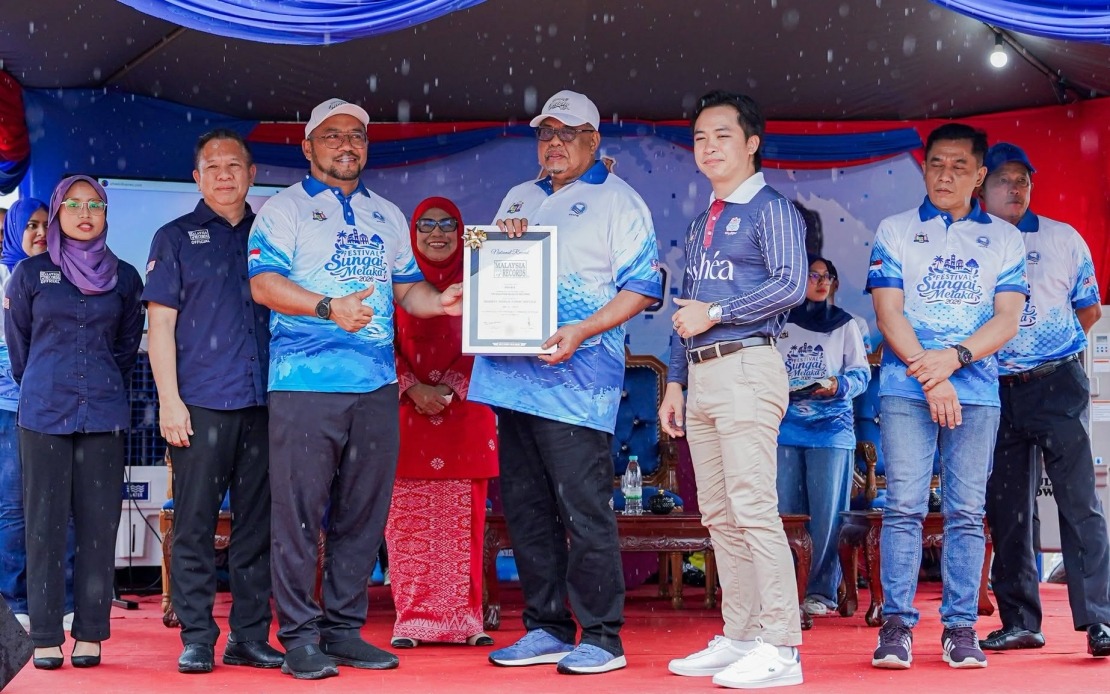
The official presentation of the Malaysia Book of Records (MBOR) certificate during the Melaka River Festival 2026 awards ceremony underscores the authority's efforts to gain recognition and prestige for its offerings. Such certifications serve multiple purposes: they validate the scale and quality of the operation, generate positive publicity, and provide marketing collateral that elevates the MRC's standing in the minds of potential visitors. Melaka Chief Minister Datuk Seri Ab Rauf Yusoh's presence at the ceremony signals state-level political commitment to the river cruise initiative as a key pillar of Melaka's tourism and economic development agenda.
Beyond the commercial targets, PPSPM is leveraging the cruise platform to serve state-wide development objectives. The authority plans to offer complimentary rides to over 5,000 visitors aboard both the Melaka River Cruise and the Tasik Chinchin Eco Cruise during the National Day celebrations on August 31. This initiative, delivered through the state government's Melaka Sayang Rakyat (MeSRa) programme, functions simultaneously as a gift to residents and a promotional tool designed to cultivate future paying customers. By introducing citizens to the cruise experience during a nationally significant celebration, the authority increases the likelihood of repeat visits from converted first-time users, thereby building a sustainable domestic customer base that complements international tourism revenue.
The National Day promotion also demonstrates how tourism infrastructure can be harnessed to support broader social and nationalist objectives. By making the cruise accessible to ordinary Melaka residents during a patriotic occasion, PPSPM contributes to feelings of civic pride and shared access to state assets—important considerations in an era when tourism development is sometimes perceived as benefiting external visitors at the expense of local populations. This populist dimension may prove valuable for securing continued public and political support for the authority's expansion plans.
Operational readiness for major promotional events such as the National Day cruise programme requires meticulous planning across multiple dimensions. PPSPM has committed to ensuring adequate staffing levels and vessel availability to prevent lengthy queues or extended boarding delays, recognising that poor service delivery during high-profile events can damage the MRC's reputation and discourage repeat business. The authority's attention to these operational details suggests a maturing understanding of how customer experience directly influences word-of-mouth marketing and online reviews—increasingly important factors in travel decision-making.
The broader context for PPSPM's ambitious targets includes Melaka's positioning within Malaysia's tourism hierarchy and the state's economic recovery following the pandemic-related disruptions that affected tourism globally. River cruise tourism has proven particularly resilient in Southeast Asia, as the format appeals to diverse demographic groups and allows destinations to showcase their cultural and natural heritage in an intimate, leisurely format. For Melaka specifically, the MRC integrates the state's rich historical waterfront with modern tourism infrastructure, creating a product that appeals simultaneously to heritage enthusiasts, families seeking entertainment, and international tourists seeking authentic Southeast Asian experiences.
Achieving the one million passenger target would represent a significant accomplishment that would validate PPSPM's operational model and justify ongoing investment in fleet expansion and service enhancement. However, the challenge of securing 650,000 additional passengers during the remaining months of the year underscores the competitive pressures facing Malaysia's tourism sector. Regional destinations throughout Southeast Asia—from Thailand's Chao Phraya River cruises to Vietnam's Mekong River tours—offer similar experiences at varying price points, obligating PPSPM to continuously enhance its value proposition through service quality, competitive pricing, and effective marketing.
Looking forward, the authority's evaluation of proposals for new boat technology suggests recognition that standing still is not an option in tourism. As international visitors increasingly expect modern amenities and eco-friendly transportation options, PPSPM's willingness to invest in technology upgrades positions it to capture emerging segments of environmentally conscious and tech-savvy travellers. Whether the organisation can successfully balance the demand for modern conveniences with the preservation of the heritage atmosphere that makes the Melaka River Cruise distinctive will significantly influence its long-term success and ability to sustain passenger growth beyond this year's ambitious target.

