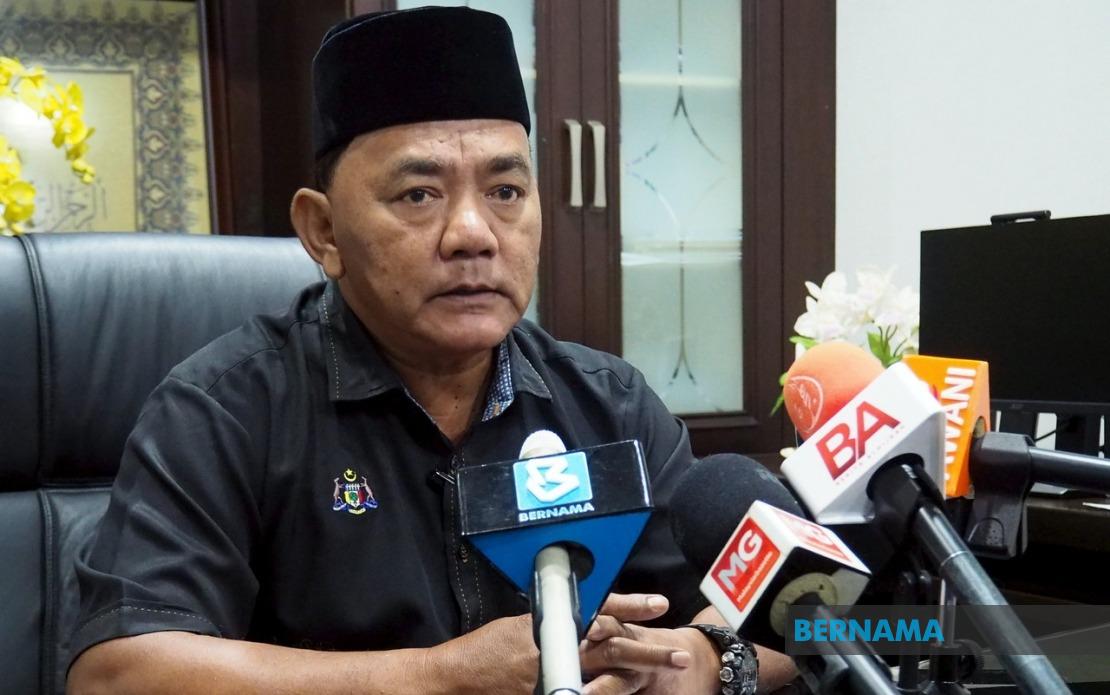
Melaka's government has set its sights on a significant restructuring of the state's Islamic judicial framework, with plans to introduce a Main Syariah Court within the next twelve months. The ambitious initiative, unveiled by Datuk Rahmad Mariman, the State Education, Higher Education, and Religious Affairs Committee Chairman, represents a watershed moment for the state's Syariah judicial system, provided the necessary legal procedures and State Assembly approvals proceed as scheduled.
The establishment of this new Main Syariah Court would introduce an additional layer to Melaka's existing Syariah judicial hierarchy, creating a more comprehensive appellate or supervisory structure within the Islamic court system. This move aligns with broader modernisation efforts across Malaysian states to enhance institutional capacity and administrative efficiency in religious courts, where caseloads have grown substantially over recent years. According to Rahmad, the project sits at the heart of a comprehensive reform agenda being advanced through two key legislative instruments: the proposed Melaka Syariah Courts Bill and the Syariah Court Civil Procedure (Court Fees) Rules.
Beyond the establishment of the new court, the government is simultaneously tackling the appointment mechanisms for Syarie judges, seeking to streamline what has historically been a complex and lengthy process. This procedural refinement carries particular significance for states like Melaka that have experienced increasing demand on their Islamic judicial infrastructure. By simplifying the vetting and appointment pathway for judicial officers, policymakers hope to reduce vacancies and ensure courts operate at full capacity. Such reforms reflect lessons learned in other jurisdictions where bottlenecks in judicial staffing have delayed case resolution and created backlogs affecting litigants seeking swift remedies for family and civil disputes.
The timeline for implementation hinges on constitutional and parliamentary procedures. Rahmad emphasised that amendments to the relevant Islamic judicial enactments must first be presented to the State Assembly sitting, a procedural step that ensures proper legislative scrutiny and transparency. While the government targets next year for commencement, the phased nature of such institutional change means full operational capacity may extend beyond the initial launch date. This staged approach is not unusual in Malaysian state governance, where legal frameworks must align with federal constitutional provisions governing Islamic law and state jurisdiction.
Statistical evidence suggests Melaka's Syariah courts are already functioning at a creditable efficiency rate. Between January 2024 and August 2024, the Melaka Syariah Court resolved 11,037 cases out of a total 13,424 civil and criminal matters brought before it, translating to an 82 percent resolution rate. This performance metric reflects institutional dedication to expediting dispute resolution while maintaining judicial standards. The remaining 18 percent of pending cases may involve complex matters requiring extended deliberation, appeals processes, or procedural complexities inherent in family law and Islamic financial disputes.
Rahmad framed the court's mandate broadly, emphasising that Syariah courts serve functions extending well beyond mere dispute adjudication. In his view, these institutions function as custodians of family integrity and social cohesion, providing citizens with accessible channels to navigate matrimonial problems, inheritance claims, and Islamic legal entitlements. This conceptualisation echoes a growing regional understanding that Islamic courts represent more than transactional venues for litigation, but rather play preventative and restorative roles within communities. The emphasis on family harmony reflects Islamic jurisprudential traditions prioritising reconciliation and social stability over adversarial outcomes.
Parallel to judicial reforms, Melaka is intensifying public engagement with its religious institutions through the Melaka Syariah Court Mahabbah Programme 2026. Inaugurated during an event attended by Melaka Mufti Datuk Abdul Halim Tawil and Chief Syarie Judge Azzeman Omar at the Melaka Syariah Court Complex in Ayer Keroh, this initiative targets heightened community awareness regarding citizens' rights, obligations, and appropriate legal remedies. By bringing the Syariah judicial system into closer contact with the public, the programme endeavours to destigmatise court engagement and demystify Islamic legal procedures, potentially encouraging earlier intervention in family disputes before matters escalate.
For Malaysian states observing Melaka's trajectory, these developments offer instructive precedent. The combination of institutional capacity-building, procedural streamlining, and public outreach represents a holistic modernisation strategy applicable across the federation. States grappling with similar caseload pressures and staffing constraints might draw on Melaka's blueprint for judicial reform. Furthermore, the forthcoming Maulidur Rasul celebration scheduled for August 29 at Dataran 1Malaysia Klebang, featuring special awards recognising Islamic institutional excellence, signals the broader political commitment to elevating the profile and standards of religious governance in the state.
The implications for Malaysian readers extend beyond Melaka's borders. With increasing complexity in Islamic family law, property disputes, and financial matters across the federation, any state successfully demonstrating enhanced judicial capacity becomes a model for policy replication. The proposed reforms also underline how Malaysian states, within their constitutionally designated spheres of authority over Islamic affairs, continue innovating in governance structures. Such developments remind citizens that institutional modernisation in Islamic courts remains an evolving process, responsive to demographic change and litigant demand.
Looking forward, the success of Melaka's initiative will likely depend on several factors beyond legislative approval, including adequate budgetary allocation for court infrastructure, availability of qualified Syarie judges, and sustained public awareness of services. Should the Main Syariah Court launch successfully next year and demonstrate tangible improvements in case throughput or judgment quality, other Malaysian states may accelerate similar institutional reforms. Conversely, implementation challenges could highlight persistent resource constraints affecting Islamic judiciary expansion across the federation, shaping the trajectory of religious court modernisation across Malaysia.

