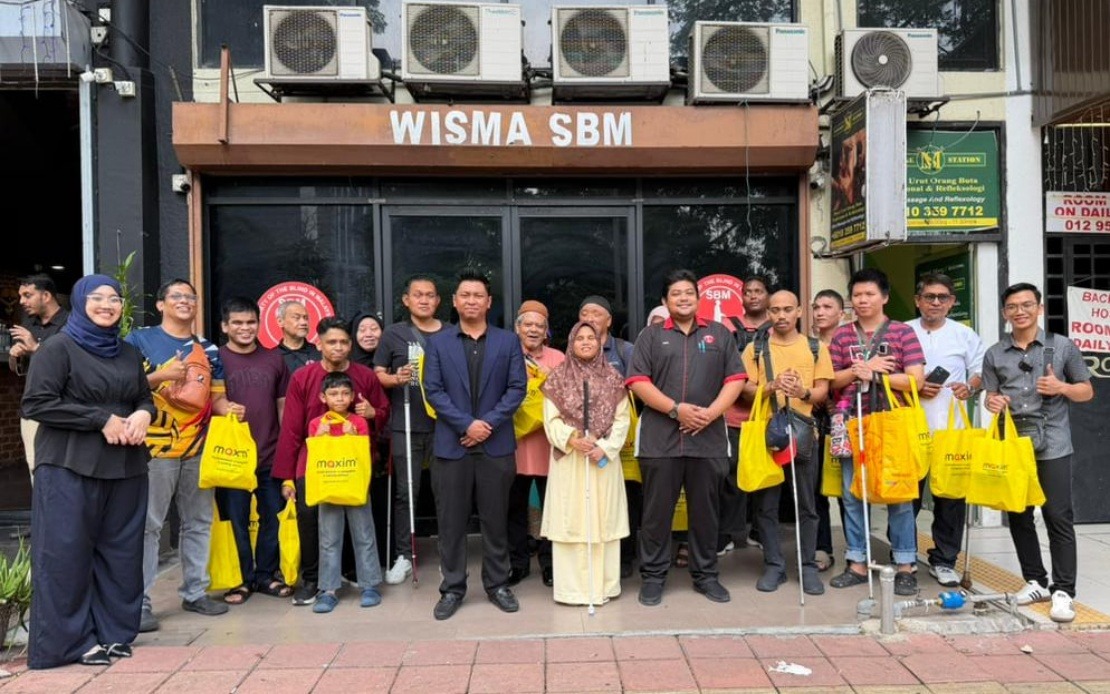
E-hailing platform Maxim has escalated its commitment to dismantling transportation barriers facing Malaysia's most vulnerable populations, deploying a multifaceted strategy combining competitive pricing, accessibility-focused technology, and collaborative partnerships with organisations serving underserved communities. The company's initiative represents a deliberate shift toward addressing mobility as a fundamental enabler of opportunity rather than a service confined to urban, economically advantaged populations.
Maxim Kuala Lumpur Head Syed Abdul Syarif Syed Peiaru positioned the company's accessibility push within a broader philosophy of inclusive opportunity, articulating how reliable transportation extends far beyond simple point-to-point travel. His framing acknowledges that transportation gaps directly constrain access to employment, education, healthcare, and social participation—systemic barriers that disproportionately affect persons with disabilities, elderly Malaysians, students, and residents in underserved areas. By characterising mobility as a gateway to independence, the company recognises how transportation-related disadvantage intersects with other forms of social exclusion.
Central to Maxim's accessibility framework is the Mesra OKU service, a purpose-built offering featuring extended waiting periods to accommodate boarding requirements, driver training in disability assistance protocols, explicit mobility aid support, and voice-recognition booking capabilities. The service architecture reflects deliberate design thinking around the specific challenges wheelchair users, visually impaired passengers, and individuals with mobility limitations encounter with conventional ride-hailing. By enabling passengers to flag assistance needs directly through the application interface, Maxim attempts to standardise communication between users and drivers, reducing friction and uncertainty in service delivery.
The company's partnership architecture demonstrates strategic recognition that accessibility cannot be achieved through platform design alone. Collaborations with hospitals, educational institutions, NGOs, and community organisations embed Maxim's services into broader support ecosystems serving vulnerable populations. This approach potentially creates feedback loops where partner organisations can communicate their users' transportation challenges back to Maxim's product teams, informing service refinement. The partnership with the Society of the Blind Malaysia, specifically promoting TalkBack voice features, exemplifies how targeted collaboration can activate existing technology to serve particular communities.
Affordability initiatives underpin Maxim's inclusion strategy, with special pricing mechanisms designed specifically for persons with disabilities and individuals requiring mobility assistance. This pricing differentiation acknowledges that underserved populations typically face both higher transportation costs relative to income and greater transportation dependency. By reducing the financial burden of rides, Maxim removes a material constraint on access to services. However, the sustainability of such pricing structures and their long-term impact on driver earnings deserve scrutiny—subsidising accessibility requires either absorbing margins or compensating drivers differently for inclusive service provision.
Malaysia's specific geography and development context render mobility accessibility particularly consequential. Rapid urbanisation has created pockets of underserved areas even within major cities, while significant rural-urban disparities in transportation infrastructure persist. For low-income urban households and elderly Malaysians in particular, reliable ride-hailing services can substitute for personal vehicle ownership or supplement inadequate public transportation. Extending platform accessibility to these populations addresses practical mobility gaps that public transit systems alone have not resolved.
Maxim's foray into supporting para-athletes and adaptive sports communities—illustrated through transport assistance for Sarawak para swimmers—signals that accessibility thinking extends beyond essential services to enabling participation in competitive and recreational activities. This dimension underscores how mobility constraints limit not only economic productivity but also personal development, health, and community engagement. Supporting para-athletes navigating training and competition schedules demonstrates that platform accessibility can facilitate ambitious personal goals among persons with disabilities.
The technological dimension of Maxim's approach emphasises transparent fares, real-time driver connectivity, and streamlined booking interfaces designed to reduce friction for users who may experience barriers with conventional digital systems. Voice-recognition features and assistive technology integration represent deliberate choices to accommodate visual impairments and physical limitations affecting standard touchscreen interaction. As the company's leadership emphasises, technology should inherently support broader accessibility rather than serving as an additional barrier to underserved groups.
The broader Malaysian context shapes both the potential and limitations of Maxim's accessibility agenda. Awareness of accessible e-hailing services remains uneven across the disability community; outreach and education will likely prove essential for ensuring that eligible users understand and utilise tailored services. Furthermore, driver accountability for delivering promised accessibility features depends on training quality, incentive alignment, and monitoring mechanisms—areas where platform governance remains crucial.
Maxim's positioning of transportation accessibility as an inclusion strategy carries implications for how regional policymakers conceptualise transportation equity. By demonstrating commercial viability of accessibility-focused services, the company may influence regulatory frameworks and competitive dynamics across Southeast Asia. Alternatively, if accessibility initiatives prove commercially unsustainable without external subsidisation, the experience could illuminate the limits of purely market-driven approaches to mobility equity.
The company's stated commitment to ongoing collaboration with government agencies, healthcare providers, educational institutions, and NGOs suggests recognition that platform solutions operate within broader policy ecosystems. Truly inclusive transportation likely requires coordination between ride-hailing platforms, public transit agencies, urban planners, and disability advocacy organisations. Maxim's acknowledgment of this complexity—rather than positioning accessibility as a platform-only challenge—indicates maturity in how the company conceptualises its role within Malaysia's transportation landscape.
Moving forward, the critical test of Maxim's accessibility initiative will be whether initiatives translate into measurable increases in transportation access for target populations. Quantifying impact—tracking adoption rates among persons with disabilities, measuring wait times and service reliability, monitoring affordability outcomes—will determine whether rhetoric translates into genuine barrier removal. The company's willingness to report transparently on accessibility metrics, solicit feedback from disability communities, and adapt services based on user experience will ultimately determine whether this represents substantive inclusion or primarily a marketing repositioning.

