Dr Maszlee Malik, the Pakatan Harapan candidate contesting the Puteri Wangsa state seat in Johor, took the wheel of a Perodua Myvi to traverse roads from Kampung Melayu Tebrau to Ulu Tiram, responding directly to online calls from residents to experience first-hand the deteriorating road conditions and traffic gridlock that plague the constituency. The challenge, undertaken on June 29, represented an attempt by the former education minister to move beyond anecdotal complaints and genuinely grasp the daily frustration experienced by commuters navigating the network of ageing thoroughfares in the region.
The symbolic journey held particular resonance in Malaysian politics, where candidates often remain insulated from the actual lived experience of ordinary voters. By choosing the Perodua Myvi—a humble family vehicle synonymous with Malaysian roads—Maszlee sought to demonstrate accessibility and a willingness to engage with constituent grievances at ground level rather than through official briefings. The route itself, passing through Pandan and Kangkar Tebrau before reaching Ulu Tiram, encompasses some of Johor Bahru's most congested and structurally compromised stretches.
The experience proved visceral. Maszlee's description of the drive as resembling "riding a boat in Tanjung Surat"—evoking the swaying motion of traditional wooden boats—painted a vivid picture of roads so severely potholed and uneven that basic vehicle suspension cannot adequately absorb the surface irregularities. His observation carried weight precisely because it came from direct sensory experience rather than statistical abstraction. Residents had been articulating these concerns through social media channels for years, yet the issues persisted, suggesting that the chain of communication between grassroots and decision-makers had fractured somewhere along the line.
The infrastructure crisis in constituencies like Puteri Wangsa reflects a broader Southeast Asian challenge: rapid urbanisation that outpaces the capacity of existing road networks to absorb traffic volumes. Areas such as Taman Daya, Taman Pelangi Indah, and the broader Tebrau corridor have experienced explosive residential and commercial development, yet the foundational infrastructure—the roads themselves—has not been correspondingly upgraded. This creates a vicious cycle where increased density generates greater congestion, which accelerates pavement deterioration, which further degrades journey times and vehicle longevity.
Maszlee's analysis pointed to systemic coordination failures. He identified the need for tighter collaboration between the Public Works Department (JKR), urban planners, and multiple stakeholder agencies, suggesting that siloed decision-making across government departments had prevented coherent infrastructure responses. His background as a former Member of Parliament for Simpang Renggam and minister gave him credibility on this diagnosis, though it simultaneously raised questions about why such coordination failures persist even when senior political figures acknowledge them.
The candidate's framing emphasised long-term planning as the solution, positioning infrastructure investment not as crisis management but as foundational to future development quality. This perspective aligns with emerging regional thinking in Southeast Asia, where cities like Singapore, Bangkok, and Kuala Lumpur increasingly recognise that traffic congestion and road degradation represent economic drains that compound over decades. Poor infrastructure imposes invisible costs on residents through fuel consumption, vehicle maintenance, and lost productivity—expenses borne individually but reflecting collective policy failures.
Maszlee's commitment to listen first, identify priorities, and then determine solutions suggested a consultative approach to governance, though critics might observe that such methodology, while politically appealing, risks diffusing responsibility across multiple stakeholders rather than establishing clear accountability. Nevertheless, in the Malaysian electoral context, where candidates frequently make sweeping promises without demonstrated understanding of constituent circumstances, even this modest commitment to evidence-based policymaking represented a differentiation.
The Puteri Wangsa contest itself carried strategic importance beyond Maszlee's individual candidacy. The five-way contest involving Maszlee, Rashifa Aljunied of MUDA, Teow Chia Ling of Barisan Nasional, Nicholas Paul Vincent of Parti Bersama Malaysia, and independent Wang Wee Siong fragmented the opposition vote while testing MUDA's electoral viability in Johor. With 128,723 registered voters, the constituency represented a genuine marginal seat where ground-level engagement—the kind Maszlee demonstrated through his Myvi journey—could meaningfully influence outcomes.
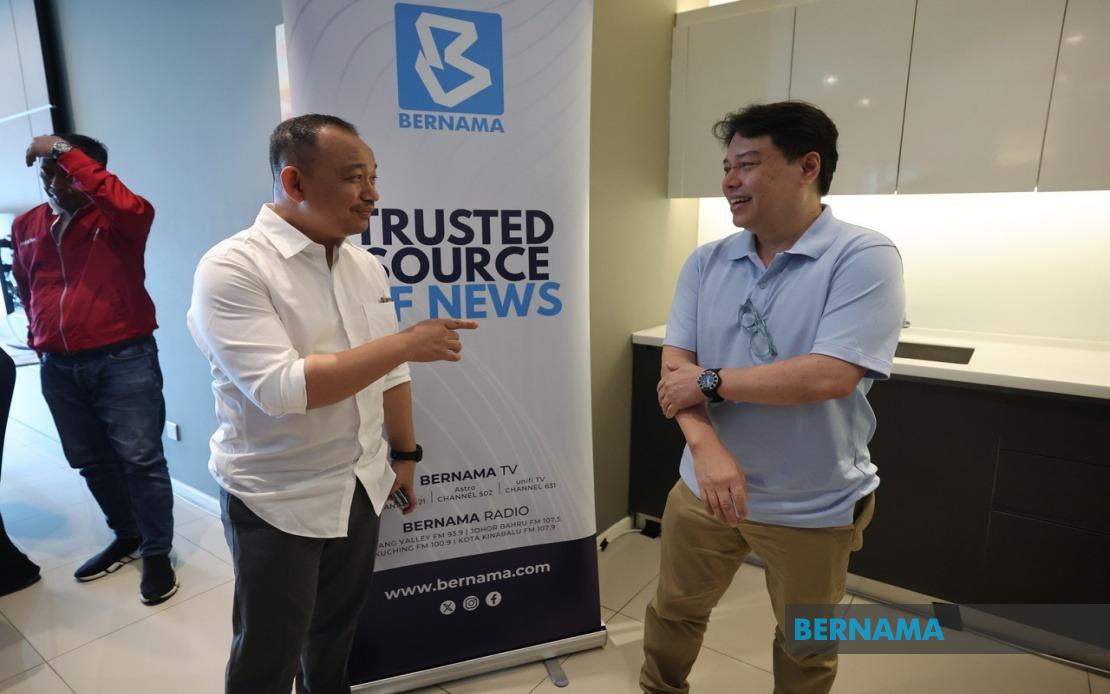
The timing of Maszlee's exercise, occurring during the campaign period leading to the July 11 polling date, ensured maximum visibility and press coverage. His visit to the Bernama Operations Room amplified the narrative beyond mere personal experience, embedding it within Malaysia's official news infrastructure. This represented sophisticated political communication, transforming a challenge from social media into a platform demonstrating candidate responsiveness and empathy.
For Malaysian voters beyond Johor, Maszlee's approach carries broader implications. It exemplifies a potential shift toward performance-based evidence in electoral discourse, where candidates increasingly must demonstrate that they have moved beyond rhetoric to tangible engagement with voter concerns. The Myvi drive became a metaphor for grounded leadership in contrast to air-conditioned boardroom politics. However, translating such symbolic gestures into actual policy delivery remains the critical test, one that will only be measurable after voting concludes and governance begins.
As Southeast Asian democracies mature, expectations for political engagement evolve accordingly. Urban voters increasingly demand that representatives understand local conditions intimately, not peripherally. Maszlee's willingness to endure two hours of uncomfortable driving positioned him as more in touch with constituent experience than competitors relying solely on doorstep canvassing and rally addresses. Whether this translates into electoral success on July 11 will indicate whether Malaysian voters genuinely reward such ground-level accountability or whether traditional party machinery and personality politics continue to dominate outcomes.

