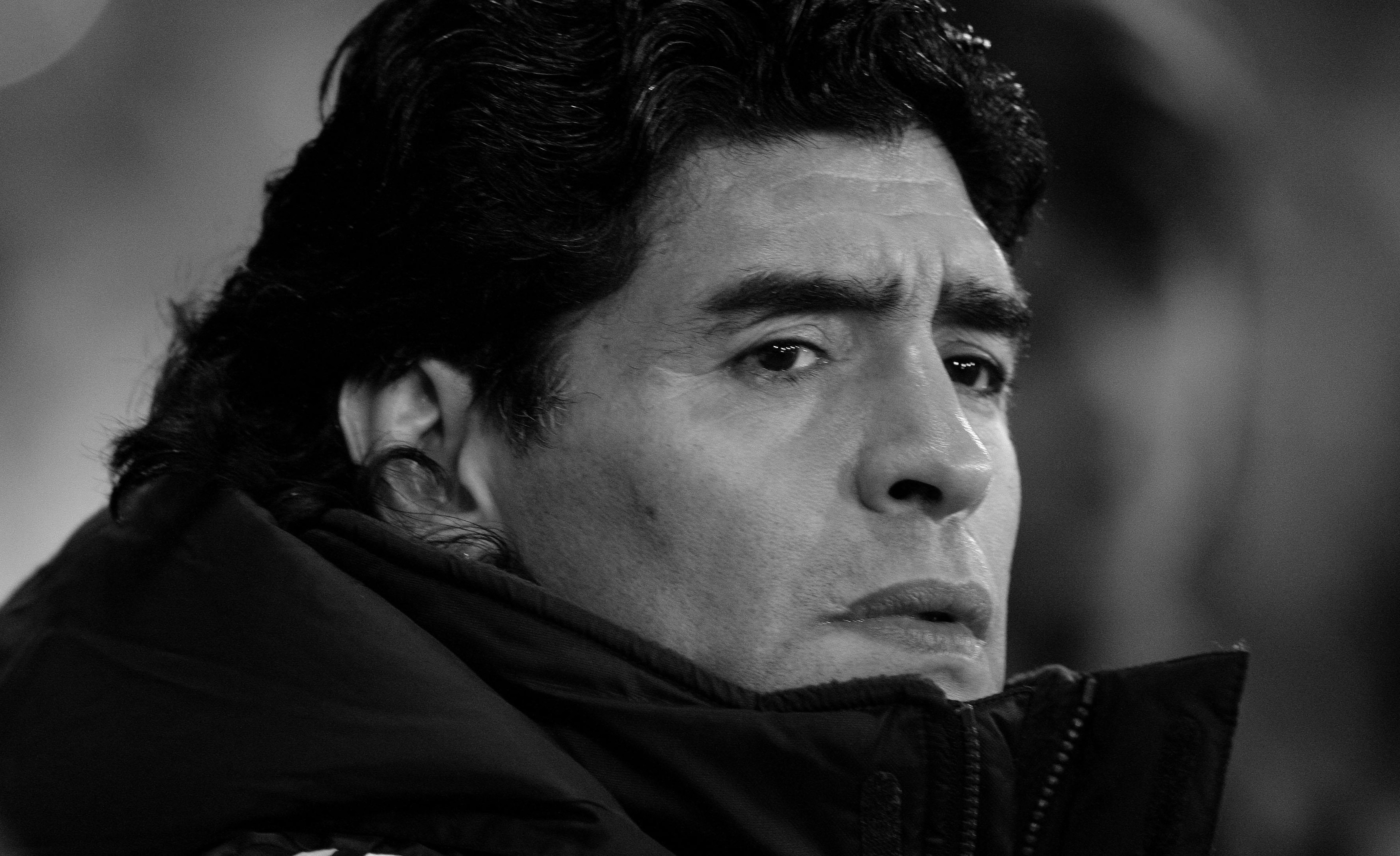
The ongoing legal proceedings investigating the circumstances surrounding Diego Maradona's death have encountered a significant procedural setback, with the trial temporarily suspended after authorities discovered that critical medical documentation had been mishandled. According to reports cited by the German Press Agency, kidney test results belonging to Maradona's father were incorrectly attributed to the Argentine football icon himself, creating confusion around the medical evidence central to the case. This administrative error has forced the court to pause proceedings for one week while judges work to locate and secure the correct medical records, underscoring the challenges facing a trial already marred by previous complications.
Maradona died on November 25, 2020, from a heart attack at the age of 60. His father, also named Diego, had passed away five years earlier in 2015. The confusion over kidney test results highlights how complex medical documentation can become tangled in high-profile cases involving prominent figures, particularly when family members share names and have their own medical histories intertwined with court proceedings.
The trial focuses on the medical care Maradona received during his final weeks of life, particularly the at-home nursing and psychiatric support provided after he underwent brain surgery just weeks before his death. Prosecutors have leveled manslaughter charges against seven individuals involved in his care: his personal physician Leopoldo Luque, psychiatrist Agustina Cosachov, a psychologist, another medical doctor, the medical coordinator of his health insurance company, and two caregivers who attended to him daily. All defendants have maintained their innocence and rejected the accusations against them.
Investigators allege that serious lapses occurred in the quality and coordination of Maradona's home care, suggesting that the combination of medical negligence and inadequate supervision may have contributed to his death. The prosecution's case rests partly on the theory that post-surgical complications and ongoing health issues were not properly monitored or managed by those responsible for his wellbeing during this critical period.
This latest suspension represents the second major disruption to the proceedings. A previous trial lasting 21 days was declared null and void in May of last year after it became apparent that one of the three judges overseeing the case had been involved with an unauthorized documentary film about the trial itself. That revelation prompted her suspension and necessitated restarting the entire legal process, effectively erasing months of testimony and evidence presentation that had already taken place.
The documentary involvement scandal raises important questions about judicial impartiality and the challenges of maintaining proper legal procedures when high-profile cases attract significant media attention. In Argentina, where Maradona remains a cultural icon of immense proportions, the intense public interest in how his death is being investigated has created considerable pressure on the legal system to ensure fairness and transparency.
For those following the case, the repeated delays and procedural errors underscore the difficulties that can arise when legal systems attempt to handle matters involving celebrities and complex medical evidence simultaneously. Each setback prolongs the uncertainty for Maradona's family and friends seeking answers about his final days, while also straining the defendants who remain in legal limbo awaiting resolution of the charges against them.
The discovery of the mixed test results demonstrates how meticulously courts must examine documentation in medical negligence cases, where lab results and diagnostic findings can literally be matters of life and death. The court's decision to seize and carefully verify all medical records from this point forward reflects an attempt to prevent further contamination of evidence and ensure that any future verdict rests on accurate and properly authenticated medical information.
Argentina's judicial system now faces mounting scrutiny as it attempts to conduct a fair and thorough investigation into whether those entrusted with Maradona's care fulfilled their professional obligations. The repeated complications have added an unfortunate layer of dysfunction to a case that already touches on sensitive questions about celebrity culture, medical ethics, and accountability in healthcare systems. For the international sporting community and Maradona's millions of fans worldwide, including across Asia where football holds profound cultural significance, these legal proceedings represent a final opportunity to establish clear facts about what happened during his final chapter.
As the trial resumes following the one-week suspension, the court's ability to properly manage evidence and maintain judicial integrity will be tested. The case serves as a cautionary tale about the importance of rigorous document management and procedural discipline in complex litigation, particularly when medical evidence forms the cornerstone of prosecution arguments and the defendant's potential liability.

