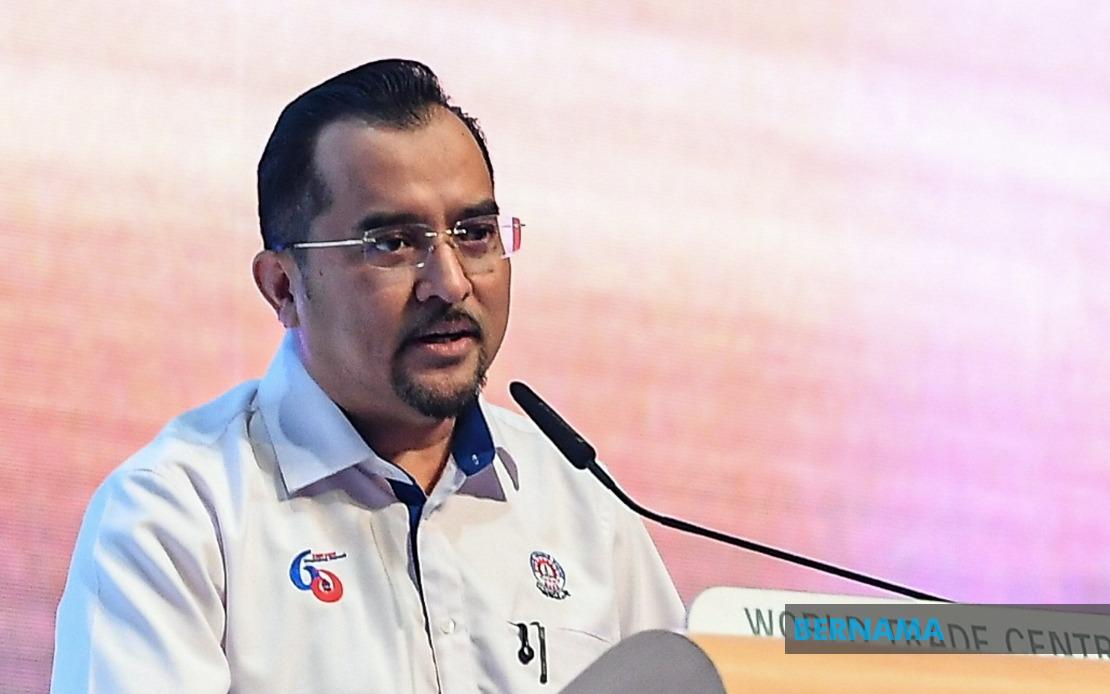
The Malaysian government's MARA institution has signalled its commitment to harsh penalties for students found responsible for bullying, as investigations begin into a serious misconduct case at one of its elite boarding colleges in Johor. Six Form Five students currently remanded for questioning will be expelled from MARA Junior Science College (MRSM) if evidence proves their involvement in the alleged mistreatment of a younger pupil, according to MARA Chairman Datuk Asyraf Wajdi Dusuki.
The case emerged publicly after the parents of a 14-year-old victim shared their account on social media, describing their son's deteriorating mental state and his request to withdraw from the institution. The family's willingness to speak openly about their experience prompted a police investigation, with the six accused students detained for two days to support inquiries. This incident has thrust the issue of student safety and institutional accountability into sharp focus, particularly given MRSM's reputation as a premier secondary education programme that attracts high-achieving pupils nationwide.
Datuk Asyraf's response demonstrates institutional pressure to act decisively. He ordered the MARA Secondary Education Division and MRSM administration to convene a Disciplinary Committee meeting within 24 hours, signalling that due process will move swiftly rather than languish in bureaucratic delay. This compressed timeline reflects the seriousness with which leadership views the allegations and the public attention the matter has attracted. The chairman's public statements, issued through Facebook, suggest an attempt to reassure both parents and the wider community that MARA takes bullying seriously rather than treating it as ordinary adolescent mischief.
The announcement of a "YOU TOUCH, YOU GO" policy codifies an absolute position: any student proven to have bullied peers will have no future at MRSM. This language, emphatic and unambiguous, leaves no room for mitigation or second chances. It contrasts sharply with traditional approaches at Malaysian boarding schools, where peer discipline and hierarchical systems have historically been treated as informal and sometimes overlooked aspects of campus life. By placing this statement at the centre of his message, Datuk Asyraf signals that the days of overlooking such behaviour under the guise of "building character" or "natural initiation" are over.
The case reflects broader concerns about the psychological wellbeing of Malaysian students in residential educational settings. The victim's withdrawal request indicates that the bullying had progressed beyond occasional teasing to a sustained campaign that affected the boy's mental health and willingness to continue his education. That a parent felt compelled to share their story publicly rather than resolve it internally suggests either previous unsuccessful attempts to address the matter through school channels or a loss of faith in institutional safeguards. This dynamic mirrors similar incidents that have surfaced at other Malaysian boarding institutions, hinting at a systemic challenge rather than an isolated aberration.
Mara's warning to any students or staff who might shield the accused demonstrates awareness that institutional loyalty can obstruct justice. In tight-knit boarding communities, there is often pressure to protect peers and maintain an unwritten code of silence. By explicitly threatening action against those who conceal bullying, leadership aims to disrupt this dynamic and encourage transparency. This approach carries implicit criticism of past school cultures where junior students faced pressure not to "inform" on seniors, and where bullying victims felt isolated and unsupported.
The incident also highlights differences in how elite and non-elite educational institutions in Malaysia handle disciplinary matters. MRSM colleges, as selective boarding schools, often operate with considerable autonomy and tradition. Parents who choose these institutions for their children frequently do so with expectations of rigorous academic standards paired with strong character development. When bullying surfaces despite these presumed safeguards, it damages institutional credibility and forces awkward questions about whether selection processes and staff training adequately prepare supervisors to spot and prevent abuse.
The chairman's call for victim support represents a second pillar of the response. By urging bullied students not to leave school and instead to report incidents to teachers and wardens, Datuk Asyraf attempts to shift the burden of action away from victims and towards institutional accountability. This framing assumes that students will trust school staff to act—an assumption that may not hold if previous complaints were dismissed or minimised. Building this confidence will require not only policy announcements but demonstrable follow-through in how complaints are investigated and acted upon.
For parents across Malaysia considering MRSM admission, this incident and the institutional response will influence perceptions of safety and duty of care. The public commitment to expulsion suggests zero tolerance, yet questions remain about how staff detect problems in the first place and whether counselling resources exist to support vulnerable boarders. The police investigation adds a layer of formal scrutiny beyond internal school proceedings, potentially setting precedent for how such cases are handled going forward and whether criminal charges might be pursued alongside expulsion.
The broader context includes Malaysia's growing awareness of mental health challenges among young people and increasing parental willingness to escalate concerns publicly rather than accept institutional explanations. Social media has reduced the power of institutions to contain or suppress such narratives. For MARA and other boarding school operators, this shift demands more transparent governance and faster institutional response to allegations, as reputational damage from delayed action or perceived cover-ups spreads swiftly online.
Datuk Asyraf's framing of the incident as contrary to MARA's values suggests that leadership views bullying as aberrational rather than structural. Whether this characterisation holds will depend on investigation findings and whether other incidents emerge. If the six accused students acted in isolation, the case may be contained through expulsion and tighter supervision. If bullying was widespread or tacitly tolerated by some staff, more fundamental changes to institutional culture would be required.
The 24-hour Disciplinary Committee deadline adds pressure but also carries risks. Swift judgment without thorough investigation could result in wrongful expulsion, while delayed action feeds perceptions of institutional foot-dragging. The balance between speed and fairness will define whether this response is seen as decisive leadership or reactive tokenism. Moving forward, MARA will need to clarify how it defines bullying, what evidence standards apply in disciplinary proceedings, and what appeal mechanisms exist for accused students—details absent from current public statements.

