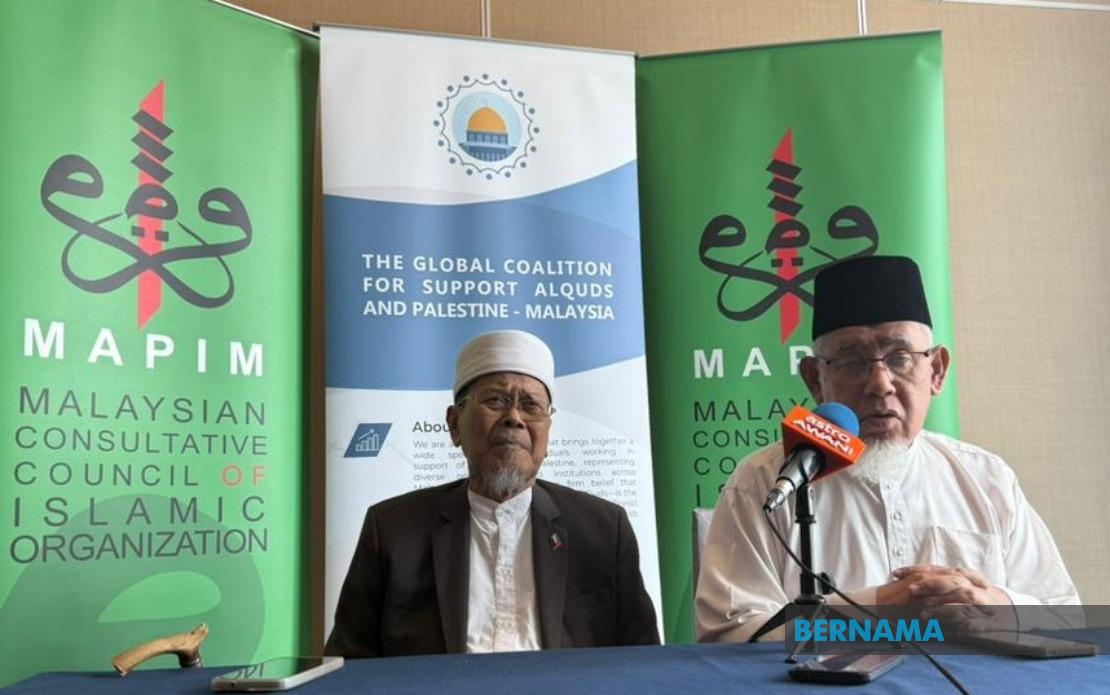
The Malaysian Consultative Council of Islamic Organisations (MAPIM) is preparing to mobilise a humanitarian response to Nepal following one of the Himalayan nation's worst natural disasters in recent years. Beginning September 5, the organisation will deploy its initial contingent of volunteers to assess conditions on the ground and coordinate the delivery of critical assistance to communities devastated by massive flash floods that struck the country on August 26.
According to MAPIM president Mohd Azmi Abdul Hamid, the decision to launch this mission reflects Malaysia's commitment to international solidarity during emergencies. Speaking at a media briefing in Ipoh on August 28, Mohd Azmi outlined how MAPIM has already established contact with the Embassy of Nepal to gain a preliminary understanding of the humanitarian landscape and identify priority areas for intervention. This diplomatic groundwork is essential for ensuring that Malaysian aid reaches those most in need without duplication or administrative obstacles.
The catastrophe that prompted this response unfolded when an avalanche-triggered flash flood tore through Nepal's mountain valleys on August 26, unleashing a destructive wave of rocks, ice, mud and debris through the Himalayan river systems. The deluge swept through settlements and infrastructure along one of the world's most renowned trekking routes, which connects Kathmandu to Lhasa in Tibet and attracts thousands of international visitors annually. Official counts indicate at least 469 people have perished, with more than 1,400 reported missing, including nearly 540 foreign nationals caught in the affected areas.
The disaster has particular significance for Malaysia given the number of citizens unaccounted for in the aftermath. The Ministry of Foreign Affairs reported that 57 Malaysians remain untraceable as of August 27 evening, based on notifications from family members, colleagues, and employers. This toll underscores how natural disasters in popular tourist destinations can have direct human costs for Malaysia's diaspora and travel communities. The missing Malaysians were likely among the trekkers traversing the mountain routes when the floods struck with minimal warning.
MAPIM's approach emphasises strategic partnership and resource coordination rather than unilateral action. The initial deployment will consist of four volunteers tasked with conducting needs assessments and facilitating the flow of aid to affected populations. This small, mobile team will serve as the eyes and ears on the ground, identifying gaps in relief efforts and determining where Malaysian assistance can have maximum impact. By combining this ground presence with coordination through official channels, MAPIM aims to ensure efficient delivery of help.
Crucially, MAPIM recognises that effective humanitarian response requires collaboration across organisational boundaries. The council has invited participation from other Malaysian NGOs and is coordinating with MyCare, an established humanitarian organisation with existing experience in disaster response. Additionally, MAPIM is partnering with two local Nepali NGOs, a decision that leverages existing infrastructure, cultural understanding, and logistical networks within Nepal itself. This multilayered approach reflects international best practices in emergency assistance, where local partners often understand community needs and communication dynamics better than external organisations.
Medical supplies and food assistance have been identified as the immediate priorities for the Malaysian mission. Mohd Azmi emphasised that medical resources will be the primary focus, recognising that in the immediate aftermath of such disasters, access to medicines, first aid supplies, and healthcare personnel can literally determine survival outcomes. The secondary priority involves distributing basic food packages to displaced persons and survivors, addressing the fundamental need for sustenance when normal food distribution networks have been destroyed or are inaccessible.
The timing of this intervention is significant within Malaysia's broader diplomatic engagement. Mohd Azmi indicated that formal notification of the special mission will be conveyed to Prime Minister Datuk Seri Anwar Ibrahim, elevating the response from a civil society initiative to one backed by governmental awareness and implicit support. This institutional endorsement may facilitate faster customs clearance for relief supplies, diplomatic coordination with Nepal's authorities, and potential government resource contributions. It also signals to Nepal that Malaysia's response carries official weight.
For Malaysian policymakers and observers, this humanitarian initiative demonstrates how Islamic organisations can lead national compassionate responses to international crises. MAPIM's proactive mobilisation reflects values of mutual aid and community responsibility that resonate across Malaysia's multicultural society. The emphasis on rapid deployment, strategic coordination, and clear communication establishes a model that other Malaysian organisations and civil society groups might emulate when responding to regional emergencies.
The Nepal disaster also highlights the vulnerability of popular tourist destinations in mountainous terrain to rapid-onset natural hazards. For Malaysia, which has significant tourism flows to the Nepal region and maintains communities of expatriates and regular visitors there, such events underscore the importance of maintaining robust support systems for citizens abroad and building institutional capacity for emergency response. MAPIM's mission, though originating from a specific religious community, serves the broader national interest by extending help to all victims regardless of faith or nationality.
As the mission prepares for deployment, it will operate against a backdrop of ongoing search and rescue operations and evolving humanitarian needs. The volatility of post-disaster situations means that careful coordination with Nepal's government and international organisations already present will be essential. MAPIM's message to the Malaysian public emphasises collective national responsibility: the humanitarian mission represents all Malaysians' desire to stand with Nepal's people during their time of greatest need, translating sympathy into concrete action that eases suffering and contributes to recovery.

