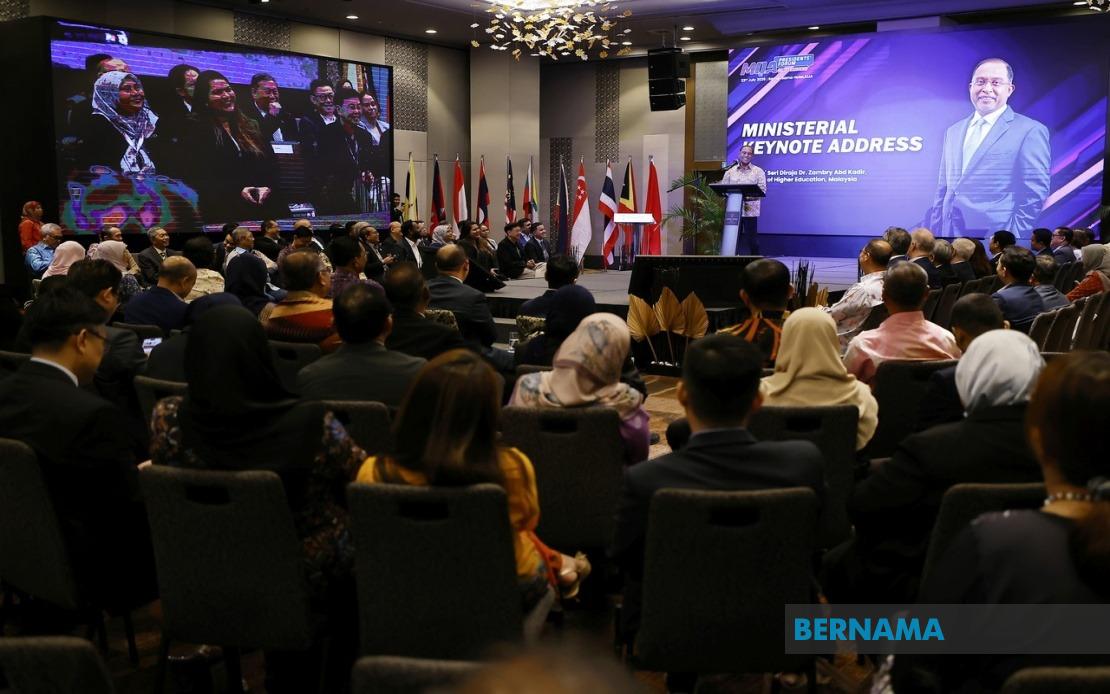
Malaysia's push to expand technical and vocational education has created an unexpected infrastructure challenge: a critical shortage of student accommodation across polytechnics nationwide. Higher Education Minister Datuk Seri Dr Zambry Abd Kadir revealed that the ministry is now prioritizing hostel maintenance and repairs to address the crisis, underscoring both the success and growing pains of the government's TVET expansion strategy.
The accommodation strain emerged following an unprecedented surge in polytechnic applications this year. New student registrations reached 30,488 across Malaysia's polytechnic network for the first semester of the 2026/2027 academic year, representing a remarkable 125 per cent achievement rate against initial targets. This exceptional uptake reflects sustained government efforts to redirect Senior Secondary Assessment holders toward technical pathways rather than purely academic university routes, a policy shift aimed at addressing Malaysia's skilled workforce requirements.
While the enrollment surge represents a policy triumph, it has exposed infrastructure limitations at institutions across the country. Kampus with aging hostel facilities have been hit particularly hard, with several polytechnics struggling to accommodate the influx of students. The ministry has identified multiple facilities in poor condition requiring urgent attention, creating immediate demands on government maintenance budgets. This situation echoes broader challenges facing Malaysia's technical education expansion: rapid growth outpacing capital expenditure on support systems.
Dr Zambry framed the accommodation issue as a positive consequence of successful policy implementation rather than a crisis, emphasizing that providing places for excess applicants reflects government commitment to expanding TVET access. However, this optimistic framing masks a practical reality: many students now occupy inadequate facilities, potentially affecting their learning experience and wellbeing. The ministry's acknowledgment of needing repairs at "several polytechnics identified as being in poor condition" suggests the problem extends beyond isolated cases to systemic infrastructure gaps.
The government has already petitioned for repair funding at affected institutions, signaling recognition that addressing this issue requires immediate budget allocation. Dr Zambry indicated the ministry was working through official channels to secure resources for hostel rehabilitation, though he stopped short of providing timelines or specific funding amounts. For students assigned to institutions with aging dormitories, resolution timelines remain uncertain, potentially affecting campus quality of life for the current cohort.
To manage immediate pressures, Dr Zambry instructed the Polytechnic and Community College Education Department director-general Dr Shamsuri Abdullah to implement urgent measures regarding student placement and related logistics. This suggests the ministry may employ short-term solutions such as phased occupancy schedules, enhanced maintenance protocols, or temporary accommodation arrangements while permanent repairs proceed. Such stop-gap measures, while necessary, highlight the need for more strategic long-term planning in capital infrastructure development.
The polytechnic accommodation challenge reflects a broader tension within Malaysia's education policy. The government has successfully incentivized TVET enrollment through various campaigns and pathway improvements, achieving enrollment targets that exceed expectations. Yet this accomplishment has surfaced existing infrastructure deficits accumulated over years of chronic underfunding in technical education. Many polytechnic facilities were built decades ago, with maintenance schedules often deferred due to budget constraints, leaving them vulnerable when demand suddenly spikes.
For regional observers, Malaysia's experience offers instructive lessons about coordinating education policy expansion with capital planning. Thailand, Indonesia, and Vietnam have similarly prioritized TVET development to address skilled workforce shortages, yet face comparable infrastructure challenges. The success of Malaysia's enrollment strategy demonstrates that policy interventions can rapidly shift student preferences toward technical pathways, but scaling enrollment without parallel investment in facilities creates bottlenecks that undermine program quality and student satisfaction.
The accommodation crisis also carries socioeconomic implications. Polytechnic students, particularly those from lower-income backgrounds, often depend on hostel facilities to access education. Inadequate accommodation may discourage applications from disadvantaged cohorts or force students into expensive off-campus rental arrangements, potentially reproducing equity gaps the TVET expansion was partly designed to address. The ministry's commitment to hostel improvements therefore has implications extending beyond facilities management to educational access and social mobility.
Looking forward, the Higher Education Ministry faces pressure to embed infrastructure planning more systematically within enrollment expansion strategies. Current reactive approaches—identifying problems after enrollment surges occur—create inefficiencies and student inconvenience. Predictive planning based on projected demand could enable proactive capital investment, ensuring facilities readiness precedes enrollment increases rather than following them.
The polytechnic accommodation issue also underscores fiscal realities facing Malaysia's education sector. Expanding TVET access requires not only policy reorientation but sustained capital investment across multiple domains: facilities, equipment, instructor training, and support services. The current hostel crisis represents one visible manifestation of broader underfunding patterns in technical education infrastructure. Resolving this particular challenge will require government commitment to hostel repairs, but sustainable solutions demand comprehensive budget allocation to technical education capital development across all polytechnic campuses.
As Dr Zambry's ministry proceeds with hostel rehabilitation, the effectiveness of its response will shape public perception of the government's ability to implement education policy expansion competently. Successfully addressing the accommodation shortage while maintaining enrollment momentum would validate the TVET expansion approach. Conversely, prolonged facility deficits or student dissatisfaction could dampen future enrollment and undermine confidence in the government's capacity to manage large-scale policy initiatives in education.

