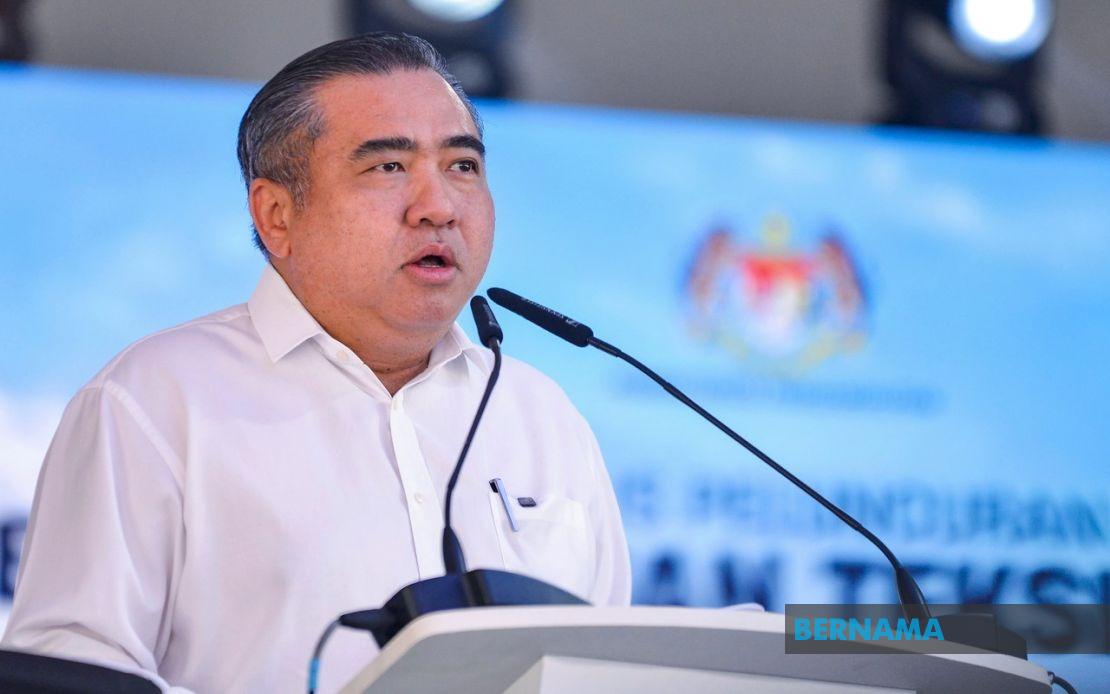
Transport Minister Anthony Loke unveiled a transformative shift in Malaysia's taxi industry on July 3, announcing that participating drivers will now own their vehicles outright rather than lease them—a departure from the traditional financing model that has characterised the sector for decades. The reform programme, officially launched by Prime Minister Datuk Seri Anwar Ibrahim at Dataran Merdeka, received special approval from the Ministry of Finance to restructure how drivers acquire and retain ownership of their vehicles, fundamentally altering the economic relationship between operators and the workforce.
The cornerstone of this reform is a crucial distinction that Loke emphasised: drivers participating in the National MADANI Taxi Reform Programme will be recognised as the legal proprietors of their vehicles even when financial institutions provide financing. This departure from conventional leasing arrangements, where ownership remained with operators or finance companies, represents a significant policy shift aimed at improving drivers' asset positions and long-term financial security. The arrangement ensures that drivers build equity in their vehicles rather than perpetually paying lease fees without accumulating ownership benefits.
Central to the programme's implementation is the selection of the Proton S70 sedan as the standardised taxi model across the reform initiative. The decision reflects deliberate consideration of practical factors that affect daily operations: the vehicle's safety features provide enhanced protection for both drivers and passengers, its interior design prioritises passenger comfort, and its fuel efficiency directly translates to reduced operational costs for drivers—a critical factor in an industry where margin optimisation determines livelihood sustainability. This standardisation also simplifies fleet management and maintenance logistics across the sector.
The visual identity of reformed taxis will signal the transformation underway. Loke announced that new taxis operating under the programme will abandon the traditional roof-mounted taxi topper, adopting instead a contemporary aesthetic that aligns with modern urban transport expectations. Instead, vehicles will bear a distinctive registration series beginning with the letters "GET," making them immediately identifiable and creating clear demarcation between reformed and traditional taxis during the transition period. This branding strategy serves both operational and symbolic functions, differentiating compliant vehicles and potentially enhancing consumer recognition of certified services.
Beyond ownership restructuring, the reform addresses a persistent challenge facing taxi drivers: earnings volatility and income limitations. The ministry has partnered with private sector entities to introduce digital advertising screens installed within taxi cabins, creating a supplementary revenue stream that transforms vehicles into mobile advertising platforms. This monetisation of previously unutilised internal space acknowledges the economic pressures on drivers whilst offering businesses a cost-effective advertising medium with high exposure among urban commuters.
Technological integration forms another pillar of the reform strategy. The programme will incorporate digital booking systems accessible through e-hailing platforms, acknowledging the market shift towards technology-mediated passenger acquisition. Rather than resisting this trend, the reform facilitates taxi drivers' integration into digital ecosystems, enabling them to compete more effectively with dedicated ride-sharing services. This approach recognises that regulatory evolution must accommodate technological change whilst preserving traditional taxi operators' viability within modernised market structures.
For Malaysian taxi drivers, this reform carries substantial implications. The transition from perpetual leasing to ownership fundamentally alters their economic trajectory, allowing accumulated payments to build equity rather than servicing ongoing lease obligations. Drivers participating in the programme gain collateral assets that can support future financial decisions, from securing loans for personal needs to planning retirement with tangible assets. Over the vehicle's operational lifespan, this structural difference could meaningfully impact drivers' financial stability and wealth accumulation—outcomes that extend beyond individual prosperity to influence household economic security across communities dependent on taxi sector employment.
The reform's timing reflects broader Malaysian policy priorities centring on the MADANI framework, which emphasises people-centric economic models prioritising worker welfare and dignified livelihoods. By restructuring ownership arrangements and introducing supplementary income mechanisms, the programme demonstrates commitment to elevating taxi drivers' economic positioning whilst modernising an essential urban transport service. However, successful implementation will depend on financing accessibility, ensuring drivers can secure reasonable terms from financial institutions and manage payment obligations alongside operational expenses.
Regionally, Malaysia's taxi reform offers instructive perspectives for Southeast Asian transport policymakers navigating the tension between traditional livelihoods and technological disruption. Rather than viewing ride-sharing technologies and taxi services as zero-sum competition, the MADANI approach integrates both within a modernised framework where ownership incentives align driver interests with service quality and longevity. This contrasts with regulatory approaches in some neighbouring jurisdictions that prioritise aggregation platforms at traditional operators' expense.
The reform's success hinges on several execution factors. Financing availability at rates drivers can sustain remains critical; overly stringent lending conditions could undermine programme uptake. Vehicle maintenance standards must be clearly articulated and enforced, as driver-owners bear responsibility for upkeep costs formerly borne by lease operators. Insurance requirements, particularly liability coverage, require transparent communication to ensure drivers understand their obligations. Additionally, the transition period will likely create operational friction as reformed and traditional taxis coexist, requiring coordinated regulatory oversight.
Looking forward, the MADANI Taxi Reform Programme represents Malaysia's attempt to preserve taxi sector viability through ownership democratisation and supplementary revenue mechanisms rather than regulatory restriction. By enabling drivers to accumulate asset value whilst facilitating their participation in digital platforms, the programme addresses legitimate concerns about driver welfare without abandoning the sector to unregulated competition. The Proton S70's selection furthermore supports Malaysia's automotive industry, creating demand for domestically manufactured vehicles and reinforcing industrial policy objectives alongside transport sector goals.
The reform's ultimate impact will be measured not merely through participation numbers but through observable improvements in driver income stability, vehicle maintenance quality, and passenger service standards. As implementation unfolds, monitoring mechanisms should track whether the ownership transition and supplementary income streams translate into tangible livelihood improvements for participating drivers. For Malaysian commuters, the reform promises modernised vehicles and integrated digital booking capabilities without sacrificing traditional taxi sector accessibility—a balance rarely achieved in transport sector transitions.

