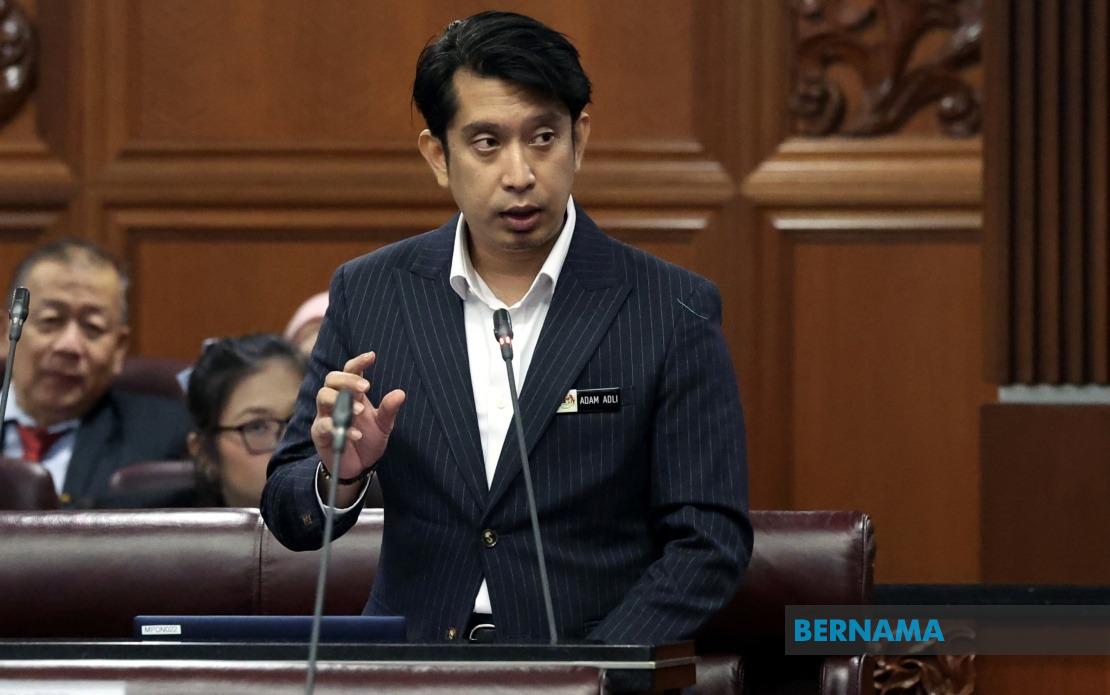
Malaysia's Ministry of Higher Education is actively developing a proposal to construct a residential college capable of housing approximately 700 students in Betong, Sarawak, as part of a broader strategy to strengthen Technical and Vocational Education and Training (TVET) provisions in underserved rural regions. Deputy Higher Education Minister Adam Adli Abd Halim outlined the initiative during parliamentary proceedings on June 29, emphasizing the administration's commitment to addressing student accommodation challenges while simultaneously expanding educational opportunities beyond urban centres.
The proposed facility would directly serve two key institutions: Politeknik Metro Betong Sarawak (PMBS) and Kolej Komuniti Betong. By establishing dedicated residential infrastructure, the ministry aims to remove a significant barrier that currently discourages rural students from pursuing advanced technical qualifications. The current accommodation shortage has created a bottleneck affecting enrollment and retention rates, particularly among students from remote districts who cannot commute daily.
The Sarawak Land and Survey Department has identified an 8.814-hectare site in Batu Api district as the ideal location for the development. Situated approximately 650 metres from the PMBS campus, the land is federally owned and has been specifically proposed for this educational purpose. However, the project must navigate several administrative processes before construction can commence. The ministry intends to petition the Prime Minister's Department—the current land custodian—for formal approval and a designated change in land use classification to facilitate the hostel's development.
Deputy Minister Adli emphasized the administration's urgency in resolving this matter, indicating that dormitory capacity for around 700 residents, or potentially slightly beyond, represents the current planning target. This phased approach reflects a pragmatic assessment of both current demand and available resources, with the potential for expansion should enrolment figures justify further infrastructure investment. The deliberate pacing demonstrates recognition that effective TVET expansion requires adequate supporting infrastructure rather than mere institutional upgrading alone.
The hostel initiative emerged in response to parliamentary questioning from Datuk Dr Richard Rapu, GPS representative for Betong, who raised concerns about educational equity in Sarawak. Dr Rapu had advocated for upgrading PMBS into a conventional polytechnic with full institutional autonomy. However, the ministry's strategic response prioritizes foundational student welfare improvements before pursuing structural institutional transformations, reflecting a conviction that housing and accommodation represent prerequisites for sustainable enrollment growth.
Current enrolment at PMBS reveals significant underutilization of existing capacity. The institution presently hosts 291 students across its Diploma in Finance and Diploma in Tourism Management programmes, representing merely 48 percent of its maximum capacity of 600 students. This shortfall underscores how accommodation barriers directly constrain institutional growth. Were residential facilities available, PMBS could realistically attract substantially higher numbers of qualified candidates from the surrounding region.
To catalyze increased enrollment while the hostel project progresses through administrative channels, PMBS is introducing a new Diploma in Business Information Systems commencing in December 2026, during the second session of the 2026/2027 academic year. This curriculum expansion responds to labour market demands and broadens the institution's appeal to prospective students seeking diverse technical pathways. Such program diversification, when coupled with improved accommodation, could significantly accelerate growth in the institution's student population.
Beyond formal diploma offerings, PMBS has demonstrated effectiveness in delivering lifelong learning programming. Under its Pendidikan Sepanjang Hayat (PSH) agenda, the institution conducted various short-term practical courses focused on accounting and tourism management competencies throughout the preceding year. These initiatives attracted 1,137 participants, indicating substantial community demand for accessible technical skills development and suggesting considerable unrealized potential for expanded programming once accommodation infrastructure is established.
While awaiting the hostel project's phased implementation, PMBS has proactively established a Student Residential and Accommodation Management Committee tasked with overseeing welfare, housing coordination, and safety protocols for students currently residing in private rental accommodation proximate to campus. This interim measure demonstrates institutional initiative in addressing immediate student needs despite resource constraints, while simultaneously laying groundwork for the transition to purpose-built facilities.
The Betong hostel project carries broader significance for Southeast Asian TVET development. Malaysia's commitment to constructing dedicated residential infrastructure for technical education students contrasts sharply with many regional neighbours' approaches and reflects recognition that rural educational access requires comprehensive support ecosystems. For Malaysian policymakers and regional educators, this initiative suggests that TVET expansion in underserved areas demands investment not merely in curricula or institutional frameworks, but equally in student accommodation, welfare systems, and community integration mechanisms.
The project's advancement through administrative approval processes over coming months will test Malaysia's institutional capacity to translate educational policy into physical infrastructure. Success would establish a replicable model for addressing rural educational inequities, positioning Sarawak as a demonstrator region for inclusive TVET expansion across Southeast Asia. Conversely, delays or complications could signal limitations in translating parliamentary commitment into concrete development outcomes, with implications for broader rural development aspirations across Malaysia.

