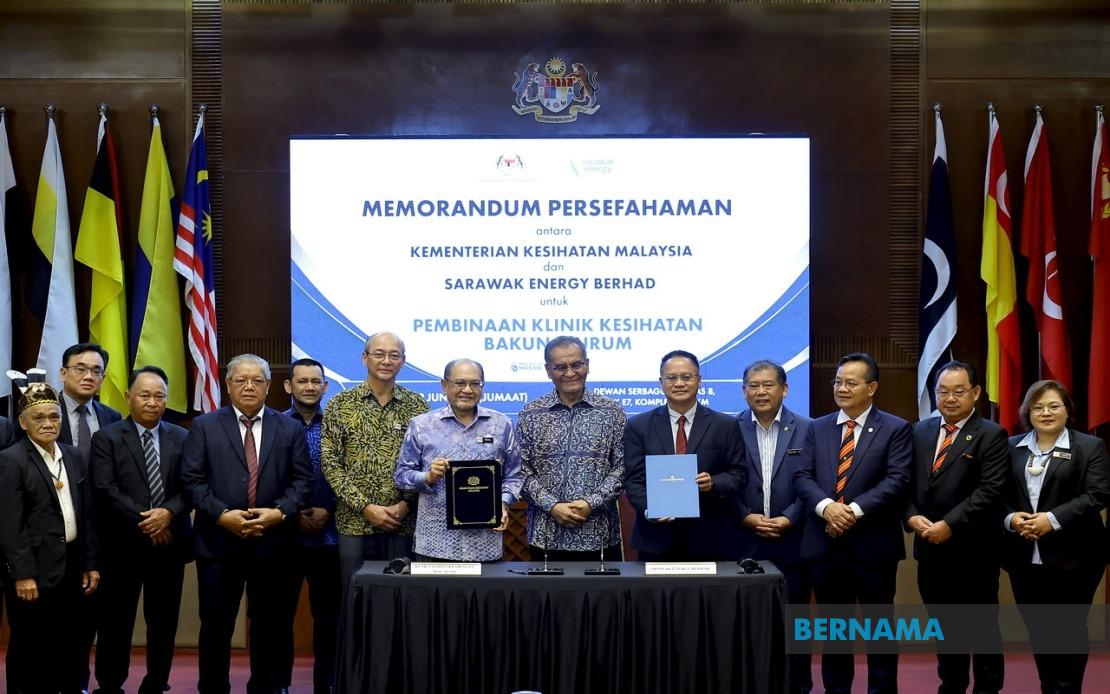
The Malaysian Health Ministry has reached a critical juncture in dismantling institutional barriers that have constrained the development of medical specialists, signalling an acceleration in efforts to resolve a critical workforce gap affecting the nation's healthcare delivery. Health Minister Datuk Seri Dr Dzulkefly Ahmad disclosed that multiple bottlenecks impeding specialist training pathways have been identified and are undergoing resolution, though he acknowledged the complexity of overcoming entrenched bureaucratic processes that have contributed to Malaysia's estimated shortfall of approximately 11,000 specialists across both public and private healthcare systems.
The scale of the specialist shortage presents an urgent challenge to Malaysia's healthcare infrastructure at a time when patient demand continues to rise. This deficit affects virtually every medical discipline, from cardiology and oncology to psychiatry and neurosurgery, creating cascading pressures on existing practitioners who must extend working hours and patient loads beyond sustainable levels. The problem is not confined to government hospitals; private healthcare facilities also report recruitment difficulties, indicating a systemic undersupply of trained specialists rather than a simple distribution issue. For Malaysian patients, this translates into extended waiting times for specialist consultations, delayed diagnoses, and reduced capacity for complex procedures that require highly trained medical professionals.
Dr Dzulkefly's confirmation that the ministry operates with concrete plans to expand the specialist workforce offers some reassurance to a healthcare system under mounting strain. However, his emphasis on phased implementation rather than rapid expansion reflects pragmatic recognition of the constraints inherent in medical education and professional development. Producing a medical specialist typically requires ten to fifteen years of training following secondary education, encompassing undergraduate medicine, postgraduate qualification, and clinical specialisation. This extended timeline means that workforce shortages cannot be remedied through emergency measures but require strategic, long-term planning that anticipates future healthcare needs while building sustainable training infrastructure.
Crucially, the ministry's approach links specialist workforce expansion directly to infrastructure development, rejecting the notion that training alone can solve the shortage. This integration is essential because deploying additional specialists without corresponding growth in hospital facilities, diagnostic equipment, and support services would merely redistribute existing constraints rather than alleviate them. The synchronisation strategy acknowledges that each specialist appointment typically requires supporting facilities—operating theatres, intensive care units, imaging departments, laboratory capacity—and that haphazard expansion could create bottlenecks elsewhere in the healthcare system. For Malaysian states with developing healthcare infrastructure, this phased coordination ensures that investments in specialist training align with broader capital expenditure on hospital upgrading and expansion.
While longer-term reforms progress through final bureaucratic stages, the ministry has deployed an interim cluster crisis management system to mitigate immediate workforce pressures. This approach involves coordinated deployment of healthcare personnel across hospital networks within defined geographic regions, allowing hospitals facing acute staffing challenges to draw upon resources from neighbouring facilities. Personnel reorganisation and redeployment mechanisms embedded within this system provide operational flexibility, enabling the ministry to respond dynamically to fluctuating demand patterns and unexpected gaps. For patients in areas covered by these cluster systems, the arrangement theoretically ensures that specialist services remain accessible even when individual hospitals experience temporary staffing difficulties.
The practical limitations of the cluster approach warrant consideration, however. While clustering can redistribute existing specialists more efficiently, it does not increase the absolute number of qualified professionals available. A specialist mobilised to another hospital must vacate their original position, potentially creating deficiencies elsewhere unless supported by additional staffing. Healthcare workers navigating frequent redeployment and extended work hours across multiple sites face burnout risks, potentially driving experienced specialists toward private practice or overseas opportunities. The interim nature of cluster management also means that reliance on this mechanism for an extended period could entrench workforce instability rather than resolve underlying shortages.
The bottlenecks that Dr Dzulkefly referenced but did not elaborate upon likely encompass multiple dimensions. Training capacity constraints may include limitations in postgraduate medical education positions, inadequate mentorship resources, and insufficient infrastructure at teaching hospitals to accommodate expanding cohorts of trainees. Regulatory and credentialing obstacles could involve lengthy specialist recognition processes for internationally trained doctors or outdated qualification frameworks that do not align with contemporary medical practice. Career progression pathways may offer insufficient incentives for high-performing medical graduates to pursue specialisation rather than general practice or emigration. Addressing these multifaceted barriers requires coordinated reform spanning education, regulation, industrial relations, and resource allocation—complexity that explains why resolution remains in final stages rather than complete.
Regional context amplifies the urgency of Malaysia's specialist shortage. Southeast Asian nations compete for limited pools of medical talent, with Singapore, Thailand, and other regional neighbours offering competitive salaries and career opportunities that can lure Malaysian-trained specialists across borders. Brain drain of medical professionals represents a significant economic loss and compounds domestic shortages. Malaysian healthcare providers must therefore not only train more specialists but also create attractive professional environments that retain them. This consideration extends to work-life balance, continuing professional development opportunities, research facilities, and respect for professional autonomy—factors beyond simple salary considerations that influence specialists' career decisions.
The Bakun-Murum Health Clinic initiative, contextualised by the MoU signing between the Health Ministry and Sarawak Energy, exemplifies the infrastructure integration approach. Expanding healthcare facilities in underserved regions addresses geographic disparities in specialist availability and demonstrates commitment to equitable service distribution. However, establishing clinics and facilities only generates demand for specialists; conversion of infrastructure into functional specialist services requires trained personnel willing to work in those locations. Rural and semi-remote healthcare facilities have historically experienced greater difficulty attracting and retaining specialists, necessitating targeted incentive schemes or contractual arrangements to ensure adequate staffing.
For Malaysian patients and healthcare stakeholders, the timeline for resolving bureaucratic obstacles remains uncertain. While Dr Dzulkefly's confident tone suggests genuine progress, the phrase "final stages" is ambiguous and could span months or years. The complexity of healthcare workforce development means that even completed reforms may require subsequent years to yield measurable improvements in specialist availability. Patient advocacy groups and healthcare worker unions will likely scrutinise the implementation of promised changes and demand transparency regarding specific bottlenecks being addressed and projected timelines for measurable workforce increases.
Looking forward, the success of the ministry's reform agenda depends upon comprehensive action addressing training, regulation, infrastructure, and retention simultaneously. Partial measures targeting isolated constraints may produce disappointing results if other barriers remain unaddressed. The government's demonstrated willingness to tackle this issue at ministerial level suggests political commitment, but converting that commitment into sustained implementation across multiple government agencies and departments presents an ongoing challenge. Healthcare professionals and patient communities will ultimately judge progress by tangible improvements in specialist availability and reduced waiting times for specialist services.
The Health Ministry's acknowledgement of specialist shortage and active engagement in resolving contributing factors represents an important first step, yet Malaysian healthcare system stakeholders should remain engaged in monitoring implementation. The interim cluster management system, while useful, cannot indefinitely substitute for addressing fundamental workforce supply challenges. Only through resolving the bureaucratic and structural obstacles now in final stages of review can Malaysia build a specialist workforce adequate to meet contemporary and projected healthcare demands. The resolution of these issues will significantly influence healthcare quality and accessibility for all Malaysians in coming years.

